Crypt
Belgrade, Serbia
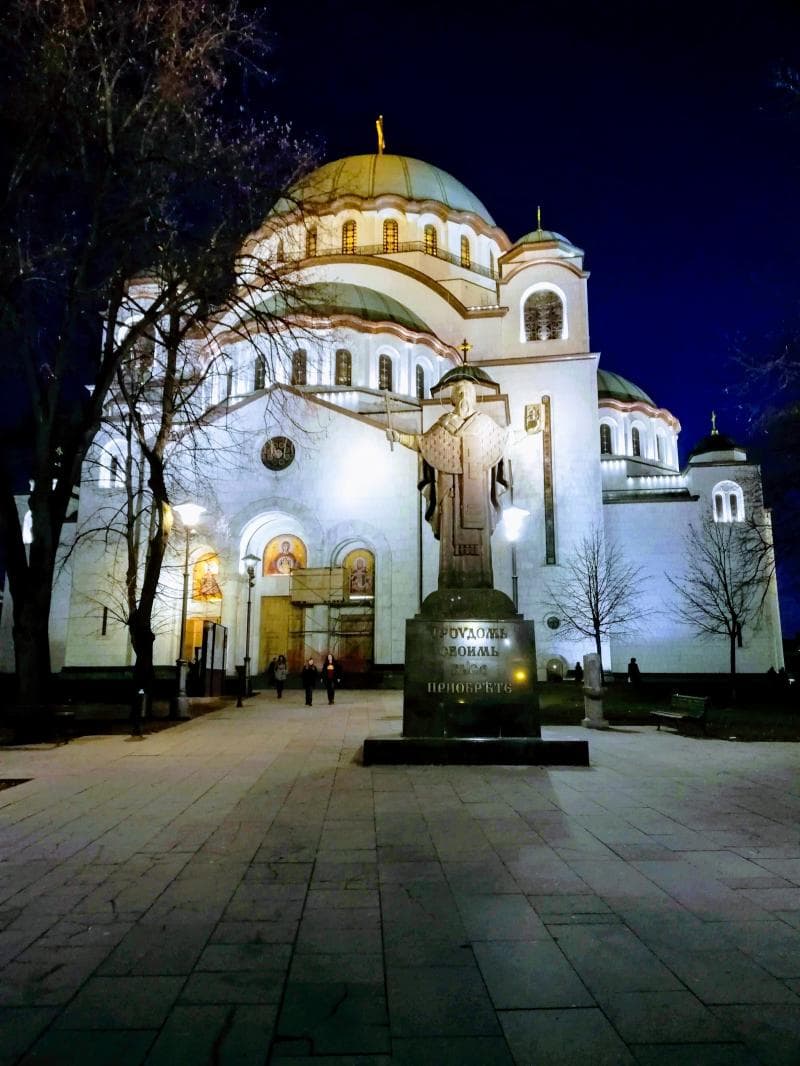
Explore the Crypt of Saint Sava Church in Belgrade, Serbia. Discover its Byzantine art, mosaics, and spiritual significance as a burial place for patriarchs.
Overview
Deep beneath the awe-inspiring Church of Saint Sava in Belgrade, Serbia, lies a hidden gem of spiritual and artistic significance: the Crypt. Officially known as the Church of Saint Prince Lazar and the Serbian New Martyrs, this underground sanctuary is more than just a basement; it is a meticulously crafted space that serves as a burial place, a treasury, and a vibrant cultural hub. Accessible by marble stairs, the Crypt offers a profound experience distinct from the grandeur of the main church above, inviting visitors into a world rich with Byzantine artistry and Serbian Orthodox heritage.
History & Cultural Background
The Crypt's construction was a significant undertaking, completed in 2015, making it a relatively recent addition to the long history of the Church of Saint Sava. While the colossal main temple was still under construction for decades, the Crypt served as a functional place of worship and gathering. Its dedication to Saint Prince Lazar and the Serbian New Martyrs firmly roots it in the profound historical and spiritual narrative of Serbia. Prince Lazar Hrebeljanović is a central figure in Serbian history and religious identity, revered for his martyrdom in the Battle of Kosovo in 1389. The Crypt thus stands as a solemn tribute to those who sacrificed for their faith and nation, embodying a continuous thread of Serbian Orthodox spirituality.
What Makes It Special
What truly sets the Crypt apart is its breathtaking interior decoration. Every surface, from the ceiling to the walls, is adorned with elaborate mosaics, frescoes, and relief art, all executed in a rich Byzantine style. Images of apostles, martyrs, and saints gaze down from the ceilings, with intricate gold leaf filling the intervening spaces, creating an atmosphere of ethereal beauty. The walls are covered with vibrant Serbian religious iconography, contributing to an overwhelming sense of devotion and artistry. The Crypt also functions as the designated burial place for Serbian patriarchs, and currently houses the resting place of Patriarch Irinej, lending it immense sanctity and importance within the Serbian Orthodox Church. Beyond its sacred functions, this expansive underground area, spanning 1,800 square meters, is regularly utilized for exhibitions, lectures, and cultural events, making it a dynamic space for spiritual and community engagement.
Stories, Fun Facts & Local Details
One fascinating detail about the Crypt's artistic embellishment is that its mosaics were completed earlier than those in the main church above and feature a somewhat different, perhaps more intimate, palette of colors. This offers a unique visual contrast and a progression in artistic expression within the same grand edifice. The impressive acoustics of the Crypt have also made it a sought-after venue for musical performances, particularly choir concerts, where the sacred music resonates powerfully within its ornate chambers, creating a truly unforgettable experience for listeners. The sheer scale of the mosaic work, combined with the detailed relief art and marble, tells stories of faith and endurance, inviting contemplation on the rich tapestry of Serbian history and Orthodoxy. Visitors often find themselves drawn to its artistic richness and spiritual atmosphere, making it one of the most popular areas to explore within the Church of Saint Sava.
Visitor Perspective
Stepping into the Crypt of Saint Sava is a journey into an atmosphere of reverence and quiet awe. The transition from the monumental exterior and vast nave of the main church to the intimate, yet expansive, underground space is striking. As you descend the marble steps, the air shifts, becoming cooler and more hushed. The golden glow emanating from the mosaics and the serene expressions on the faces of the depicted saints create an almost otherworldly ambiance. It's a place for quiet reflection, offering a moment of peace away from the bustle of the city. Whether you are a devotee of Orthodox Christianity, an art enthusiast, or simply a curious traveler, the Crypt provides a powerful and moving experience, revealing another layer of the Church of Saint Sava's profound spiritual and cultural significance in Belgrade.
Coordinates: 20.4685389, 44.79806
View on Google Maps💬 How Travelers Describe This Place
Based on community votes
Interesting
915Must See
211Unique
123Beautiful
74Photogenic
53
Traveler Stories
Discover memorable experiences shared by travelers who have visited this place.
No traveler stories yet.
Be the first traveler to share what made this place memorable.

Tour
By
Spot
Discover amazing places around the world. Your journey starts here.
Explore
© 2026 TourBySpot. All rights reserved.