Chorsu Bazaar
Tashkent, Uzbekistan
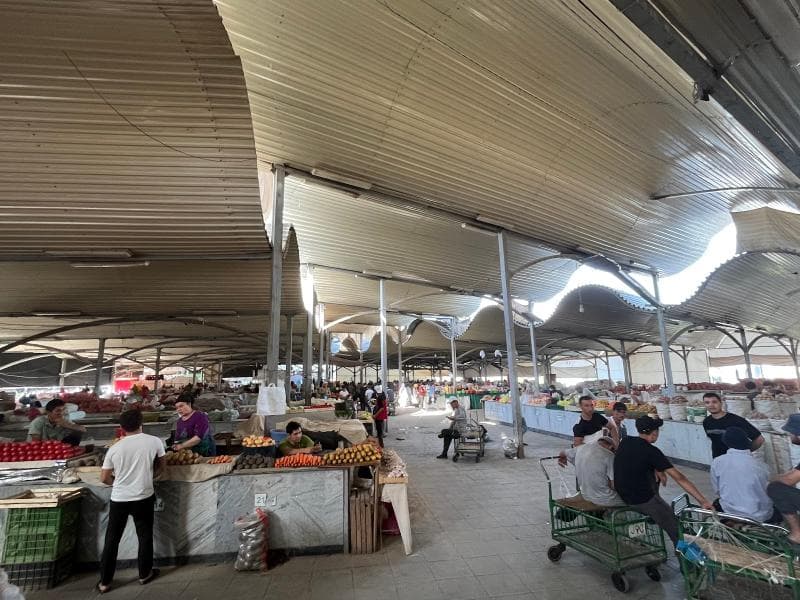
Explore Chorsu Bazaar, Tashkent, Uzbekistan's historic Silk Road market. Discover its iconic blue dome, vibrant local life, exotic spices, and traditional crafts.
Overview
Chorsu Bazaar, nestled in the heart of Tashkent's Old City, is far more than just a marketplace; it is a vibrant, living connection to Uzbekistan's rich past and bustling present. This historic bazaar is one of Central Asia's largest and oldest, a vibrant testament to centuries of trade and culture that once thrived along the ancient Silk Road. With its iconic turquoise dome rising majestically against the Tashkent skyline, Chorsu Bazaar stands as a symbol of the city's enduring spirit and a captivating window into authentic Uzbek daily life. It's a place where tradition meets modernity, offering a sensory feast to anyone who steps under its grand arches.
History & Cultural Background
The roots of Chorsu Bazaar stretch back over two millennia, establishing it as one of Central Asia's oldest continuously operating markets. Historically, it served as a crucial hub along the ancient Silk Road, facilitating the exchange of goods like silk, spices, ceramics, and textiles between merchants from Asia, the Middle East, and Europe. The name 'Chorsu' itself, derived from Persian, translates to 'four ways' or 'crossroads', aptly reflecting its strategic position at the intersection of major trade routes. For centuries, it was not merely a commercial center but also a dynamic meeting point where diverse cultures, languages, and traditions converged.
While much of the original structure has evolved over time, echoes of its long legacy remain, with nearby historical landmarks such as the Kukeldash Madrasah and Juma Mosque dating back to the 16th century. The current, distinctive blue-domed pavilion, a hallmark of the bazaar, was largely reconstructed in the 1970s and 1980s, following a devastating earthquake in 1966 that reshaped much of Tashkent. This architectural marvel blends Soviet-era modernism with traditional Uzbek motifs, featuring intricate tilework and a spacious interior that shelters vendors and shoppers alike from the elements. This synthesis of styles led to its recognition as a fine example of Tashkent modernism.
What Makes It Special
Chorsu Bazaar is renowned for its striking architectural design, most notably its monumental central dome, which can reach approximately 80 meters in diameter and is surrounded by seven smaller domes, all adorned with bright blue and azure ceramics. This impressive structure is not just aesthetically pleasing but also functional, designed to protect visitors from the summer heat and winter cold. Inside, the ground floor features stalls arranged in concentric circles, while a second-level terrace offers even more vendors, creating a vibrant, multi-level trading space.
Beyond its central dome, the bazaar sprawls into bustling corridors and open-air sections, each specializing in a myriad of goods. Here, you'll discover fragrant spices, an abundance of fresh fruits and vegetables, delicious dried fruits and nuts, and the renowned Uzbek flatbread, 'lepeshka'. The handicrafts section is a treasure trove of local artistry, showcasing embroidered textiles, pottery, jewelry, traditional musical instruments, and colorful carpets. Chorsu is not merely a place for transactions; it is a 'city within a city', a vibrant ecosystem where everyday life unfolds with a unique blend of energy and tradition.
Stories, Fun Facts & Local Details
A visit to Chorsu Bazaar is a profound sensory experience. The air is alive with a symphony of sounds – vendors calling out, shoppers bargaining, and the warm greetings of 'Assalomu alaykum'. The delightful aromas of freshly baked bread, aromatic spices, and sizzling shashlyk fill the atmosphere, inviting you to explore further. Bargaining is an integral part of the Chorsu experience and a time-honored tradition in Central Asia; many vendors are open to negotiation, making the shopping process a culturally engaging interaction.
Food lovers will find paradise here, with opportunities to sample authentic Uzbek cuisine such as 'plov' (rice dish), 'samsa' (savory pastries), 'shashlyk' (grilled skewers), and 'lagman' (noodles). Don't miss the chance to try local dairy products like 'qurut', small dry balls of suzma. Observing grandmothers haggling over peppers or bakers pulling hot bread from traditional ovens offers a genuine glimpse into the soul of Tashkent. The bazaar's proximity to ancient sites like Kukeldash Madrasah and Juma Mosque further immerses visitors in the historical narrative of the Old City.
Visitor Perspective
For travelers keen to immerse themselves in Uzbek culture, Chorsu Bazaar is an essential stop. It operates year-round, but the cooler seasons of spring and autumn are often recommended for a more comfortable visit. The market typically opens early morning and remains active until late afternoon or early evening, with the morning hours generally being the liveliest. Plan to set aside at least two to three hours to truly absorb its unique atmosphere, although a dedicated connoisseur of oriental markets could easily spend half a day or more.
Accessing Chorsu Bazaar is straightforward, with the most convenient method being the Tashkent Metro; the 'Chorsu' station on the Uzbekistan (blue) line is located almost directly at the market's entrance. While exploring, remember to practice cultural etiquette: dress modestly, ask permission before photographing vendors, and refrain from touching produce unless you intend to buy it. Chorsu Bazaar is not just a place to shop, but a profound opportunity to connect with the authentic rhythm of daily life and the enduring spirit of Tashkent.
Coordinates: 69.23454, 41.32581
View on Google Maps💬 How Travelers Describe This Place
Based on community votes
Must See
958Unique
728Interesting
481Beautiful
382Photogenic
183
Traveler Stories
Discover memorable experiences shared by travelers who have visited this place.
No traveler stories yet.
Be the first traveler to share what made this place memorable.
Things to see at Chorsu Bazaar



Tour
By
Spot
Discover amazing places around the world. Your journey starts here.
Explore
© 2026 TourBySpot. All rights reserved.