Outdoor Vendors
Tashkent, Uzbekistan
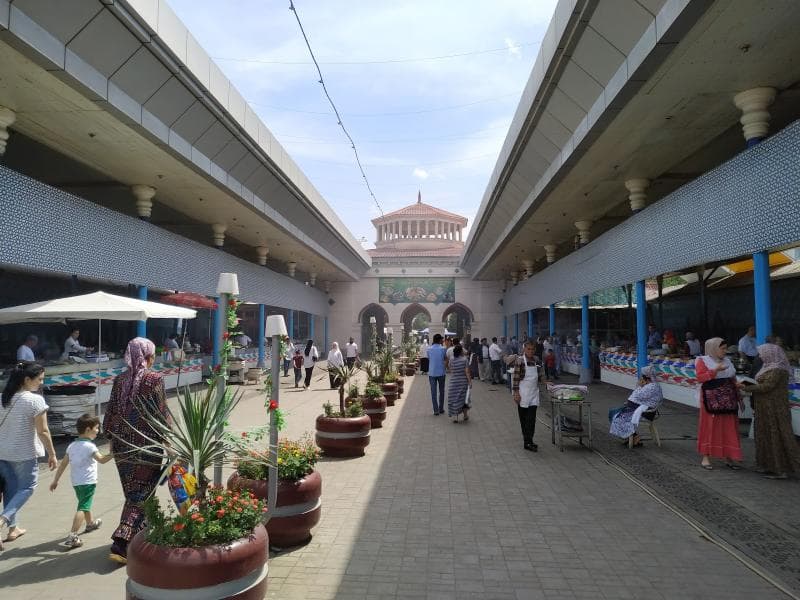
Explore the vibrant outdoor vendors at Chorsu Bazaar in Tashkent, Uzbekistan. Discover traditional crafts, street food, and immerse yourself in local culture.
Overview
Stepping into the outdoor vendor areas of Chorsu Bazaar in Tashkent, Uzbekistan, is to immerse oneself in a living, breathing tapestry of Central Asian life. While the iconic turquoise dome houses a structured marketplace, the true heart of this ancient trading hub spills beyond its walls, transforming the surrounding streets into a vibrant, colorful, and sometimes chaotic open-air spectacle. Here, the traditions of the Silk Road meet modern Uzbek daily life, offering a profound sensory experience far beyond a simple shopping trip. It is a place where every corner reveals new sights, sounds, and aromas, inviting curious travelers to delve deeper into the local culture.
This sprawling outdoor section is where the everyday rhythm of Tashkent truly comes alive. From bustling street food stalls to rows of artisan workshops, the outdoor vendors offer everything from fresh seasonal produce and traditional crafts to clothing and household goods. It is a microcosm of Uzbek society, a place where generations-old practices continue alongside the ebb and flow of contemporary commerce, all under the vast Central Asian sky.
History & Cultural Background
Chorsu Bazaar's roots stretch back over two millennia, establishing it as one of Central Asia's oldest continuously operating markets and an essential stop along the ancient Silk Road. Its name, 'Chorsu,' derived from Persian, means 'four ways' or 'crossroads,' aptly reflecting its historical significance as a meeting point for merchants and cultures from East and West.
For centuries, Chorsu was more than just a place of trade; it was a vibrant center of cultural exchange where ideas, technologies, and customs merged. While the modern blue-domed structure was built in 1980 by Soviet architects, the spirit of the ancient bazaar, with its bustling outdoor sections, has endured. This area, located in Tashkent's Old City, continues to echo the rich history of the Islamic Golden Age, surrounded by historical landmarks like the Kukaldosh Madrasah and Juma Mosque, some dating back to the 16th century. The outdoor vendors uphold a legacy that predates written records, keeping traditions alive through their daily interactions and the goods they offer.
What Makes It Special
The outdoor vendor sections of Chorsu Bazaar are special because they represent the authentic, unfiltered pulse of Uzbek life. Unlike the more organized indoor sections, the outdoor market is an organic extension, a dynamic maze where the unexpected delights the senses. It is here that one can witness grandmothers haggling over peppers, bakers announcing freshly baked bread, and spice vendors meticulously mixing custom blends, showcasing the soul of Tashkent.
Beyond the vibrant array of goods, the outdoor market is a cultural performance in itself. Street food stalls, often affectionately known as 'Glutton's Row,' sizzle with traditional Uzbek dishes like plov, samsa, shashlik, and khanum, prepared in huge cauldrons and clay ovens. These outdoor culinary experiences provide an immediate and immersive taste of local flavors. Furthermore, dedicated artisan aisles showcase handcrafted items such as hand-painted ceramics, embroidered suzani textiles, traditional knives, copperware, and handwoven carpets, connecting visitors directly to Uzbekistan's rich artisanal heritage. The sheer variety and the lively interactions between vendors and shoppers make this outdoor area a unique and unforgettable experience.
Stories, Fun Facts & Local Details
Bargaining is a time-honored tradition at Chorsu Bazaar. While some sellers in modern times might be less inclined, especially if paying for their stalls, starting the negotiation is still customary and part of the cultural experience. It is not merely about getting a lower price but about engaging in a friendly exchange, a small dance that has been perfected over centuries of Asian trade.
A fun fact for early risers: arriving an hour after sunrise means vendors are often friendlier, the light is warmer for photographs, and the crowds haven't fully formed. This allows for a more relaxed and authentic interaction, catching the market at its most honest. You might see herb sellers carefully arranging mint and dill, or men in skullcaps discussing the quality of spices.
The outdoor market reveals fascinating ethnographic details about the local people – what they wear, eat, and how they interact. You'll find sections dedicated to traditional Uzbek clothing, including colorful chapan robes, khan-atlas satin dresses, and intricate tubeteika skullcaps, each with its own regional significance and meaning. Observing these details offers a deeper understanding of Uzbek traditions and identity.
Visitor Perspective
For a curious traveler, the outdoor vendor areas of Chorsu Bazaar offer an unparalleled opportunity to connect with the authentic rhythm of Tashkent. It is a place to wander, to get a little lost in the 'higgledy-piggledy maze' of stalls, and to simply observe. The vibrancy is palpable, with vendors' calls, the aroma of spices and fresh bread, and the colorful displays of goods creating a multi-sensory feast.
It is recommended to arrive with an empty stomach to fully enjoy the street food offerings and to be prepared for the friendly, albeit sometimes persistent, vendors who often offer samples. This is a place where interaction is key; asking questions, trying local delicacies, and engaging with artisans can transform a simple visit into a rich cultural encounter. The outdoor market provides not just souvenirs but memories, an insight into the soul of Tashkent that resonates long after you've left.
Coordinates: 69.24259, 41.32617
View on Google Maps💬 How Travelers Describe This Place
Based on community votes
Beautiful
910Must See
755Interesting
658Photogenic
589Unique
374
Traveler Stories
Discover memorable experiences shared by travelers who have visited this place.
No traveler stories yet.
Be the first traveler to share what made this place memorable.

Tour
By
Spot
Discover amazing places around the world. Your journey starts here.
Explore
© 2026 TourBySpot. All rights reserved.