Meat Hall
Tashkent, Uzbekistan
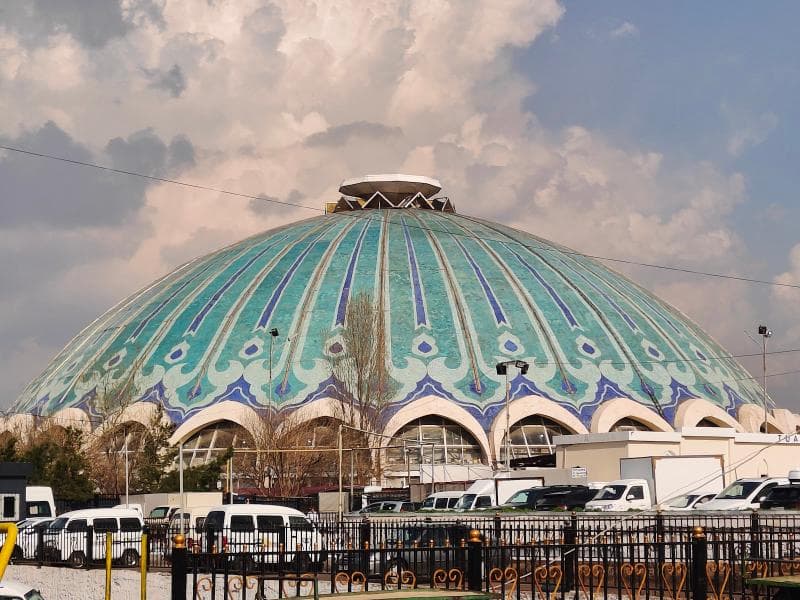
Explore the vibrant Meat Hall inside Chorsu Bazaar in Tashkent, Uzbekistan. Discover traditional cuts, local delicacies, and the authentic pulse of Uzbek culinary culture.
Overview
Deep within the iconic blue-domed heart of Chorsu Bazaar in Tashkent, Uzbekistan, lies a vibrant and bustling section often referred to as the Meat Hall. This isn't just a place to buy meat; it is a sensory spectacle and a vital cornerstone of daily Uzbek life. As one of the main food sections under the massive central dome, the Meat Hall offers a glimpse into traditional Central Asian commerce, where rows upon rows of fresh, locally sourced meats are displayed with a pride that speaks volumes about the region's culinary traditions. The air hums with activity, filled with the sounds of cleavers hitting butcher blocks and the chatter of vendors and shoppers, creating an immersive experience that transports visitors straight into the authentic pulse of Tashkent.
History & Cultural Background
The history of Chorsu Bazaar itself, dating back over two millennia, is intrinsically linked to the ancient Silk Road, positioning it as a pivotal crossroads for trade and cultural exchange for centuries. While the current iconic blue dome structure, which houses the Meat Hall, was constructed in the 1980s as a notable example of Soviet modernism, it stands on the foundations of markets that have thrived here for ages. The name 'Chorsu,' meaning 'four paths' in Persian, aptly reflects its historical significance as a meeting point for various caravan routes. The Meat Hall, as a continuous iteration of this ancient trading tradition, showcases the enduring importance of fresh produce and particularly, meat, in Uzbek culture and cuisine. It represents a living legacy where centuries-old practices of butchery and communal shopping persist.
What Makes It Special
What truly sets the Meat Hall apart is its unparalleled scale and the sheer variety of fresh, often whole, cuts of meat available. Visitors are greeted by extensive displays of beef, lamb, and chicken, alongside unique local delicacies such as 'kazy,' a traditional horse meat sausage. The robust presence of horse meat reflects the culinary influences of neighboring Kyrgyzstan and Kazakhstan, where it's a cherished ingredient. You might also find vendors selling nothing but pure animal fat, used extensively in Uzbek cooking, highlighting a philosophy of using every part of the animal. Unlike a sterile modern supermarket, the Meat Hall engages all the senses: the visual spectacle of the meticulously arranged cuts, the distinct aromas, and the lively atmosphere created by the butchers expertly wielding their cleavers. It's a place where the preparation of food is an open and engaging process.
Stories, Fun Facts & Local Details
For many Tashkent residents, the Meat Hall is where they procure their weekly meat supply, a testament to its integral role in the local food system. The tradition of using fresh ingredients is paramount, and the quality of meat found here is often considered superior for preparing beloved Uzbek dishes. A fun fact for first-time visitors is the sight of products like sheep's heads or even horse hooves on display, which can be an 'extreme' but fascinating insight into the local diet and culinary practices where nose-to-tail eating is common. Being a Muslim country, pork is not sold, with beef, sheep, lamb, and horse meat forming the staples. The interaction with the butchers, often friendly and willing to chat, adds another layer to the experience, offering a glimpse into the everyday lives and hospitality of the Uzbek people. This bustling marketplace is a vital artery of the city, not just for trade but also as a social hub where news is exchanged and community thrives.
Visitor Perspective
Visiting the Meat Hall is an unforgettable journey that transcends a simple shopping trip. It's an opportunity to immerse oneself in the authentic rhythms of Tashkent. Travelers often describe a sense of wonder at the vibrant displays and the sheer volume of produce. The atmosphere is boisterous and welcoming, a stark contrast to more subdued Western markets. While the smells can be intense, they are an intrinsic part of the experience, offering a genuine taste of the local culture. It is highly recommended to visit on an empty stomach, not only to fully appreciate the fresh sights and sounds but also to indulge in the prepared dishes found in nearby food stalls within the bazaar, such as 'shashlik' (grilled meat skewers) or 'naryn' (a horse meat and pasta dish). The Meat Hall provides a rare, unfiltered look into the heart of Uzbek culinary traditions and the enduring legacy of Central Asian bazaars.
Coordinates: 69.23454, 41.32617
View on Google Maps💬 How Travelers Describe This Place
Based on community votes
Beautiful
670Must See
655Interesting
594Unique
166Photogenic
83
Traveler Stories
Discover memorable experiences shared by travelers who have visited this place.
No traveler stories yet.
Be the first traveler to share what made this place memorable.

Tour
By
Spot
Discover amazing places around the world. Your journey starts here.
Explore
© 2026 TourBySpot. All rights reserved.