Charlottenburg Palace
Berlin, Germany
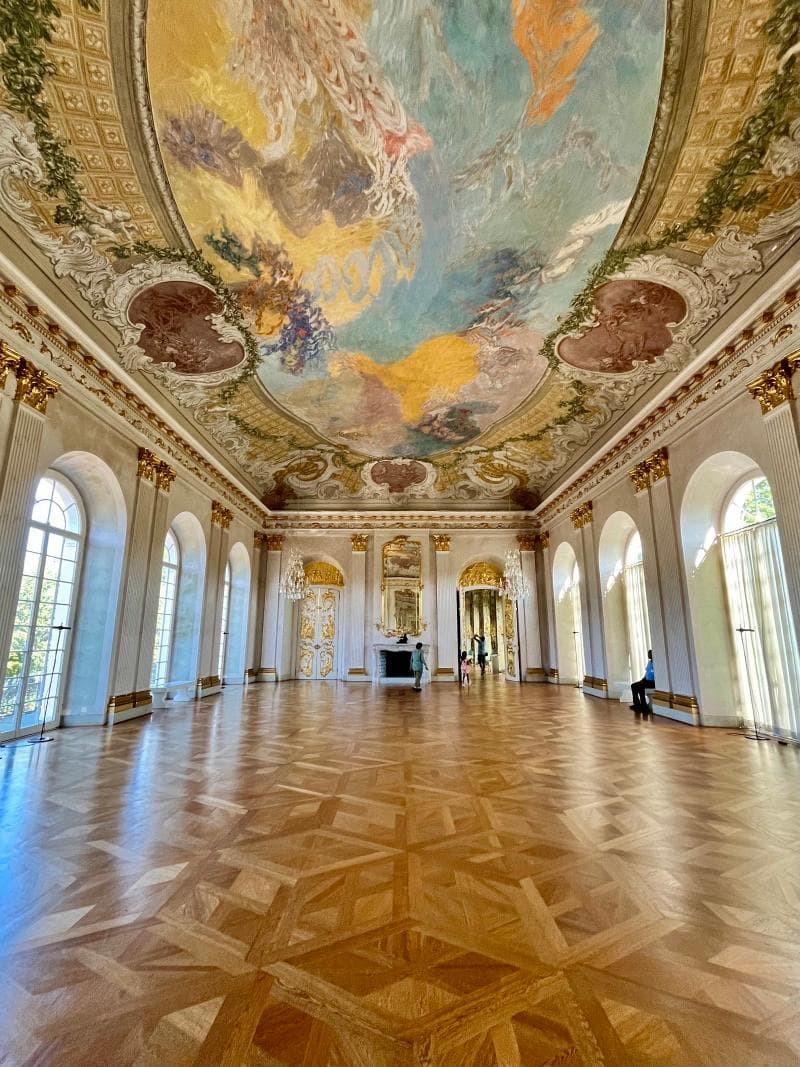
Discover Charlottenburg Palace in Berlin, Germany. Explore Baroque and Rococo architecture, royal apartments, vast gardens, and Prussian history.
Overview
Charlottenburg Palace, nestled in Berlin, Germany, stands as the city's largest and most significant palace complex. This architectural marvel showcases a blend of Baroque and Rococo styles, reflecting centuries of royal grandeur and changing artistic preferences. Initially conceived as a humble summer residence, the palace evolved into a sprawling estate comprising the magnificent Old Palace, the elegant New Wing, and extensive, breathtaking gardens. These gardens themselves are a testament to diverse landscape design, featuring both formal Baroque parterres and more natural English-style sections, dotted with captivating structures such as the Belvedere, the Mausoleum, and the New Pavilion.
Today, Charlottenburg Palace is not just a historical landmark but a vibrant museum that invites visitors to step back in time. It offers a unique glimpse into the lives of the Brandenburg electors and Prussian kings who once called this splendid abode home, providing a serene escape from Berlin's urban bustle.
History & Cultural Background
The story of Charlottenburg Palace began in 1695 when Sophie Charlotte, wife of Frederick III, Elector of Brandenburg (who later became Frederick I, King in Prussia), commissioned its construction. Designed by Johann Arnold Nering in the Baroque style, the palace was initially known as Lietzenburg Palace. Tragically, Nering passed away during its construction, with Martin Grünberg and Andreas Schlüter completing the initial phase. The palace was inaugurated on July 11, 1699.
Following her death in 1705, the palace and the surrounding area were renamed Charlottenburg in Sophie Charlotte's honor. Over the 18th century, particularly under Frederick I and his grandson Frederick the Great, the palace underwent significant expansion, transforming it into the grand complex we see today. Sophie Charlotte herself was a woman of culture, a patron of the arts who hosted poets, philosophers, and musicians, earning her court the reputation of a 'court of the muses'. The palace served as a cherished retreat for seven generations of Hohenzollern rulers, each leaving their mark on its luxurious interiors.
However, history also brought destruction. Charlottenburg Palace suffered extensive damage during the Second World War. Remarkable reconstruction efforts, beginning in the 1950s, meticulously restored much of its former glory, allowing future generations to experience its historical splendor.
What Makes It Special
Charlottenburg Palace distinguishes itself as Berlin's largest royal estate and a leading example of Prussian royal architecture. Its beauty lies in the intricate details and the sheer scale of its design, showcasing the evolution of European aristocratic taste from opulent Baroque to elegant Rococo.
Inside the Old Palace, visitors are often captivated by the Porcelain Cabinet, a room adorned from floor to ceiling with thousands of exquisite blue-and-white porcelain objects, creating a dazzling visual effect. The New Wing, built for Frederick the Great, is equally impressive, housing his lavish Rococo State Apartments, including the breathtaking Golden Gallery. Beyond the palace walls, the sprawling 55-hectare gardens are a work of art in themselves, featuring a harmonious blend of formal French Baroque elements, designed by Siméon Godeau (a student of Versailles' André Le Nôtre), and later English landscape garden additions. Within these picturesque grounds stand architectural gems such as the Belvedere, which today houses a precious collection of Berlin porcelain, notably from the Royal Porcelain Manufactory (KPM). Another significant structure is the neoclassical Mausoleum, the final resting place of Queen Louise and other Hohenzollern family members.
The palace also boasts impressive art collections, including one of the most extensive collections of 18th-century French paintings outside of France, displayed in the New Wing. Furthermore, the Hohenzollern silver chamber exhibits a remarkable collection of historical tableware, gold, silver, glass, and porcelain, alongside Frederick the Great's famous tabatières (snuffboxes), offering a sparkling insight into court life.
Stories, Fun Facts & Local Details
Charlottenburg Palace holds many fascinating stories within its ornate walls and expansive gardens. Did you know that Queen Sophie Charlotte, for whom the palace is named, found the dusty carriage rides into Berlin quite disagreeable? Instead, she preferred to travel by boat along the lake and canals connected to the city, making her journeys much more serene. The magnificent gilded statue of Fortuna, perched atop the central dome, not only adds to the palace's splendor but also serves as a functional wind vane, silently turning with the Berlin breeze.
A poignant tale surrounds Queen Louise, a beloved Prussian queen. Her untimely death in 1810 led her husband, Frederick William III, to commission the Mausoleum in her memory. She was so revered that some historians have even drawn parallels between her popularity and that of Lady Diana. The palace once proudly housed the legendary 'Amber Room,' often dubbed the 'eighth wonder of the world.' However, this breathtaking chamber was gifted to Peter the Great to strengthen ties and was tragically lost after World War II.
Today, the historic Orangery, originally used to shelter exotic citrus trees during winter, serves a new purpose as a venue for elegant concerts and cultural events, adding a musical dimension to the palace's heritage.
Visitor Perspective
A visit to Charlottenburg Palace offers a tranquil and enriching experience, providing a different, more refined side to Berlin beyond its bustling central landmarks. It's an ideal destination for those who appreciate royal history, architecture, decorative arts, and peaceful garden strolls.
To fully immerse yourself, plan to spend at least two to three hours exploring the main palace buildings and strolling through the extensive gardens. The palace gardens are freely accessible year-round, offering a serene escape, while separate tickets are required for entry to the palace interiors and individual buildings like the Belvedere, Mausoleum, and New Pavilion. For convenience, a 'charlottenburg+' ticket allows single-day access to all open buildings within the palace grounds.
The palace transforms seasonally; during winter, a popular Christmas market graces its magnificent backdrop, and the Orangery regularly hosts classical concerts. Inside, don't miss the chance to admire the intricate Porcelain Cabinet, often cited as one of Berlin's most photographed interiors. Whether you're captivated by royal history or simply seeking a beautiful green space to relax, Charlottenburg Palace promises a memorable journey through Prussian heritage.
Coordinates: 13.2957, 52.5209
View on Google Maps💬 How Travelers Describe This Place
Based on community votes
Must See
362Interesting
343Photogenic
257Beautiful
224Unique
148
Traveler Stories
Discover memorable experiences shared by travelers who have visited this place.
No traveler stories yet.
Be the first traveler to share what made this place memorable.
Things to see at Charlottenburg Palace



Tour
By
Spot
Discover amazing places around the world. Your journey starts here.
Explore
© 2026 TourBySpot. All rights reserved.