Orangery
Berlin, Germany
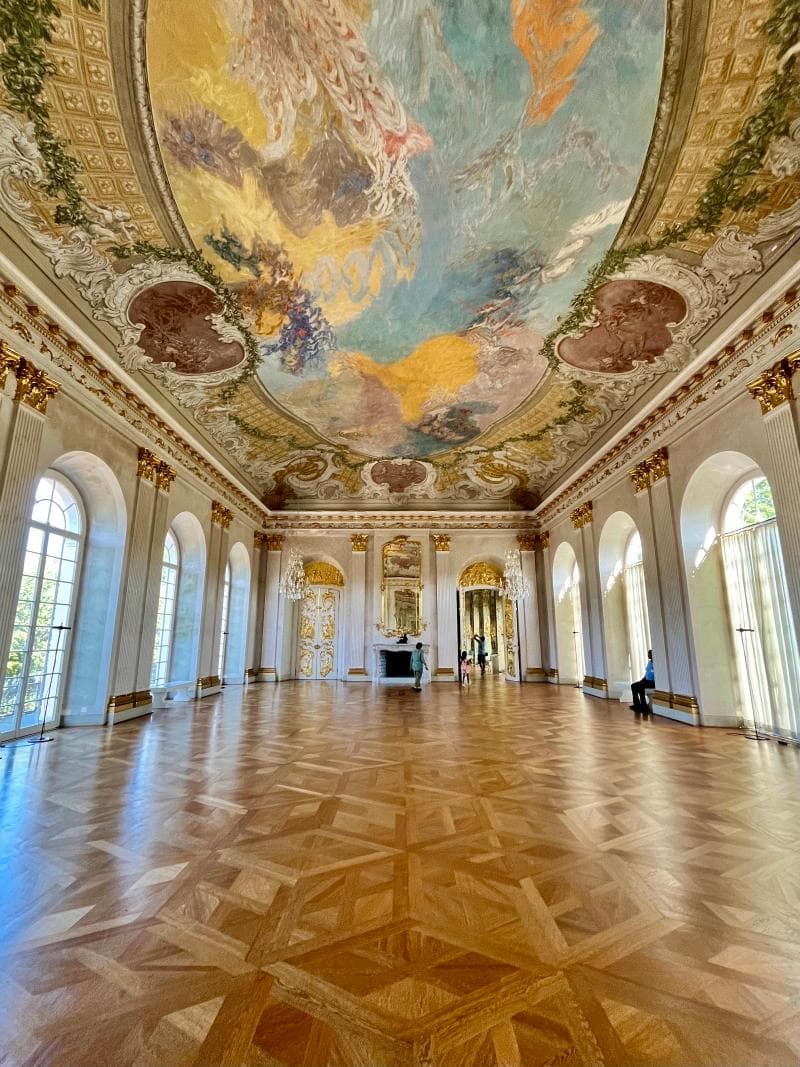
Discover the historic Orangery at Charlottenburg Palace in Berlin, Germany. Explore its Baroque beauty, royal history, and vibrant role as a cultural event venue.
Overview
Nestled within the magnificent grounds of Charlottenburg Palace in Berlin, Germany, the Orangery stands as a breathtaking example of Baroque architecture and historical grandeur. Originally conceived as a winter refuge for the royal collection of sensitive citrus trees, this grand edifice has evolved significantly over centuries. Today, it is not merely a historical relic but a vibrant cultural hub, renowned for hosting exquisite concerts, gala dinners, and special events. Its commanding presence on the western side of the palace complex, with its elongated structure and light-filled halls, offers visitors a unique blend of Prussian heritage and contemporary elegance. Despite suffering severe damage during World War II, the Orangery was meticulously reconstructed, shining once again in its original splendor.
History & Cultural Background
The Orangery at Charlottenburg Palace traces its origins back to the early 18th century. Commissioned by King Frederick I in Prussia, its construction took place between 1709 and 1712, following the sophisticated designs of the architect Johann Friedrich Eosander. Its primary function was to provide winter quarters for the royal collection of exotic plants, especially the precious orange, citrus, and sour orange trees that adorned the baroque gardens during the warmer months. These valuable plants, numbering over 500, were a symbol of royal wealth and horticultural prowess. During the summer, when the trees graced the meticulously planned garden, the Orangery transformed into a splendid setting for lavish courtly festivities and balls, echoing with music and revelry. This dual purpose—both practical greenhouse and grand celebration hall—highlights its unique cultural significance. Devastated during World War II, like much of Charlottenburg Palace, the Great Orangery underwent an extensive and careful reconstruction in the decades following, particularly in the 1950s and 1960s, to restore its former glory.
What Makes It Special
What truly sets the Charlottenburg Orangery apart is its stunning Baroque architecture combined with its adaptability to modern usage. The structure is characterized by an elongated, single-story design, with a magnificent central salon flanked by elegantly decorated side wings. The high ceilings and grand arched windows allow natural light to flood the interiors, creating an airy and opulent atmosphere that was once ideal for protecting delicate plants and is now perfect for grand events. The meticulous reconstruction efforts ensured that the building retained its historical authenticity while incorporating necessary modern amenities, creating a seamless blend of past and present. Its vast 2,000 square meter terrace, overlooking the Baroque gardens, provides an enchanting outdoor setting for open-air gatherings during the summer months, a contemporary echo of its historical role in courtly life.
Stories, Fun Facts & Local Details
Imagine a time when hundreds of fragrant orange and lemon trees were carefully wheeled into the Orangery's warm embrace for winter, their sweet scent filling the grand halls. Then, as summer arrived, these same trees would be moved outside, and the Orangery would become the stage for opulent court balls and concerts, where Prussian kings and princes once celebrated with immense splendor. Today, this tradition of cultural vibrancy continues with events like the 'Berliner Residenz Orchester' performing classical music in period costumes, offering visitors a vivid journey back to the Baroque era. A fun detail is how the building, originally a purely functional structure for plants, became a symbol of prestige and a backdrop for lavish entertainment, demonstrating the intricate connection between utility and luxury in royal life. The fact that it was painstakingly rebuilt after the war, piece by piece, reflects a deep commitment to preserving Berlin's cultural heritage.
Visitor Perspective
Visiting the Charlottenburg Orangery offers a profound connection to Berlin's royal past, far beyond a typical museum experience. As a guest at one of its many cultural events, perhaps a classical concert or a gala dinner, you are not just observing history; you are stepping into it. The majestic Baroque setting, with its high stuccoed ceilings and checkerboard floors, envelops you in an atmosphere of timeless elegance. The ambiance, particularly during an evening performance with the Berliner Residenz Orchester in historical costumes, is transportive, evoking the grandeur of former royal celebrations. It provides an opportunity to experience the palace grounds in a more intimate and festive way, away from the bustling central Berlin sights, offering a quieter yet profoundly rich cultural immersion. It's a chance to appreciate the architectural beauty and the stories embedded within its walls, making it a truly memorable highlight of any visit to Charlottenburg Palace.
Coordinates: 13.294439, 52.520138
View on Google Maps💬 How Travelers Describe This Place
Based on community votes
Photogenic
794Must See
636Unique
466Interesting
155Beautiful
134
Traveler Stories
Discover memorable experiences shared by travelers who have visited this place.
No traveler stories yet.
Be the first traveler to share what made this place memorable.

Tour
By
Spot
Discover amazing places around the world. Your journey starts here.
Explore
© 2026 TourBySpot. All rights reserved.