Palace Gardens
Berlin, Germany
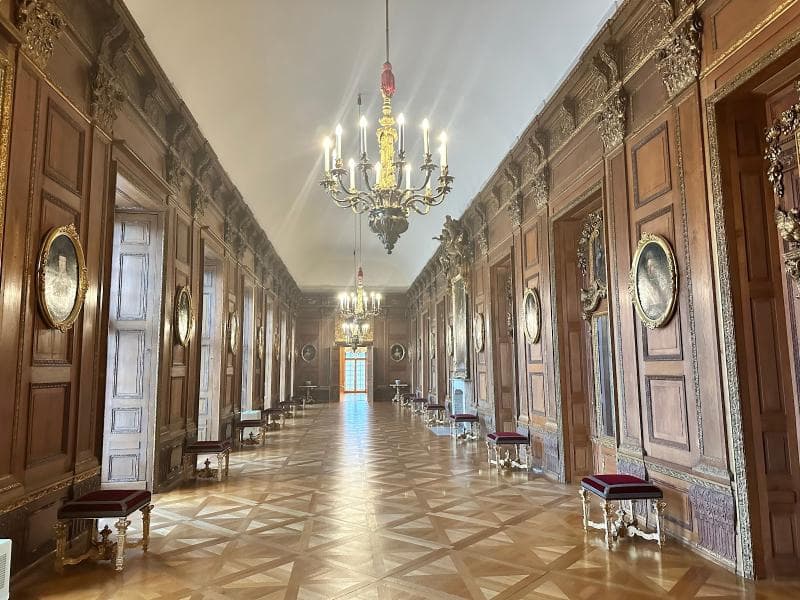
Explore the stunning Charlottenburg Palace Gardens in Berlin, Germany. Discover baroque parterres, English landscapes, royal history, and hidden architectural gems.
Overview
Nestled in Berlin, Germany, the Palace Gardens of Charlottenburg Palace offer a magnificent green oasis that gracefully blends regal history with natural beauty. This expansive garden, covering approximately 55 hectares, is celebrated as Berlin's most exquisite baroque garden, drawing visitors from across the globe. It stands as a testament to centuries of sophisticated landscape design, merging the structured elegance of French Baroque with the picturesque charm of English landscape gardens. More than just a park, it is a serene refuge designed for both relaxation and quiet contemplation, inviting you to wander through its meticulously cared-for grounds and discover its many hidden gems.
History & Cultural Background
The story of Charlottenburg Palace Gardens begins in 1695, when Princess Sophie Charlotte, the astute and cultured wife of Elector Friedrich III (who would later become King Friedrich I of Prussia), commissioned its creation. She envisioned a grand setting for her summer residence, originally known as Lietzenburg Palace. The initial design was entrusted to Siméon Godeau, a pupil of the renowned French landscape architect André Le Nôtre, famous for his work at Versailles. This early phase saw the implementation of a strict French Baroque style, characterized by geometric patterns, a prominent central axis leading from the palace, intricate broderies – sweeping patterns crafted from boxwood and colored gravel – and features like a large carp pond and moats.
However, garden fashions evolved, and by the late 18th century, a more naturalistic English landscape style became popular. Under Frederick William II, the gardens underwent a significant redesign led by Georg Steiner, with Peter Joseph Lenné later directing the work. This transformation introduced winding paths, picturesque views, and a less formal arrangement. The 20th century brought significant challenges, as both the palace and its gardens suffered extensive damage during World War II. Despite the devastation, a monumental restoration effort, notably spearheaded by State Palaces Director Margarete Kühn, painstakingly brought much of the garden back to its former glory. The central baroque parterre was recreated, albeit with a free interpretation of the original, while other areas retained their English landscape character, reflecting the garden's diverse history.
What Makes It Special
The unique blend of two distinct garden philosophies – the formal French Baroque and the flowing English landscape style – is what truly sets Charlottenburg Palace Gardens apart. This harmonious juxtaposition creates a rich and varied experience for visitors, allowing them to traverse different eras of garden design within a single visit. The gardens are not merely green spaces but also serve as a dignified home to several historically significant buildings. These include the elegant Belvedere, a former tea house that now houses a precious porcelain collection; the solemn Mausoleum, the final resting place of the much-revered Queen Luise and other royal family members; and the New Pavilion, an exquisite structure designed in the style of a Neapolitan villa, displaying 19th-century art.
Beyond these architectural highlights, the gardens captivate with their numerous sculptures, the romantic Luiseninsel (Luise's Island), shaded alleys perfect for a leisurely stroll, and tranquil ponds. The careful integration of these elements over more than three centuries makes the Charlottenburg Palace Gardens an outstanding example of Prussian garden artistry, offering a peaceful respite from the urban bustle of Berlin.
Stories, Fun Facts & Local Details
Princess Sophie Charlotte, for whom the palace and eventually the entire district were named, was a fascinating figure. She was a great patron of the arts, transforming her residence into a 'court of the muses' where poets, philosophers like Gottfried Wilhelm Leibniz, musicians, and artists gathered. A charming tidbit reveals her practical side: disliking the dusty coach journeys into Berlin, she arranged for the palace's carp pond to connect to the city's canal and river system, allowing her to travel by boat in more comfort and style.
The palace itself once held the famous Amber Room, a breathtaking chamber adorned entirely with decorative amber panels. This priceless artifact was later gifted to Peter the Great of Russia, strengthening ties between Prussia and Russia, but sadly went missing after World War II. Another beloved figure, Queen Luise, left an indelible mark on Prussian history. Her untimely death in 1810 led to the construction of the Mausoleum, commissioned by her grieving husband, Frederick William III. Luise was immensely popular, often compared to figures like Lady Diana for her public appeal, and her mausoleum remains a deeply symbolic site. After the monarchy fell in 1918, the gardens were opened to the public, becoming the cherished recreational space they are today. The post-WWII reconstruction of Charlottenburg Palace gained particular significance due to the destruction of the Royal Palace in East Berlin, elevating Charlottenburg to its current prominent status.
Visitor Perspective
Visiting the Charlottenburg Palace Gardens offers a truly immersive and accessible experience. The best part? Entry to the magnificent gardens themselves is completely free of charge, making them a wonderful, budget-friendly attraction. They are open daily from 8 AM until dusk, providing ample opportunity to explore. While the gardens are primarily a pedestrian haven, certain marked paths are available for bicycles. To preserve the beauty and tranquility of this historic site, visitors are kindly asked to adhere to specific rules: dogs must be kept on a short leash, and activities like sports or sitting on unmarked lawns are not permitted.
Each of the smaller buildings within the park, such as the Belvedere, the Mausoleum, and the New Pavilion, have their own distinct opening hours and may require separate admission tickets. It's advisable to check these details beforehand, especially as some may operate seasonally. Whether you're seeking a peaceful stroll, a scenic spot for a picnic, or a deep dive into Prussian history and garden art, the Charlottenburg Palace Gardens provide a rich and rewarding experience for every curious traveler.
Coordinates: 13.29244, 52.5245
View on Google Maps💬 How Travelers Describe This Place
Based on community votes
Must See
794Interesting
605Beautiful
562Unique
492Photogenic
253
Traveler Stories
Discover memorable experiences shared by travelers who have visited this place.
No traveler stories yet.
Be the first traveler to share what made this place memorable.

Tour
By
Spot
Discover amazing places around the world. Your journey starts here.
Explore
© 2026 TourBySpot. All rights reserved.