Belvedere Tea House
Berlin, Germany
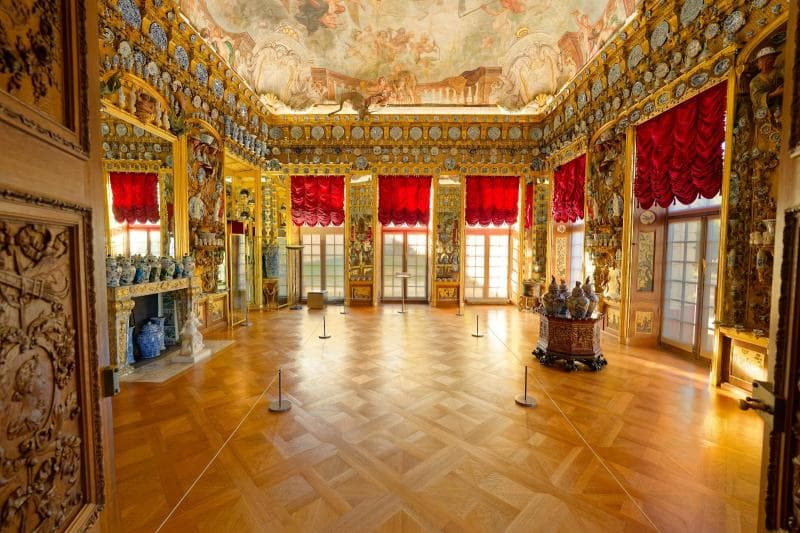
Discover the Belvedere Tea House, an exquisite tea pavilion within Charlottenburg Palace, Berlin, Germany, housing a world-class KPM porcelain collection.
Overview
Nestled within the expansive and picturesque Charlottenburg Palace Gardens in Berlin, Germany, the Belvedere Tea House stands as a charming historical gem. Originally conceived as a panoramic pavilion and tea house, this elegant three-story building offers visitors a captivating glimpse into Prussian aristocratic life. Today, it proudly houses a significant collection of exquisite porcelain, primarily showcasing the masterful creations of the Königliche Porzellan-Manufaktur (KPM) Berlin. With its scenic location providing views towards the River Spree, the Belvedere is a delightful spot for those seeking both historical insights and aesthetic beauty within the grand palace grounds.
History & Cultural Background
The Belvedere Tea House was constructed in 1788, commissioned by King Frederick William II, the nephew of the legendary Frederick the Great. The design was the work of the renowned royal architect Carl Gotthard Langhans, celebrated for his blend of late Baroque and early Neoclassical styles, as also seen in his later work on the Brandenburg Gate. The building's name, 'Belvedere', literally means 'beautiful view', a testament to its original function as an observation tower designed to offer scenic panoramas of the surrounding park and waterways. Frederick William II, a monarch with eclectic interests, utilized this pavilion not only for intimate chamber music performances but also for gatherings of the esoteric Order of the Golden and Rosicrucian Cross, a secret society to which he belonged. This intriguing aspect adds a layer of mystery and spiritualism to the building's past, contrasting with the more rationalist inclinations of his uncle. Like much of Berlin's historical architecture, the Belvedere suffered significant damage during the Second World War but was later meticulously rebuilt and restored, preserving its original charm and historical integrity.
What Makes It Special
What truly sets the Belvedere Tea House apart is its dual identity as both a historical architectural marvel and a repository of artistic craftsmanship. Its unique blend of Baroque and Neoclassical design, a signature of Carl Gotthard Langhans, creates an aesthetically pleasing structure that complements the diverse landscape of the Charlottenburg Palace Gardens. However, its most compelling feature today is undoubtedly the world-renowned porcelain collection it houses. Considered the most significant collection of Berlin porcelain globally, it features masterpieces from the 18th and early 19th centuries, including works from manufactories like Wegely and Gotzkowsky, with a strong emphasis on the Königliche Porzellan-Manufaktur (KPM) Berlin. This collection offers a vivid illustration of the evolution of court dining culture and artistic tastes during the Rococo and early modern periods. The historical anecdotes, particularly the association with King Frederick William II's spiritualist pursuits, lend the Belvedere a unique character, making it more than just a beautiful building but a place imbued with intriguing stories.
Stories, Fun Facts & Local Details
The very name 'Belvedere' hints at its primary purpose: to provide a 'beautiful view'. Imagine Prussian royalty and their guests enjoying tea and conversation while gazing upon the carefully manicured gardens and the winding River Spree. A fascinating detail is King Frederick William II's connection to the Rosicrucians, an esoteric society. The Belvedere served as a secluded venue for some of their meetings and séances, making it a site of both royal leisure and secret spiritual quests. This offers a rare glimpse into the less conventional aspects of royal life during that era. The KPM porcelain, a highlight of the collection, has its own rich history, having been established by Frederick the Great in 1763. The Charlottenburg Palace Gardens themselves are a tapestry of landscape design, evolving from formal French Baroque parterres to English-style natural landscapes, and the Belvedere sits gracefully within this historical evolution. The extensive rebuilding after its destruction in WWII also signifies a commitment to preserving Berlin's cultural heritage, allowing future generations to experience this historical beauty.
Visitor Perspective
For the curious traveler, a visit to the Belvedere Tea House offers a peaceful and enriching experience. It provides an opportunity to step away from the grandeur of the main Charlottenburg Palace and explore a more intimate facet of Prussian history and art. Strolling through the surrounding palace gardens to reach the Belvedere is part of the charm, allowing for contemplation of the landscape and the architectural elegance. Inside, the porcelain collection invites appreciation for the delicate artistry and historical significance of these treasured items. The panoramic views from its upper floors, true to its name, provide a different perspective of the palace grounds and the River Spree. While typically open during the summer season, it is advisable to check current opening hours, as like many historical sites, it may occasionally close for conservation or renovation. It is important to note that for conservation reasons, the exhibition spaces are not wheelchair accessible, and strollers are not permitted inside, ensuring the preservation of the delicate artifacts. Access is often included as part of a combined 'Charlottenburg+' ticket, allowing visitors to explore multiple attractions within the palace complex.
Coordinates: 13.2957, 52.5209
View on Google Maps💬 How Travelers Describe This Place
Based on community votes
Photogenic
752Must See
605Unique
502Interesting
291Beautiful
253
Traveler Stories
Discover memorable experiences shared by travelers who have visited this place.
No traveler stories yet.
Be the first traveler to share what made this place memorable.

Tour
By
Spot
Discover amazing places around the world. Your journey starts here.
Explore
© 2026 TourBySpot. All rights reserved.