Changdeokgung Palace
Seoul, South Korea
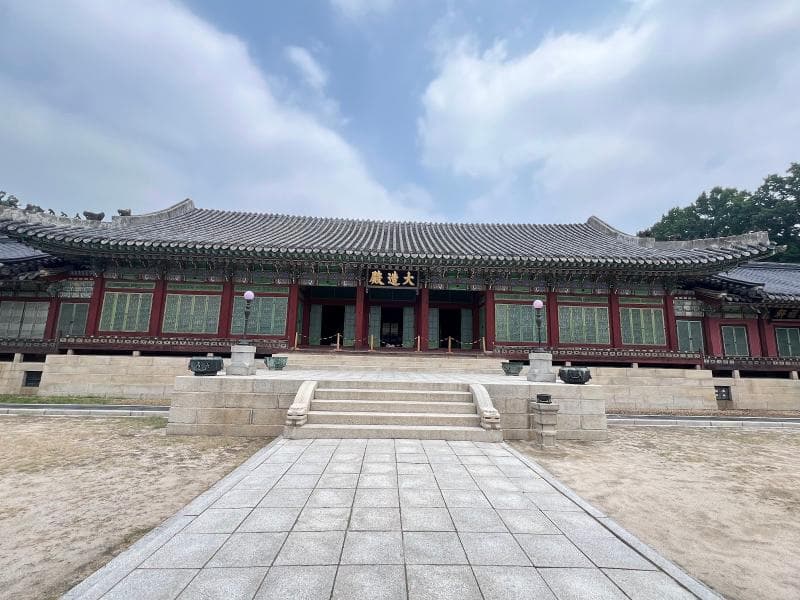
Discover Changdeokgung Palace in Seoul, South Korea – a UNESCO World Heritage site known for its harmonious architecture, rich history, and tranquil Secret Garden.
Overview
Changdeokgung Palace, nestled in the heart of Seoul, South Korea, stands as a profound testament to the architectural brilliance and natural harmony of the Joseon Dynasty (1392-1910). Designated a UNESCO World Heritage site in 1997, this 'Palace of Illustrious Virtue' is celebrated for its exceptional integration with the surrounding landscape, a design philosophy that distinguishes it from its more formal counterparts. Unlike palaces built on artificially leveled ground, Changdeokgung embraces the natural contours of the site, creating a serene and organic environment. It served as the principal palace for many Joseon kings and remains one of the most well-preserved royal palaces in Korea.
History & Cultural Background
Construction of Changdeokgung Palace began in 1405 under King Taejong, the third monarch of the Joseon Dynasty, as a secondary royal villa to Gyeongbokgung Palace. Completed in 1412, it was designed with a deep respect for its natural setting, integrating buildings harmoniously with the mountains and valleys. Unfortunately, like all other palaces in Seoul, Changdeokgung was completely destroyed during the Japanese invasions in 1592. It was the first palace to be reconstructed, an extensive project completed in 1611 under King Gwanghaegun. For the next 270 years, until the rebuilding of Gyeongbokgung in 1867, Changdeokgung served as the primary royal residence and the seat of government, solidifying its significant role in Korean history. This period saw successive kings expand the palace and its famed Secret Garden.
What Makes It Special
What truly sets Changdeokgung Palace apart is its adherence to the traditional Korean architectural principle of 'pungsu,' a geomantic philosophy akin to feng shui. Instead of imposing human will on nature, the palace structures were carefully positioned to blend seamlessly with the irregular topography of the land, preserving the indigenous tree cover and mountainsides. This results in an organic and harmonious aesthetic, considered an outstanding example of Far Eastern palace architecture and garden design. The palace complex encompasses a public palace area, royal family residences, and the expansive Rear Garden, known as 'Huwon' or the 'Secret Garden.' This garden, covering about 60% of the entire palace grounds, is a masterpiece of traditional Korean landscaping, featuring minimal artificial elements and a clever adaptation to its natural environment. Key structures like Injeongjeon Hall, the throne hall, Daejojeon Hall, and Seonjeongjeon Hall are preserved, offering glimpses into royal life.
Stories, Fun Facts & Local Details
The Secret Garden, or Biwon, was originally a private retreat for the royal family, often referred to as a 'place of rest for the kings.' Within its vast expanse, visitors can discover numerous pavilions, ponds like Buyongji, and a majestic tree that is over 300 years old. Legend has it that King Jeongjo and his courtiers enjoyed fishing in Buyongjeong Pavilion. This garden was also a venue for various royal activities, including military exercises, archery contests, banquets, and even the king's personal attempts at planting grains, while queens engaged in sericulture. Another notable area is Nakseonjae Hall, built for King Heonjong in the 19th century. Unlike other vibrantly painted palace buildings, Nakseonjae boasts an unpainted, minimalist aesthetic, reflecting a refined simplicity. It served as the final residence for the last members of the Korean imperial family until the late 20th century, imbuing it with poignant historical significance.
Visitor Perspective
Exploring Changdeokgung Palace offers a journey through Korea's regal past. Visitors can take a general tour of the palace grounds, covering main areas like Injeongjeon and Nakseonjae. The Secret Garden requires a separate, guided tour to preserve its sanctity and delicate ecosystem, with limited admission per session. The most enchanting time to visit the Secret Garden is often during autumn, when the foliage transforms into a breathtaking tapestry of colors. The palace is closed on Mondays. Many find Changdeokgung to offer a more intimate and tranquil experience compared to other palaces, allowing for a deeper appreciation of its unique charm.
Coordinates: 126.99278, 37.57944
View on Google Maps💬 How Travelers Describe This Place
Based on community votes
Interesting
972Photogenic
787Beautiful
726Unique
720Must See
300
Traveler Stories
Discover memorable experiences shared by travelers who have visited this place.
No traveler stories yet.
Be the first traveler to share what made this place memorable.
Things to see at Changdeokgung Palace



Tour
By
Spot
Discover amazing places around the world. Your journey starts here.
Explore
© 2026 TourBySpot. All rights reserved.