Nakseonjae Residence
Seoul, South Korea
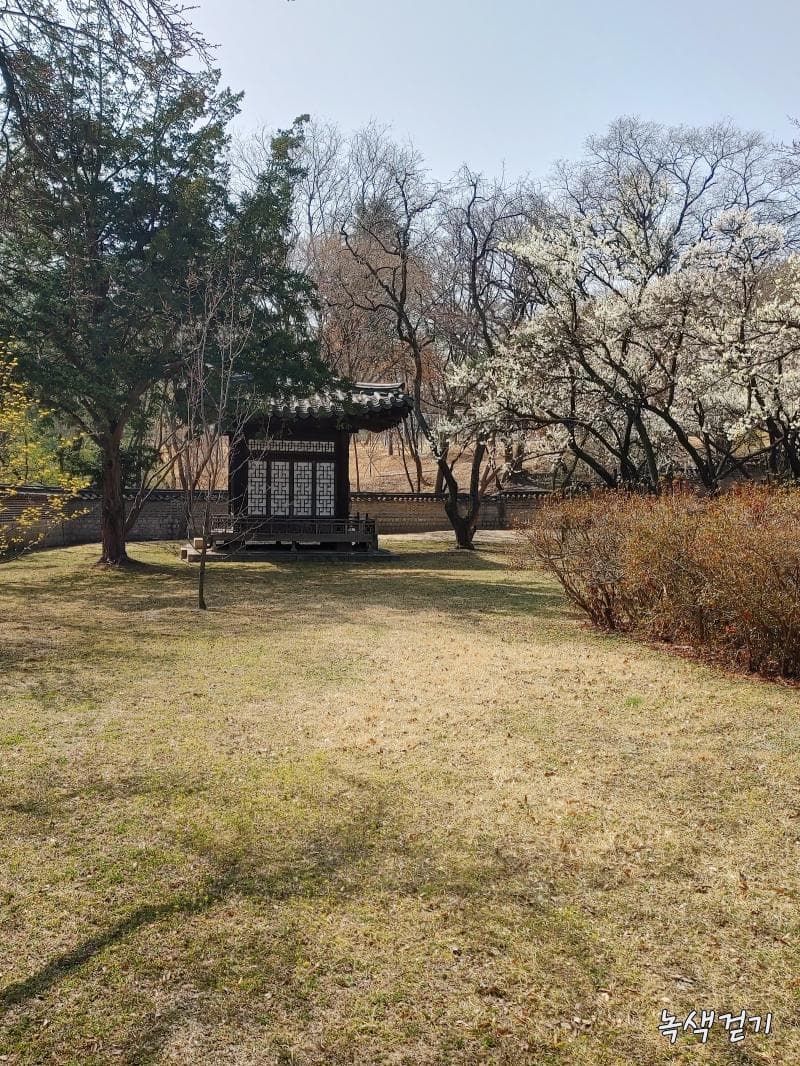
Explore Nakseonjae Residence in Seoul's Changdeokgung Palace, South Korea. Discover its unique, unadorned architecture and poignant history as a royal residence.
Overview
Nestled within the grand Changdeokgung Palace in Seoul, South Korea, the Nakseonjae Residence offers a tranquil escape into Joseon Dynasty history. Unlike the more flamboyant royal structures adorned with colorful *dancheong* (traditional multi-color painting), Nakseonjae stands out for its understated elegance and architectural simplicity. This complex of buildings, comprising Nakseonjae, Seokbokheon, and Sugangjae, was built to serve as private royal quarters, reflecting a sophisticated aesthetic that prioritized natural beauty and functionality over ostentation. Its unique design and poignant history make it a compelling destination for visitors seeking a deeper understanding of Korea's royal past.
History & Cultural Background
The Nakseonjae complex was constructed in 1847, during the 13th year of King Heonjong's reign. Originally, Nakseonjae itself was built as the king's private study and a place for receiving guests, showcasing his refined tastes and scholarly pursuits. The following year, two additional halls, Seokbokheon and Sugangjae, were added. Seokbokheon was intended as a residence for King Heonjong's concubine, Gyeongbin, while Sugangjae was built for his grandmother, Queen Sunwon. This arrangement reflects the intricate family dynamics and protocols within the Joseon royal court.
Beyond its initial purpose, Nakseonjae gained significant historical weight as it became the final home for the last members of the Joseon imperial family. Figures such as Crown Prince Yi Eun, his wife Princess Yi Bangja, and Princess Deokhye resided here, living out their later years within its quiet walls until the late 20th century. This makes Nakseonjae a powerful symbol of the dynasty's concluding chapters, bearing witness to both personal sorrow and the end of an era.
What Makes It Special
Nakseonjae's most distinctive feature is its architectural style, which diverges sharply from the prevailing palace designs. It was intentionally built without the vibrant *dancheong* ornamentation typically seen on royal buildings, instead embracing a simpler, more aristocratic residential aesthetic. This choice by King Heonjong highlighted a value for frugality and a harmonious integration with nature, rather than an overt display of royal power.
The complex is also celebrated for its exquisite detailing in its less obvious elements. The walls and fences surrounding Nakseonjae are adorned with unique and varied decorative patterns, a stark contrast to the plainer walls elsewhere in the palace. Behind the main buildings, visitors discover beautifully arranged terraced flower beds, known as *hwagye*, accompanied by artfully designed chimneys that blend seamlessly into the garden landscape. These intricate details, along with carefully placed stones and trees, create a serene and picturesque environment, showcasing the exceptional skill of late Joseon period architects and landscape designers.
Stories, Fun Facts & Local Details
The very name 'Nakseonjae' (樂善齋) translates to 'House of Enjoying Goodness,' a name derived from the Confucian classic *Mencius*, reflecting King Heonjong's scholarly inclinations and desire for virtuous living. The king was an avid reader and intellectual, and the Nakseonjae Pavilion served as his personal library and intellectual retreat. He even named a section 'Bosodang,' meaning 'considering news (Su Shi) as a treasure,' in admiration of the renowned Song Dynasty poet Su Shi, indicating his deep appreciation for literature and culture. The calligraphy on the signboard of Nakseonjae is attributed to Seop Ji-seon, a prominent literary figure from the Qing Dynasty.
Perhaps the most poignant aspect of Nakseonjae lies in its role as the final residence for the last imperial family members of Korea. Princess Deokhye, the last princess of Joseon, spent her later years here, and Crown Prince Yi Eun and Princess Yi Bangja also lived out their lives within this compound. Their presence imbued Nakseonjae with a profound sense of historical continuity and human stories, offering a tangible connection to the end of a dynastic era. It is one of the few places in the royal palaces where the traces of individual lives feel so strongly preserved.
Visitor Perspective
Visiting Nakseonjae offers a distinctly different experience compared to the grand ceremonial halls of Changdeokgung. It provides a more intimate and reflective journey, inviting visitors to ponder the daily lives and personal histories of the royals who once resided there. The absence of bright colors allows the intricate architectural details, the natural wood, and the carefully crafted gardens to truly shine, creating an atmosphere of quiet dignity and elegance.
Strolling through the serene courtyards and the charming rear garden, with its unique landscaping and decorative elements, visitors can gain a deeper appreciation for the aesthetic values of the Joseon period. It's a place for quiet contemplation, offering a stark yet beautiful contrast to the more public areas of the palace. The complex was opened to the public in 2006 after meticulous restoration, allowing modern visitors to step back in time and connect with a significant, yet often overlooked, part of Korean royal heritage.
Coordinates: 126.991, 37.579
View on Google Maps💬 How Travelers Describe This Place
Based on community votes
Unique
898Interesting
667Must See
618Beautiful
308Photogenic
32
Traveler Stories
Discover memorable experiences shared by travelers who have visited this place.
No traveler stories yet.
Be the first traveler to share what made this place memorable.

Tour
By
Spot
Discover amazing places around the world. Your journey starts here.
Explore
© 2026 TourBySpot. All rights reserved.