Huwon Secret Garden
Seoul, South Korea
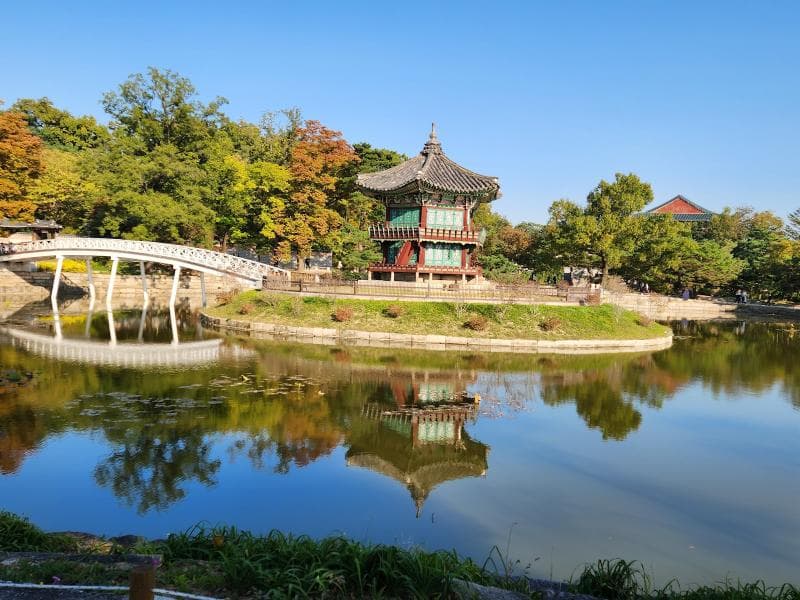
Discover Huwon Secret Garden, a UNESCO World Heritage site within Changdeokgung Palace in Seoul, South Korea. Explore its serene history and natural beauty.
Overview
Tucked away behind the grand Changdeokgung Palace in Seoul, South Korea, lies the serene and historically rich Huwon Secret Garden, often referred to as Biwon. This expansive royal garden, encompassing approximately 78 acres, is a remarkable example of traditional Korean landscaping, celebrated for its profound harmony with nature. Historically, it served as an exclusive private retreat for the Joseon Dynasty's royal family, a place for contemplation, leisure, and various royal activities. Unlike the more formal and symmetrical gardens found elsewhere, Huwon's design consciously integrates with the natural topography, reflecting a deep respect for the land's original contours. Recognized for its exceptional beauty and architectural blend with the natural environment, Changdeokgung Palace, including Huwon, was designated a UNESCO World Heritage site in 1997.
History & Cultural Background
The origins of the Huwon Secret Garden date back to the early 15th century, with its initial construction commencing during the reign of King Taejong, who ruled from 1400 to 1418. While Changdeokgung Palace was initially built as a secondary royal villa to Gyeongbokgung Palace, it soon gained prominence, especially after the Japanese invasions of 1592 when all palaces in Hanyang were burned down. Changdeokgung was the first to be rebuilt, in 1611, and subsequently served as the de facto primary palace for approximately 270 years. Throughout the Joseon Dynasty, successive monarchs expanded and refined the garden, creating a space that evolved with the kings' needs for rest, study, and recreation. The name 'Huwon' itself means 'Rear Garden,' while 'Biwon' translates to 'Secret Garden,' a popular moniker that emerged in the late 19th century, highlighting its exclusive access.
What Makes It Special
Huwon's allure lies in its unique approach to garden design, where human intervention is minimal, allowing the natural landscape to dictate the layout. Instead of imposing artificial structures, pavilions and ponds are thoughtfully placed to blend seamlessly with the existing valleys and hills, creating a serene and picturesque environment. Key features within the garden include several stunning ponds and pavilions. The Buyongji Pond, a square lotus pond, is particularly notable, flanked by the exquisite Buyongjeong Pavilion and the royal library, Juhamnu Pavilion, built in 1776. Another highlight is the Aeryeonjeong Pavilion, named for King Sukjong's love of lotuses, which sits gracefully by Aeryeonji Pond. Further into the garden, visitors discover the Ongnyucheon, or 'Jade Stream' area, featuring a U-shaped water channel carved with a poetic inscription and several small pavilions, a favorite secluded spot for kings and scholars alike. The garden is home to many ancient trees, some over 300 years old, which contribute to its timeless beauty and tranquil atmosphere.
Stories, Fun Facts & Local Details
The 'secret' in Huwon Secret Garden refers to its historical exclusivity; it was strictly reserved for the king, royal family, and select officials, making it a truly private sanctuary. Commoners, curious about the hidden royal haven, speculated about its mystique, contributing to its popular designation as the 'Secret Garden.' This royal retreat wasn't solely for quiet contemplation; it hosted a variety of royal activities, from banquets and archery games to military drills. King Jeongjo, a scholar king, heavily utilized the Juhamnu Pavilion as a royal library and research center, highlighting the garden's role in intellectual pursuits. An interesting architectural detail is the Eosumun Gate leading to Juhamnu Pavilion, which symbolically reminded the king that a fish cannot live without water, implying that a ruler must always respect the people. The traditional Korean architecture within the garden, including the 'Japsang' animal sculptures on pavilion roofs, is notable for its intricate details and vibrant colors, harmonizing with the lush surroundings.
Visitor Perspective
Exploring Huwon Secret Garden offers a uniquely immersive experience, allowing visitors to step into a preserved piece of Joseon Dynasty history. To maintain its pristine condition and manage visitor flow, access to the Secret Garden is strictly by guided tour only. These tours typically last between 70 to 90 minutes and are conducted in various languages. Visitors must purchase a separate ticket for the garden in addition to the main Changdeokgung Palace admission. Tickets can be reserved online in advance or purchased on-site, though online booking is highly recommended due to limited availability, especially during peak seasons like autumn when the foliage paints the garden in spectacular hues. The guided tour ensures a structured yet peaceful journey through this tranquil landscape, providing context and insight into the historical and cultural significance of each feature. It's a chance to experience the profound serenity and natural beauty that once provided solace to Korean royalty, far removed from the bustle of modern Seoul.
Coordinates: 126.991, 37.5794
View on Google Maps💬 How Travelers Describe This Place
Based on community votes
Must See
972Beautiful
787Photogenic
748Unique
85Interesting
73
Traveler Stories
Discover memorable experiences shared by travelers who have visited this place.
No traveler stories yet.
Be the first traveler to share what made this place memorable.

Tour
By
Spot
Discover amazing places around the world. Your journey starts here.
Explore
© 2026 TourBySpot. All rights reserved.