Ancient Agora Of Athens
Athens, Greece
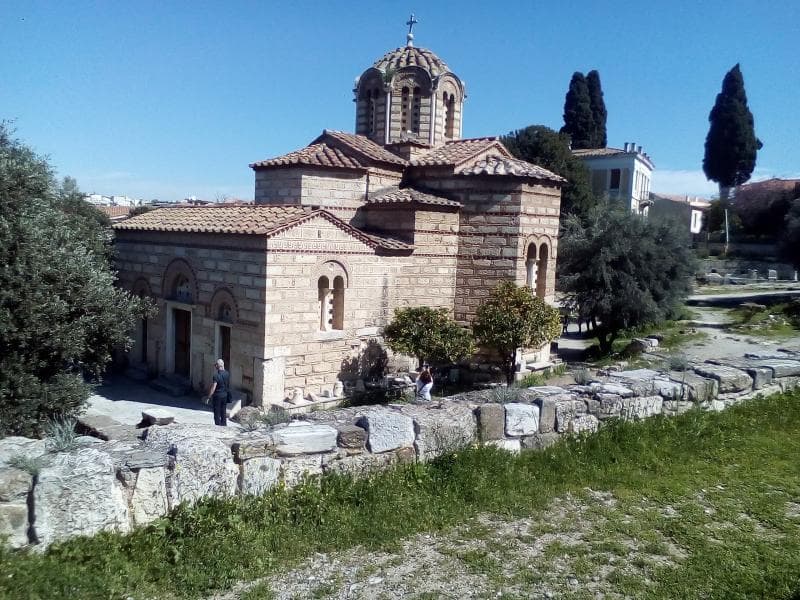
Explore the Ancient Agora of Athens, Greece's historical heart of democracy, philosophy, and commerce. Discover ancient ruins and the Stoa of Attalos museum.
Overview
The Ancient Agora of Athens, nestled beneath the majestic Acropolis, was the vibrant heart of the ancient city. Spanning approximately 30 acres, this sprawling archaeological park served as the primary gathering place for Athenian citizens, fulfilling roles as a commercial marketplace, political assembly, administrative center, and a hub for social, religious, and cultural activities. Today, it stands as a testament to the birth of democracy and Western civilization, offering a captivating journey through the ruins and reconstructed buildings of a bygone era.
History & Cultural Background
The history of the Agora stretches back to Neolithic times, with evidence suggesting its use as a residential and burial area around 3000 BCE. It evolved into a communal gathering spot in the 6th century BCE, during the time of Solon, and subsequently flourished as the focal point of public life. Over centuries, the Ancient Agora witnessed periods of immense development alongside devastating attacks, notably by the Persians in 480 BCE, the Romans, and the Herulians in 267 CE, each leaving their mark and necessitating extensive rebuilding. Systematic excavations, primarily undertaken by the American School of Classical Studies since 1931, have meticulously brought to light its rich history, unveiling a continuous habitation spanning over 5,000 years and significantly expanding our understanding of ancient Athenian life and the origins of democracy.
What Makes It Special
What truly sets the Ancient Agora apart is its profound significance as the cradle of Athenian democracy and a crucible of intellectual thought. It was here that foundational ideas of governance and philosophy were debated and refined. The site boasts remarkable structures such as the Temple of Hephaestus, considered the best-preserved Doric temple in Greece, dedicated to the god of metalworking and craftsmen. Another iconic landmark is the Stoa of Attalos, a monumental Hellenistic-era colonnade that has been meticulously reconstructed and now houses the Museum of the Ancient Agora, exhibiting artifacts connected with Athenian democracy. The Agora was not merely a collection of buildings; it was a living, breathing space where the very foundations of Western thought and political systems were laid.
Stories, Fun Facts & Local Details
Imagine the footsteps of legendary philosophers like Socrates, who frequently walked these grounds, engaging in profound discussions with his disciples under the shade of colonnades or amidst the bustling marketplace. The Panathenaic Way, a sacred road running through the Agora, was central to the grand Panathenaic festival, a four-yearly celebration honoring the goddess Athena. A fascinating fact is that to fully excavate the Agora, around 365 to 400 modern houses had to be demolished, revealing the ancient layers beneath. The Stoa of Attalos itself was a gift from Attalos II of Pergamon, who studied in Athens, and essentially functioned as an ancient 'shopping mall,' lined with stalls. Within the museum, you can find intriguing artifacts such as ostraka, pottery shards used for voting in ostracism, a process by which citizens could exile individuals deemed a threat to the democracy.
Visitor Perspective
Visiting the Ancient Agora today offers a serene yet deeply immersive experience. While the Acropolis dominates the skyline above, the Agora provides a more grounded insight into the daily life and civic functions of ancient Athens. Visitors typically spend between 1.5 to 3 hours exploring the site, including time for the museum housed within the Stoa of Attalos. The open-air nature of the site means it's best explored in the early morning or late afternoon to enjoy cooler temperatures and more gentle light, especially during warmer months. The terrain can be uneven with gravel paths, steps, and slopes, making comfortable footwear essential. For those with mobility considerations, the Museum of the Ancient Agora in the Stoa of Attalos is fully accessible, offering step-free entry and facilities. Tactile site plans and Braille brochures are also available for visually impaired visitors at the museum's information desk. The site's proximity to other key Athenian landmarks, such as the Acropolis, makes it a natural and essential addition to any exploration of Athens' classical past.
Coordinates: 23.7225, 37.975
View on Google Maps💬 How Travelers Describe This Place
Based on community votes
Interesting
869Must See
445Beautiful
416Photogenic
309Unique
33
Traveler Stories
Discover memorable experiences shared by travelers who have visited this place.
No traveler stories yet.
Be the first traveler to share what made this place memorable.
Things to see at Ancient Agora Of Athens



Tour
By
Spot
Discover amazing places around the world. Your journey starts here.
Explore
© 2026 TourBySpot. All rights reserved.