Altar Of The Twelve Gods
Athens, Greece
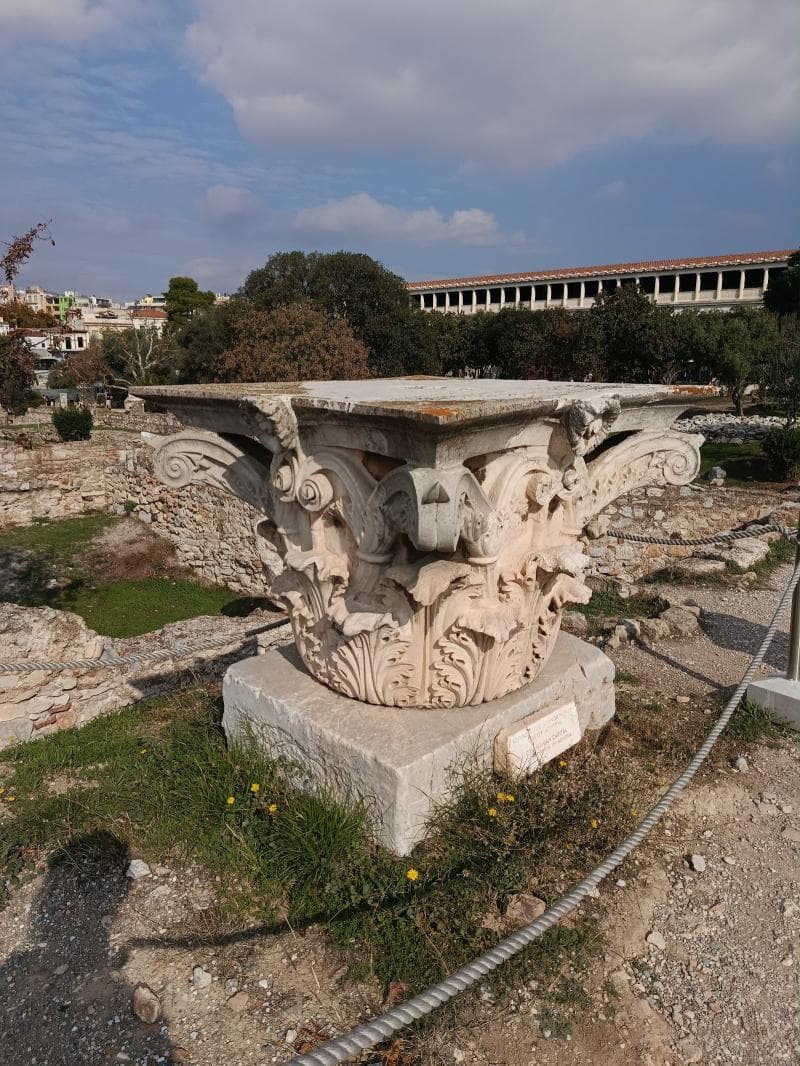
Explore the Altar of the Twelve Gods in Athens, Greece, a historical landmark in the Ancient Agora. Discover its role as a sanctuary for Olympian gods and the civic 'zero point' of ancient Athens.
Overview
Deep within the historic heart of Athens, Greece, nestled in the expansive Ancient Agora, lies the site of the Altar of the Twelve Gods. This revered sub-spot, though largely no longer standing, once held immense spiritual and civic importance for the ancient Athenians. It was an essential sanctuary dedicated to the principal Olympian deities, serving as a focal point for religious rituals and public life. More than just a place of worship, the Altar also functioned as the symbolic center of the city, from which all distances across Attica were measured, cementing its role as a crucial landmark in the ancient world.
History & Cultural Background
The Altar of the Twelve Gods was established in the late 6th century BCE, specifically around 522/1 BCE, by Peisistratos the Younger, the grandson of the tyrant Peisistratos. This significant act of dedication underscored its importance as a panhellenic sanctuary within the burgeoning democracy of Athens. It was devoted to the twelve Olympian gods, typically including Zeus, Hera, Poseidon, Demeter, Athena, Apollo, Artemis, Ares, Aphrodite, Hermes, Hephaestus, and possibly Hestia or Dionysus. Situated in the northwest corner of the Classical Agora, adjacent to the Panathenaic Way, its location was strategic, connecting it to major civic and religious processions. The altar also functioned as a sacred place of refuge, where supplicants seeking protection could find asylum. While partially damaged during the Persian sack of Athens in 480–479 BCE, it was later reconstructed, testifying to its enduring significance. The structure was eventually dismantled around 267 AD.
What Makes It Special
The Altar of the Twelve Gods held a unique dual significance that made it truly special. Religiously, it was a central hub for the worship of the Olympian pantheon, attracting both Athenians and foreigners for daily offerings and purifications. This inclusive nature, transcending city-specific cults, fostered a sense of civic unity. Civically, it served as the official 'zero point' of Athens. From at least the 5th century BCE, all distances to and from Athens were calculated from this sacred spot. This practical role as a central milestone underscored its symbolic status as the city's 'navel' or geographical heart, a concept mentioned by ancient historians like Herodotus. Its prominence as one of the few surviving archaic monuments within the Agora further highlights its historical value, offering a tangible link to Athens' early democratic era.
Stories, Fun Facts & Local Details
Beyond its formal functions, the Altar of the Twelve Gods is steeped in fascinating stories. It was renowned as a place of asylum; ancient accounts describe individuals seeking refuge there by sitting at the altar, placing themselves under divine protection. For instance, in 519 BCE, the Plataeans famously sought protection from Thebes at this very altar. Later, individuals accused of misappropriating public funds, such as assistants of the sculptor Phidias, and even the general Callistratus, found temporary sanctuary here. The exact identities of the twelve gods honored were sometimes debated, though they largely aligned with the traditional Olympians depicted on the Parthenon. The poet Pindar, in a dithyramb for the Athenians, referred to this altar as the 'fragrant, much-frequented navel of the holy city of Athens,' beautifully capturing its central and revered status. In modern times, archaeological discoveries in 1891 and 1934 confirmed its location, with some parts remaining buried beneath the Athens-Piraeus Electric Railway, a challenge for full excavation.
Visitor Perspective
Today, visitors to the Ancient Agora of Athens can experience the historical resonance of the Altar of the Twelve Gods, even if only fragments and its delineated location remain visible. While the original structure is largely gone, its presence is marked, allowing you to stand on the very spot that was once the civic and religious heart of ancient Athens. Imagine the bustling activity, the solemn rituals, and the desperate pleas of those seeking sanctuary. It's a place that invites reflection on the interconnectedness of religion, politics, and daily life in antiquity. As you explore the wider Ancient Agora, pausing at this site offers a profound connection to the city's foundational history and the enduring legacy of the Olympian gods. The surrounding museum in the Stoa of Attalos can further enrich your understanding of the artifacts uncovered from this significant area.
Coordinates: 23.72278, 37.975865
View on Google Maps💬 How Travelers Describe This Place
Based on community votes
Interesting
623Photogenic
343Unique
302Must See
250Beautiful
88
Traveler Stories
Discover memorable experiences shared by travelers who have visited this place.
No traveler stories yet.
Be the first traveler to share what made this place memorable.

Tour
By
Spot
Discover amazing places around the world. Your journey starts here.
Explore
© 2026 TourBySpot. All rights reserved.