Yu Garden
Shanghai, China
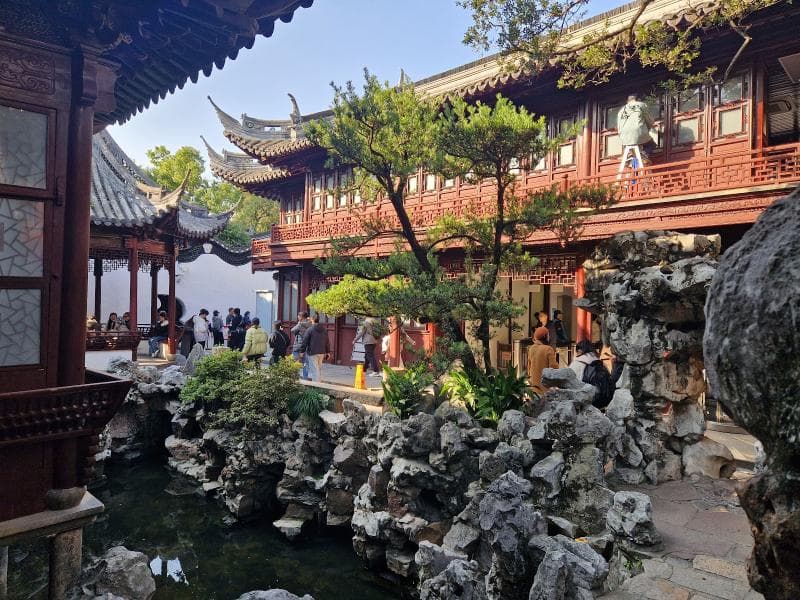
Discover Yu Garden, a classical Ming Dynasty retreat in Shanghai, China. Explore its history, unique architecture, and tranquil beauty.
Overview
Nestled in the bustling heart of Shanghai, China, Yu Garden, also known as Yuyuan Garden, stands as a magnificent testament to classical Chinese landscape design. This ancient garden, dating back to the Ming Dynasty, offers a serene escape from the city's modern skyscrapers. Its name, 'Yu' (豫), translates to 'pleasing' or 'comforting,' reflecting its original purpose as a tranquil retreat designed to bring peace and happiness to its owner's parents. Spanning approximately five acres, Yu Garden is renowned for its intricate layout, combining pavilions, ornate rockeries, shimmering ponds, and winding paths, all meticulously arranged to evoke a sense of natural harmony and beauty.
As one of Shanghai's most iconic attractions, Yu Garden exemplifies the Jiangnan-style garden architecture, characterized by its exquisite detailing and thoughtful integration of various elements. Visitors are transported to a bygone era, where every turn reveals a carefully composed scene, rich with historical and cultural significance.
History & Cultural Background
The construction of Yu Garden began in 1559 during the Ming Dynasty, initiated by Pan Yunduan, a high-ranking government official and former Governor of Sichuan. His profound motivation was to create a comfortable and peaceful haven for his aging father, Pan En, demonstrating filial piety—a cornerstone of traditional Chinese culture.
The ambitious project took over 20 years to complete, delaying its final touches until around 1577-1578. Despite its grandeur and the immense effort invested, the garden's extravagant cost eventually contributed to the Pan family's financial decline. Over the centuries, Yu Garden endured a tumultuous history. It suffered significant damage during the 19th century, particularly during the First Opium War in 1842, when British forces briefly used its Huxinting Teahouse as a base, and later during the Taiping Rebellion (1850-1864). During the Taiping Rebellion, the Small Swords Society even established its headquarters within the garden's Dianchun Hall.
Following periods of neglect and destruction, extensive restoration efforts were undertaken in the mid-20th century. The garden was meticulously repaired and refurbished between 1956 and 1961, and subsequently reopened to the public in 1961. In 1982, it was officially designated a national key cultural relic protection unit, safeguarding its historical and artistic value for future generations.
What Makes It Special
Yu Garden is celebrated for its distinctive Jiangnan garden style, which masterfully blends natural scenery with architectural artistry. The garden is divided into several scenic areas, each offering a unique perspective and experience, including the Sansui Hall, Wanhua Chamber, Dianchun Hall, Huijing Hall, Yuhua Hall, and the Inner Garden.
Key features that make Yu Garden truly special include its elaborate pavilions, designed with upturned eaves and delicate carvings, and the tranquil ponds teeming with colorful koi fish. Winding corridors and zigzag bridges guide visitors through the landscape, intentionally designed to disorient evil spirits, which are believed to travel only in straight lines. The garden's impressive rockeries are another highlight, particularly the Grand Rockery, a towering structure made from thousands of tons of rare yellow stones, evoking majestic mountain ranges.
Another iconic element is the Exquisite Jade Rock (Yù Línglóng), a porous, 3.3-meter-tall boulder with 72 holes, known for its unique ability to emit smoke from all its openings if incense is lit below, or to distribute water from every hole when poured from the top. Dragon walls, adorned with undulating tiled ridges and dragon heads, famously separate the garden's various sections, creating a sense of intimate spaces within a larger design.
Stories, Fun Facts & Local Details
The creation of Yu Garden is steeped in the story of Pan Yunduan's profound devotion to his parents. He began building the garden after failing imperial exams, intending it as a place of filial comfort. Ironically, despite dedicating two decades and vast resources to its construction, his parents passed away only a few years after its completion, and the financial strain eventually ruined the family.
A popular legend surrounds the Exquisite Jade Rock. It is rumored to have been originally intended for Emperor Huizong's imperial garden during the Northern Song Dynasty but was salvaged from the Huangpu River after the boat carrying it sank. Pan Yunduan reportedly retrieved it and placed it in his garden, adding to its mystique.
The famous Nine-Bend Bridge (Jiuqu Bridge) meanders over a pond, leading to the Huxinting Teahouse. This zigzag design was not just aesthetic; it was traditionally believed to deter evil spirits, which were thought to only be able to travel in straight lines. The teahouse itself is Shanghai's oldest, and for a few days in 1842, it served as a temporary headquarters for the British army during the First Opium War. Later, during the Taiping Rebellion, the Dianchun Hall within the garden became the command center for the Small Swords Society, a local rebel group.
Visitor Perspective
For the curious traveler, Yu Garden offers a unique journey through Chinese history and culture. While it can draw crowds, especially during peak hours, visiting early in the morning on a weekday often allows for a more tranquil experience, echoing the garden's original intent as a peaceful retreat. It's advisable to allow at least two hours to leisurely explore its many intricate sections.
Adjacent to the garden is the vibrant Yuyuan Tourist Mart, also known as Yuyuan Bazaar, a lively area filled with traditional shops, street food vendors, and cultural souvenirs. This juxtaposition of ancient serenity within the garden and the energetic modern commerce outside creates a compelling experience, blending heritage with contemporary Shanghai life. It's a place where you can appreciate classical artistry and then step out to savor local delicacies, offering a complete sensory exploration of this iconic Shanghai destination.
Coordinates: 121.48775, 31.22892
View on Google Maps💬 How Travelers Describe This Place
Based on community votes
Beautiful
886Unique
564Must See
233Interesting
201Photogenic
121
Traveler Stories
Discover memorable experiences shared by travelers who have visited this place.
No traveler stories yet.
Be the first traveler to share what made this place memorable.
Things to see at Yu Garden



Tour
By
Spot
Discover amazing places around the world. Your journey starts here.
Explore
© 2026 TourBySpot. All rights reserved.