Inner Garden
Shanghai, China
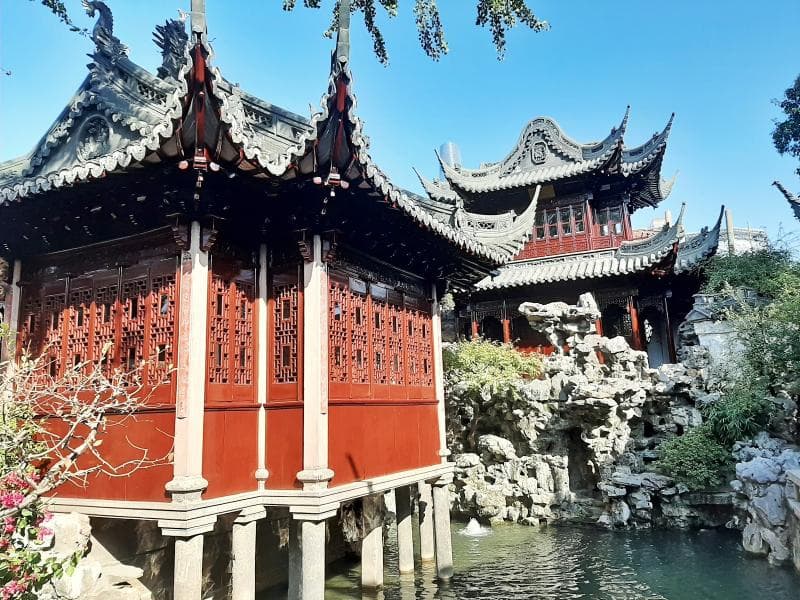
Discover the tranquil Inner Garden within Shanghai's historic Yu Garden. Explore Qing Dynasty architecture, serene ponds, and cultural beauty in this hidden gem.
Overview
Tucked within the vibrant expanse of Shanghai's historic Yu Garden lies the serene and secluded Inner Garden, an exquisite example of classical Chinese landscape design. While Yu Garden itself is a celebrated Ming Dynasty creation, the Inner Garden offers a distinct, more intimate experience, often lauded as the oldest part of the entire complex. Visitors stepping into this tranquil enclave are greeted by a harmonious blend of meticulously arranged rockeries, tranquil ponds, and ornate pavilions and towers. It encapsulates the very essence of traditional Chinese garden architecture, providing a peaceful escape from the bustling modern metropolis that surrounds it.
Known for its refined character, the Inner Garden is a garden-within-a-garden, showcasing artificial hills, ponds, pavilions, and towers that work together to create a miniature world of natural beauty and artistic ingenuity. It's a place where every element is thoughtfully placed, inviting contemplation and appreciation for its rich history and cultural significance. For those seeking a moment of quiet reflection amidst the grandeur of Yu Garden, the Inner Garden provides a particularly calming atmosphere, often noted as the quietest section, especially during the early hours.
History & Cultural Background
The history of the Inner Garden traces its origins back to 1709, when it was initially laid out during the Qing Dynasty. Unlike the main Yu Garden, which was conceived in the mid-16th century by Pan Yunduan as a private retreat for his father, Pan En, the Inner Garden was established much later. It was only in 1956 that this distinct area was formally integrated into the larger Yu Garden complex, having been recreated by combining separate east and west garden sections.
The broader Yu Garden, meaning 'Garden of Peace and Comfort' or 'Pleasing Garden,' was originally constructed between 1559 and 1578, a testament to Pan Yunduan's filial piety. Over centuries, the entire garden complex, including the Inner Garden, endured periods of change and even disrepair, witnessing significant historical events such as the base of the Small Swords Society uprising in Dianchun Hall in 1853. Today, the Inner Garden stands as a remarkable preservation of Qing-dynasty architectural details, reflecting the enduring legacy of Chinese garden art through dynastic changes and urban development.
What Makes It Special
The Inner Garden's special allure lies in its unique intimacy and meticulous detailing, setting it apart from the larger Yu Garden. It is distinguished by some of the best-preserved Qing-dynasty architectural features, including exquisitely carved screens and delicately painted ceilings that showcase the era's sophisticated craftsmanship. The Kuan Yun Lou (快云楼) hall within the Inner Garden is particularly notable for its fine interior woodwork, considered among the best in Shanghai's historic buildings.
Its design philosophy emphasizes creating a sense of natural landscape within a confined space. Visitors can explore carefully crafted rock formations, serene ponds, and elegant pavilions that collectively form a microcosm of an idealized natural world. The 'garden-within-a-garden' concept makes it feel like a discovery, a hidden gem that rewards exploration with a deeper sense of tranquility and historical connection. This distinct section offers a quieter, more enclosed, and refined atmosphere compared to the broader, often bustling, main garden areas.
Stories, Fun Facts & Local Details
One fascinating aspect of the Inner Garden, and Yu Garden as a whole, is the philosophical depth embedded in its design. Chinese classical gardens are not merely decorative but are carefully curated spaces meant to evoke philosophical contemplation and a connection to nature. The use of artificial hills and winding paths in the Inner Garden, for instance, symbolizes mountains and rivers, representing the natural world where immortals are believed to reside. The layout is often asymmetrical, adhering to Feng Shui principles to ensure harmony and balance.
While the Inner Garden may not have as many specific 'stories' tied to individual features as some other parts of Yu Garden (like the Exquisite Jade Rock or Dianchun Hall), its very existence and preservation speak volumes. It's a testament to the continuous valuing of refined beauty and contemplative spaces throughout different periods of Chinese history. Visitors often find that the deeper they venture into the garden's quieter corners, the more they appreciate the subtle sounds of trickling water and the intricate details that might be overlooked in a faster pace. This quieter environment allows for a deeper appreciation of the garden's artistry.
Visitor Perspective
For a traveler exploring Yu Garden, the Inner Garden offers a rewarding shift in pace and ambiance. While the main areas of Yu Garden can be quite bustling, especially during peak hours, the Inner Garden is often described as the most tranquil section. This makes it an ideal spot for those who wish to slow down, absorb the intricate details of Qing-dynasty architecture, and experience a moment of genuine peace.
To best enjoy the Inner Garden, it is advisable to visit early in the morning when the entire Yu Garden complex is less crowded. This allows for an unhurried appreciation of its elaborate carved screens, painted ceilings, and fine woodwork. Navigating through the Inner Garden's intimate pathways provides a sense of discovery, revealing carefully composed vistas at every turn. Its refined beauty and quietude make it a highlight for many who seek a deeper connection with Shanghai's rich cultural heritage beyond the vibrant commercial areas of the Old City.
Coordinates: 121.48775, 31.22892
View on Google Maps💬 How Travelers Describe This Place
Based on community votes
Must See
491Photogenic
443Beautiful
414Interesting
310Unique
277
Traveler Stories
Discover memorable experiences shared by travelers who have visited this place.
No traveler stories yet.
Be the first traveler to share what made this place memorable.

Tour
By
Spot
Discover amazing places around the world. Your journey starts here.
Explore
© 2026 TourBySpot. All rights reserved.