Exquisite Jade Rock
Shanghai, China
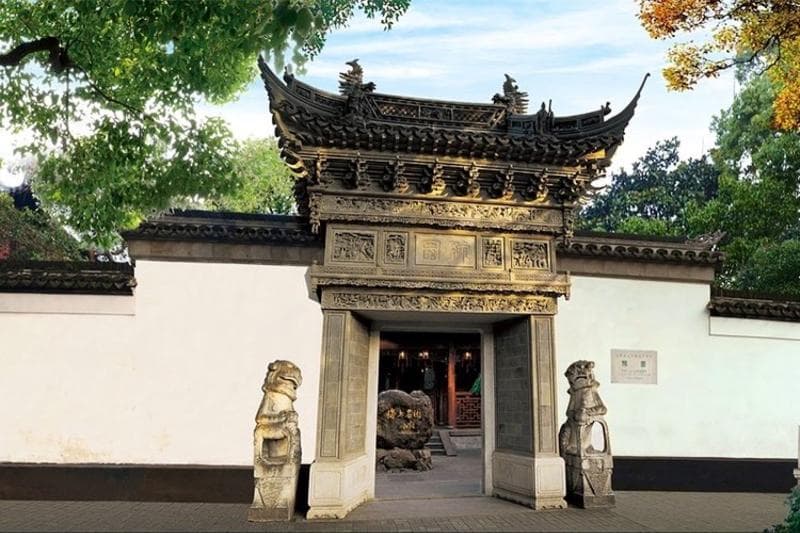
Discover the Exquisite Jade Rock in Shanghai's historic Yu Garden, a porous Taihu stone famed for its 72 holes and ancient legends. Explore this Ming Dynasty masterpiece.
Overview
Nestled within the serene and classical landscape of Yu Garden in Shanghai, China, lies a natural wonder known as the Exquisite Jade Rock, or 'Yu Ling Long' (玉玲珑). This monumental boulder is not merely a stone; it is a celebrated centerpiece, drawing admiration for its unique form and intriguing history. Standing as a testament to traditional Chinese garden artistry and aesthetic principles, the Exquisite Jade Rock is a must-see for any traveler seeking a deeper connection with China's rich cultural heritage. Its presence adds a profound sense of antiquity and mystique to the meticulously designed Ming Dynasty garden it calls home, offering a tranquil focal point amidst the vibrant flora and intricate architecture of Yu Garden.
History & Cultural Background
The Exquisite Jade Rock carries with it tales as old as time, linking it to imperial aspirations and fortuitous accidents. Legend has it that this magnificent rock was originally intended for the imperial garden of Emperor Huizong of the Northern Song dynasty, dating back to 1100 to 1126 AD. However, fate intervened when the boat transporting it allegedly sank in the Huangpu River. Miraculously salvaged, the rock eventually found its permanent resting place within Yu Garden, enriching its design and narrative. Yu Garden itself, constructed in 1559 during the Ming Dynasty by Pan Yunduan, was a heartfelt tribute to his parents, embodying filial piety and a desire to bring them peace and happiness, as suggested by the meaning of 'Yu' (豫). The rock's journey from imperial ambition to a private garden jewel underscores its enduring value and the Chinese reverence for uniquely formed natural elements. It is widely recognized as one of the 'Three Great Rocks of Jiangnan,' alongside Ruiyun Rock in Suzhou and Zhouyun Rock in Hangzhou, signifying its unparalleled status in Chinese garden aesthetics.
What Makes It Special
What truly sets the Exquisite Jade Rock apart is its extraordinary physical composition and form, embodying the esteemed Chinese aesthetic qualities of 'shou, zhou, lou, and tou,' which translate to slender, gnarly, porous, and transparent. Sourced from the famous Taihu Lake in Wuxi, Jiangsu province, this grotesque rock stands approximately 3.3 to 4 meters high and weighs about 5 tons. Its surface is intricately eroded, featuring a remarkable 72 holes that pierce through its structure. These characteristics are not merely visual; they represent a deep appreciation for nature's artful asymmetry and the passage of time. The rock's complex network of perforations allows light to filter through, creating a dynamic interplay of shadows that shift throughout the day, inviting contemplation and wonder. The term 'exquisite' perfectly captures its delicate yet robust nature, a masterpiece carved by nature's hand over millennia.
Stories, Fun Facts & Local Details
The mystique of the Exquisite Jade Rock is further amplified by captivating anecdotes and traditional tests of its unique properties. One popular 'fun fact' suggests that if you burn a joss stick just beneath the rock, the smoke will magically emanate from all 72 of its intricate holes. Similarly, pouring water into the rock from the top is said to result in water flowing out from every single aperture, creating a mesmerizing spectacle. These demonstrations, whether literal or symbolic, highlight the rock's extraordinary porosity and its harmonious integration with the elements of nature. Beyond its physical marvels, the presence of jade itself holds immense cultural weight in China, symbolizing purity, moral integrity, grace, and even the connection between heaven and earth. Ancient Chinese philosophers like Confucius revered jade, equating its inherent qualities with the virtues of a benevolent person. Thus, the Exquisite Jade Rock is not just a geological formation, but a living embodiment of Chinese philosophical and artistic ideals.
Visitor Perspective
For the curious traveler, encountering the Exquisite Jade Rock within Yu Garden is an experience that transcends mere sightseeing. It is an invitation to pause, observe, and reflect on the intricate relationship between nature, art, and human culture. Positioned thoughtfully within the garden, often across from the Yuhua Hall, the rock serves as a natural sculpture, commanding attention without overwhelming its surroundings. Visitors are encouraged to walk around it, marvel at its multi-faceted beauty, and perhaps even imagine the legendary smoke and water tricks. Its presence evokes a sense of timelessness, connecting contemporary visitors to the Ming Dynasty scholars and officials who first admired its elegance. Observing the Exquisite Jade Rock offers a tangible link to the profound aesthetic principles that have shaped Chinese gardens for centuries, reminding us that true beauty often lies in the imperfections and unique characteristics sculpted by nature itself. It fosters a quiet contemplation, inviting one to appreciate the 'small as big' philosophy—where a single rock can encapsulate the grandeur of mountains and the flow of rivers.
Coordinates: 121.4858, 31.2242
View on Google Maps💬 How Travelers Describe This Place
Based on community votes
Interesting
836Photogenic
797Unique
255Must See
231Beautiful
86
Traveler Stories
Discover memorable experiences shared by travelers who have visited this place.
No traveler stories yet.
Be the first traveler to share what made this place memorable.

Tour
By
Spot
Discover amazing places around the world. Your journey starts here.
Explore
© 2026 TourBySpot. All rights reserved.