Mid-Lake Pavilion
Shanghai, China
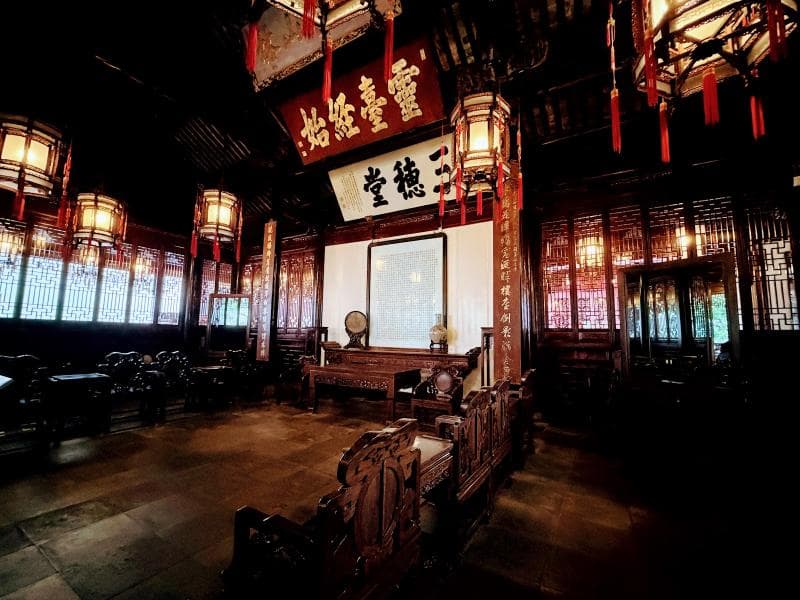
Discover Shanghai's Mid-Lake Pavilion (Huxinting Teahouse) in Yu Garden, China. Explore its rich history, unique architecture, and vibrant tea culture.
Overview
Nestled within the serene landscapes of Yu Garden in Shanghai, China, the Mid-Lake Pavilion, also known as Huxinting Teahouse, offers a captivating glimpse into the city's rich past and vibrant tea culture. This historic pavilion stands majestically in the middle of a tranquil pond, accessible by the charming, zig-zagging Bridge of Nine Turnings. It is not merely an architectural marvel; it is a living testament to Shanghai's evolution, serving as a peaceful retreat from the bustling city outside. The pavilion's traditional Chinese design, characterized by its elegant upturned eaves and intricate wooden structure, reflects centuries of craftsmanship and aesthetic principles.
As Shanghai's first commercial teahouse, the Mid-Lake Pavilion has long been a cherished gathering place, drawing scholars, artists, merchants, and even royalty through its doors. Today, it continues to welcome visitors, inviting them to savor a cup of traditional Chinese tea while soaking in the panoramic views of the garden and the contrasting modern Pudong skyline beyond. It embodies a unique blend of historical significance and enduring cultural vibrancy, making it an essential stop for any traveler seeking to understand the soul of old Shanghai.
History & Cultural Background
The origins of the Mid-Lake Pavilion trace back to the Ming Dynasty, initially conceived as the Fuyi Pavilion in 1559 by Pan Yunduan, the esteemed owner of Yu Garden. It was part of his elaborate private garden, intended as a scenic retreat for scholars.
However, its transformation into the iconic structure we see today began in 1784. At this time, a group of influential cloth merchants, led by Zhu Yunhui, collectively funded its rebuilding. They renamed it the 'Mid-Lake Pavilion' (Huxinting), and it served as a meeting place for their trade guild.
A pivotal moment in its history occurred in 1855 when it was converted into Shanghai's first commercial teahouse. This marked the beginning of its enduring legacy as a public cultural hub, a role it has maintained for over 170 years, operating continuously from its original location. Over the centuries, the pavilion underwent several expansions and renovations, notably in 1924, which added a new wing and a second floor, shaping much of its current layout. Recently, after a significant two-year restoration, the teahouse reopened in July 2025, carefully preserving its historic character while blending classical Chinese style with modern tea culture.
What Makes It Special
The Mid-Lake Pavilion stands out for several compelling reasons, solidifying its status as a cultural landmark. Firstly, its architectural ingenuity is remarkable. The pavilion is constructed entirely of wood, utilizing traditional joinery techniques with bamboo pegs instead of iron nails, showcasing ancient Chinese woodworking craftsmanship. Its exterior boasts elegant upturned eaves, dark roof tiles, and vermilion windows adorned with traditional motifs, creating a striking image that seems to float on the water.
Secondly, its location is strategically captivating. Situated in the heart of a pond, it is accessed via the famous Zigzag Bridge, or Bridge of Nine Turnings. This bridge is not just functional; its numerous turns are rooted in ancient Chinese folklore, believed to deter evil spirits who can only travel in straight lines, thus safeguarding the pavilion.
Furthermore, the Mid-Lake Pavilion is recognized as one of only three teahouses in China that have operated in their original location for over 170 years, and it is the sole one situated in a city center that is also a nationally protected cultural heritage site. This makes it a rare and invaluable guardian of Shanghai's urban memories and a bridge for cultural exchange.
Stories, Fun Facts & Local Details
Beyond its beauty and history, the Mid-Lake Pavilion holds a treasure trove of stories and local charm. One of its most famous anecdotes involves Queen Elizabeth II, who visited the teahouse in 1986. Her personal seat is reportedly preserved to this day, allowing visitors to 'touch' a piece of royal history.
Chinese literary giants, including Ba Jin, Cao Yu, and Guo Moruo, were also frequent patrons, cementing the pavilion's role as a significant cultural and intellectual gathering spot. The teahouse even incorporates traditional arts into its daily offerings, with performances like Pingtan storytelling and traditional string music, enriching the tea-drinking experience with Eastern lifestyle aesthetics.
Locally, the Mid-Lake Pavilion is often affectionately referred to as 'the first tea house of Shanghai.' Its distinct appearance, particularly its location on a pond accessed by a zig-zag bridge, is widely believed to have inspired the iconic imagery of the 'Willow Pattern' chinaware, a popular blue and white design from the 18th and 19th centuries. The recent renovation aimed to blend this deep classical heritage with modern sensibilities, offering diverse tea options, including traditional tea ceremonies and new-style Chinese tea drinks that appeal to younger generations.
Visitor Perspective
For the curious traveler, visiting the Mid-Lake Pavilion is an immersive journey into traditional Chinese culture. As you cross the distinctive Bridge of Nine Turnings, you're not just walking across a bridge; you're symbolically navigating around potential misfortunes, entering a space of peace and contemplation.
Inside, the elegant decor and antique charm evoke a sense of stepping back in time. While sipping exquisite teas, you can admire the garden scenery through its windows, taking in the picturesque koi ponds and the meticulously designed rockeries. From certain vantage points, you can even catch a view of modern Shanghai's towering skyscrapers, offering a unique juxtaposition of the city's past and present. It is a popular attraction, and particularly during peak hours, it can be bustling with activity, yet its timeless appeal ensures a memorable experience. The combination of its rich history, unique architecture, and vibrant cultural programming makes the Mid-Lake Pavilion a deeply enriching destination for anyone exploring Shanghai.
Coordinates: 121.4858, 31.2242
View on Google Maps💬 How Travelers Describe This Place
Based on community votes
Unique
886Interesting
564Must See
443Beautiful
233Photogenic
201
Traveler Stories
Discover memorable experiences shared by travelers who have visited this place.
No traveler stories yet.
Be the first traveler to share what made this place memorable.

Tour
By
Spot
Discover amazing places around the world. Your journey starts here.
Explore
© 2026 TourBySpot. All rights reserved.