Grand Rockery
Shanghai, China
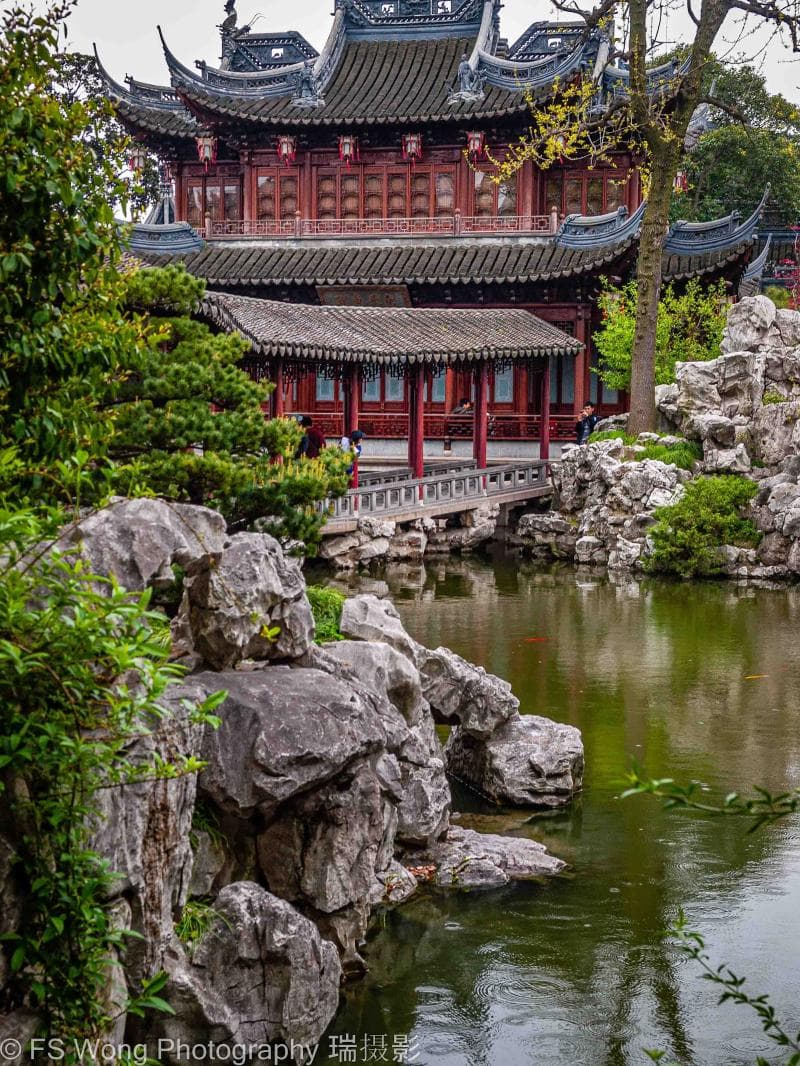
Explore the Grand Rockery, a magnificent miniature mountain in Yu Garden, Shanghai, China. Discover its Ming Dynasty history and unique design.
Overview
Nestled within the tranquil expanse of Yu Garden in Shanghai, China, lies the magnificent Grand Rockery, known locally as Dà Jiǎ Shān. This celebrated feature is a breathtaking miniature mountain range, meticulously crafted from thousands of tonnes of yellow stone. Standing at approximately 14 meters (46 feet) tall, it was once the highest point within the city during its construction. Designed to mimic natural peaks, cliffs, and winding gorges, the Grand Rockery invites visitors to explore its intricate pathways, hidden caves, and elevated viewpoints, offering panoramic vistas across the entire garden complex. It stands as a testament to classical Chinese garden design, creating a sense of vast natural landscape within a relatively compact urban setting.
History & Cultural Background
The Grand Rockery is an integral part of the historic Yu Garden, which was first built in 1559 during the Ming Dynasty by Pan Yunduan, a high-ranking official. He undertook this ambitious project as a private retreat for his aging father, Pan En, aiming to provide a place of peace and comfort. The name 'Yu Yuan' itself translates to 'Garden of Peace and Comfort' or 'Garden of Happiness,' reflecting this filial intention.
The creation of the Grand Rockery is attributed to the renowned Ming Dynasty garden designer, Zhang Nanyang (also known as Zhang Nanyan). His masterwork, using over 2,000 tonnes of Zhejiang yellow stone, was completed in the 16th century. The rockery, like the rest of Yu Garden, has witnessed centuries of history, including periods of neglect, damage during conflicts such as the Opium War and the Small Swords Society Uprising, and multiple painstaking restorations. The most comprehensive modern restoration was completed in 1961, ensuring its preservation for future generations.
What Makes It Special
What truly sets the Grand Rockery apart is its extraordinary artistry and engineering, making it one of the finest examples of classical Chinese rock garden design. It is not merely a static sculpture but a navigable landscape, a 'garden within the garden' where the journey through its winding paths and grottoes is as significant as the destination at its summit.
Crafted from massive yellow stones, the rockery features realistically sculpted peaks, deep ravines, and hidden caves, creating a dramatic sense of scale and depth. Visitors can climb to various platforms, each revealing different perspectives of the surrounding Yu Garden, with its pavilions, ponds, and distinctive dragon walls. It is considered the largest and oldest rockery of its kind south of the Yangtze River, representing a pinnacle of Ming-era landscape architecture.
Stories, Fun Facts & Local Details
The Grand Rockery is more than just a geological feature; it's a repository of cultural narratives. Its designer, Zhang Nanyang, was known for his ability to transform inert stones into vibrant, living landscapes, reflecting the Chinese philosophy of harmonizing with nature. The strategic placement of each rock and the intricate arrangement of pathways are meant to evoke the feeling of traversing a majestic mountain range, even within the confines of a city garden.
A popular spot for photography, the rockery's summit offers one of the most photographed vantage points in Yu Garden, allowing visitors to capture the garden's classical beauty. Local lore and design principles suggest that the rockery, with its caves and unexpected turns, served to create a sense of constant surprise and wonder, a key element of traditional Chinese garden aesthetics.
Visitor Perspective
For the curious traveler, visiting the Grand Rockery is an essential part of the Yu Garden experience. It offers a unique opportunity to immerse oneself in Ming Dynasty garden artistry. As you ascend the rockery, you'll discover different 'scenic sections' at every turn, each designed to captivate and delight. The climb itself is relatively gentle, providing accessible viewpoints that showcase the garden's intricate layout and diverse features.
To fully appreciate its tranquility and architectural nuances, an early morning visit on a weekday is often recommended, as this allows for a more serene experience away from larger crowds. From its heights, you can truly grasp the expansive beauty of Yu Garden, observing the interplay of water, pavilions, and plant life, all framed by the distant cityscape of Shanghai. It's an enriching journey that combines historical insight with sensory delight, making it a memorable highlight of any visit to Shanghai.
Coordinates: 121.48775, 31.22892
View on Google Maps💬 How Travelers Describe This Place
Based on community votes
Must See
797Interesting
695Unique
396Beautiful
286Photogenic
22
Traveler Stories
Discover memorable experiences shared by travelers who have visited this place.
No traveler stories yet.
Be the first traveler to share what made this place memorable.

Tour
By
Spot
Discover amazing places around the world. Your journey starts here.
Explore
© 2026 TourBySpot. All rights reserved.