Yangon Circular Railway
Yangon, Myanmar
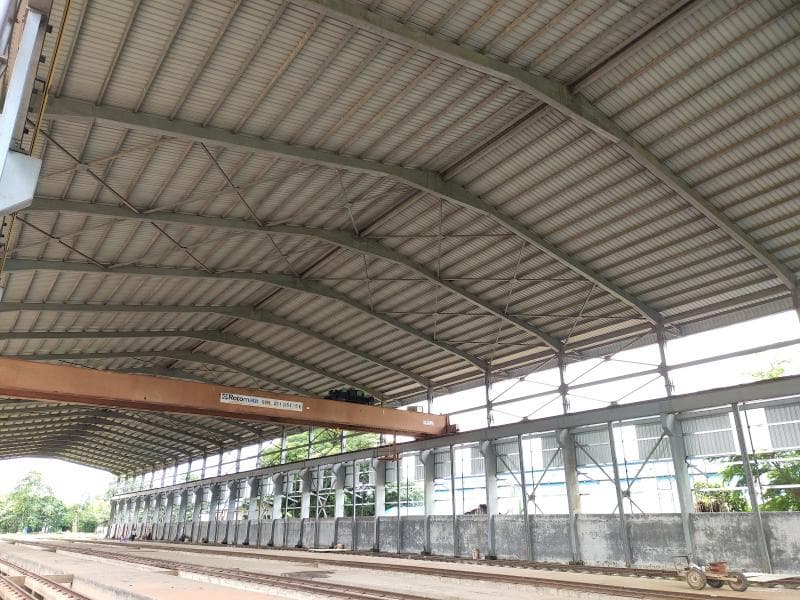
Discover the Yangon Circular Railway in Yangon, Myanmar. This authentic commuter train offers a unique 3-hour journey through local life, markets, and landscapes.
Overview
The Yangon Circular Railway, affectionately known as the Circle Train, is a local commuter rail network that intricately weaves through the vibrant metropolitan area of Yangon, Myanmar. Operated by Myanma Railways, this 45.9-kilometre (28.5 mi) loop system serves as a vital artery, connecting numerous satellite towns and suburban areas to the city center. Completing a full circuit typically takes around three hours, offering both a practical mode of transport and a unique window into local life. It is particularly crucial for lower-income commuters, standing out as one of the most affordable transportation options in Yangon. With trains departing roughly every 45 to 60 minutes from Yangon Central Railway Station, the railway historically catered to between 100,000 and 150,000 passengers daily.
History & Cultural Background
The origins of the Yangon Circular Railway trace back to the British colonial era. While the line itself was double-tracked in 1954, its foundations were laid much earlier by the British administration, making it a significant part of their railway legacy in Myanmar. Yangon's Central Railway Station, the primary embarkation point, holds its own deep history, having been first constructed in 1877, subsequently rebuilt in 1911, and finally re-established between 1947 and 1954 after suffering destruction during World War II. Culturally, the railway embodies a commitment to public service; despite operating at a financial loss, it has been deliberately subsidized by the government to ensure low ticket prices remain accessible to its vast local user base. Efforts are currently underway, with significant funding from Japan, to modernize the system, including replacing aging tracks, automating signaling, and introducing new coaches, aiming to reduce the full loop travel time significantly. The first of these CAF-built trains was delivered in February 2024.
What Makes It Special
More than just a transit system, the Yangon Circular Railway offers an unparalleled, authentic glimpse into the everyday rhythms and rich tapestry of Yangon life. As the train slowly chugs along, carriages often transform into bustling, moving marketplaces, where vendors skillfully navigate the aisles, selling everything from fresh produce and snacks to newspapers and other daily necessities. This vibrant interaction creates a unique and lively atmosphere, making the journey itself a captivating experience. Passengers witness a diverse cross-section of society – monks, street vendors, families, and commuters – all going about their daily routines, fostering a sense of shared community. The route passes through an ever-changing landscape, revealing bustling urban scenes, serene rural farmlands, local markets, and various residential areas, providing a comprehensive visual narrative of the city and its outskirts.
Stories, Fun Facts & Local Details
The trains themselves often possess a charming, antiquated character, with some coaches dating back to imports from Hungary in the 1960s or Japan in the early 21st century. While attempts were made to introduce air-conditioned carriages in 2015, they proved short-lived, with most services maintaining their open-air, unpretentious nature. This rustic appeal, combined with the often-open windows and doors, allows passengers to truly feel connected to the passing scenery and local activity. It is common to see locals hanging out of the train as it moves, transporting everything from large baskets of vegetables to small livestock to and from the markets. The journey is a sensory feast, filled with the vibrant colors of local attire like longyi, the aroma of street food, and the distinct sounds of daily commerce and chatter. Visitors might encounter children playing, women adorned with traditional thanaka paste, and men openly enjoying cheroot. For foreign visitors, tickets are typically purchased at Platform 7 of Yangon Central Railway Station, often requiring a passport for identification, and are remarkably inexpensive, reflecting the railway's role as an essential public service.
Visitor Perspective
For many travelers, a ride on the Yangon Circular Railway is considered a quintessential rite of passage when visiting Myanmar, offering a deeply authentic and immersive cultural experience. It is not a tourist attraction designed for entertainment, but rather a functioning lifeline for thousands of locals, providing an unfiltered view of daily life away from the city's more commercialized areas. The deliberate slow pace of the train encourages observation and connection, allowing travelers to absorb the sights, sounds, and interactions unfolding both inside and outside the carriages. Travelers have the flexibility to hop on and off at various stations, exploring bustling local markets like Danyingon, or simply observing the unique character of different suburban neighborhoods. Be prepared for a basic, unmodernized experience; comfort often takes a backseat to authenticity. This journey is less about reaching a destination quickly and more about the journey itself – an opportunity to engage respectfully with the local community and gain a profound understanding of Yangon's enduring spirit.
Coordinates: 96.16111, 16.78167
View on Google Maps💬 How Travelers Describe This Place
Based on community votes
Unique
934Beautiful
449Interesting
279Photogenic
276Must See
256
Traveler Stories
Discover memorable experiences shared by travelers who have visited this place.
No traveler stories yet.
Be the first traveler to share what made this place memorable.
Things to see at Yangon Circular Railway



Tour
By
Spot
Discover amazing places around the world. Your journey starts here.
Explore
© 2026 TourBySpot. All rights reserved.