Market Stops
Yangon, Myanmar
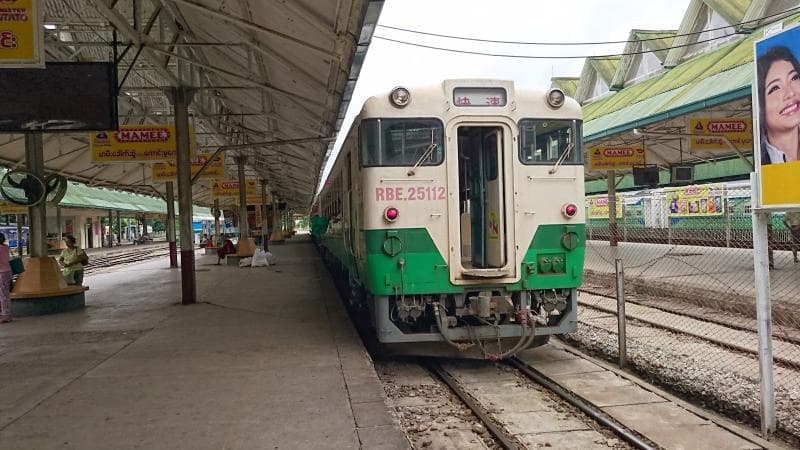
Explore the vibrant 'Market Stops' of Yangon Circular Railway in Yangon, Myanmar. Immerse yourself in local life, bustling markets, and authentic culture on this unique train journey.
Overview
The 'Market Stops' along the Yangon Circular Railway offer a captivating and authentic journey into the heart of daily life in Yangon, Myanmar. This 45.9-kilometer (28.5-mile) loop system, operated by Myanma Railways, is more than just a commuter line; it's a vibrant, moving tapestry of Burmese culture and commerce. Connecting urban centers with suburban and rural areas, the railway provides an indispensable, affordable transportation network for countless residents. A full circuit on this iconic train typically takes about three hours, traversing 39 stations, and revealing a dynamic panorama of the city and its surrounding landscapes.
Far from a typical tourist attraction, the Circular Railway is a lifeline for locals, particularly lower-income commuters, who rely on it daily to navigate the sprawling metropolis and transport their goods. The railway's unique character stems from its role as an informal marketplace, where the train carriages themselves transform into bustling hubs of trade and interaction.
History & Cultural Background
The origins of the Yangon Circular Railway trace back to the British colonial era, with the line initially constructed in the 1930s. It was later double-tracked in 1954, enhancing its capacity and reach. The journey often begins at Yangon Central Railway Station, a significant landmark in itself. Originally built in 1877 by the British to support the country's first railway line, it was tragically destroyed during World War II. The station was subsequently rebuilt and reopened in 1954, incorporating traditional Burmese architectural styles into its design. This blend of colonial heritage and local aesthetics is a recurring theme along the route, reflecting Myanmar's rich and complex history. The railway stands as a testament to the country's past, while continuously serving the evolving needs of its present-day population.
What Makes It Special
What truly sets the 'Market Stops' apart is the spontaneous and organic market culture that thrives both on and off the train. As the train ambles along, vendors fluidly hop on and off, carrying an astonishing array of products. From freshly picked produce and vibrant flowers to local snacks and traditional delicacies, the aisles of the carriages become temporary marketplaces. Passengers themselves contribute to this vibrant atmosphere, often transporting sizable bundles of goods, creating a lively and sometimes chaotic, yet always fascinating, environment. Specific stations along the loop are particularly renowned for their bustling local markets that spill out onto the platforms and adjacent areas. Stops like Insein, Danyingon, and Mingaladon Bazaar are prime examples, offering a full sensory immersion into Burmese daily life with their sights, sounds, and aromas. Here, one can witness the rhythm of local commerce firsthand, observing everything from the trade of agricultural products to handmade crafts.
Stories, Fun Facts & Local Details
The Yangon Circular Railway is affectionately known as 'the slow train', a moniker that hints at its unhurried pace and the opportunities it offers for observation and connection. It's a place where genuine interactions unfold, transcending language barriers as commuters, monks, street vendors, and travelers share stories and smiles. A fun detail for visitors is the incredibly low cost of a ticket, making it one of the most economical ways to experience Yangon. This affordability is a deliberate government policy to subsidize travel for its citizens. Onboard, one can savor authentic Burmese street food offered by mobile vendors, providing a culinary insight into local traditions. It is not uncommon to see open train doors, allowing for refreshing breezes and unique vantage points of the passing scenery. Keep an eye out for women and children adorned with Thanaka paste, a traditional Burmese cosmetic known for its cooling and sun-protective properties, deeply embedded in the local culture. Despite crowded conditions, the atmosphere on the train is often described as warm and lighthearted, fostering a sense of community among passengers.
Visitor Perspective
For any curious traveler, a journey along the Yangon Circular Railway, with its vibrant 'Market Stops', is considered an essential experience. It offers an unparalleled 'glimpse of local life', providing a deep dive into the everyday existence of the Burmese people. This isn't a curated tourist experience, but rather an unfiltered view of genuine urban and rural routines. Travelers have the freedom to hop on and off at various stations, exploring the surrounding markets and neighborhoods at their own pace. While the train itself may lack modern comforts and luxury, its character and the sheer authenticity of the experience are its greatest charms. It presents abundant opportunities for people-watching, candid photography, and an immersive cultural encounter that remains etched in memory long after the journey ends. The sights, sounds, and interactions along these 'Market Stops' are a testament to the enduring spirit and bustling life of Yangon.
Coordinates: 96.16111, 16.78167
View on Google Maps💬 How Travelers Describe This Place
Based on community votes
Unique
971Beautiful
594Must See
301Photogenic
149Interesting
141
Traveler Stories
Discover memorable experiences shared by travelers who have visited this place.
No traveler stories yet.
Be the first traveler to share what made this place memorable.

Tour
By
Spot
Discover amazing places around the world. Your journey starts here.
Explore
© 2026 TourBySpot. All rights reserved.