Insein Station
Yangon, Myanmar
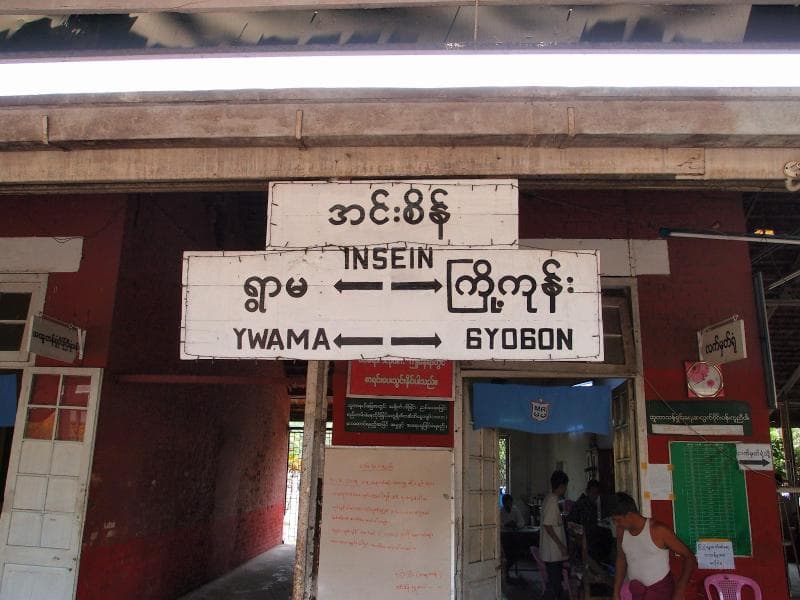
Discover Insein Station on the Yangon Circular Railway in Yangon, Myanmar. Explore its colonial history, vibrant local markets, and authentic daily life.
Overview
Insein Station, nestled within the bustling Insein Township of Yangon, Myanmar, serves as a significant stop along the historic Yangon Circular Railway. It is far more than just a transit point; it's a vibrant hub where daily life unfolds, offering travelers an authentic glimpse into the rhythms of suburban Yangon. This station embodies a unique blend of historical architecture and a lively local atmosphere, acting as a crucial artery for thousands of commuters and vendors each day.
Situated about nine miles from Yangon Central Station, Insein is strategically important on the double-track section of the line to Pyay, and also for trains on the Circular Line.
History & Cultural Background
The roots of Insein Station and the broader railway system in Myanmar stretch back to the British colonial era. Rail transport was first introduced in May 1877, with the opening of the Yangon to Pyay line, which passed through Insein. The station itself was constructed in the early 20th century, showcasing a colonial architectural style that still defines its appearance today.
The Yangon Circular Railway, a 45.9-kilometer (28.5 mi) loop system connecting satellite towns and suburban areas to the city, was initially built in the 1930s by the British and saw its line double-tracked in 1954. Insein became a pivotal location, housing the Locomotive Works and Carriage Works, underscoring its industrial importance during the railway's development. The railway infrastructure, though showing its age, remains a testament to Myanmar's colonial past and its enduring utility.
What Makes It Special
What truly sets Insein Station apart is its untouched authenticity, providing an experience far removed from typical tourist attractions. Unlike modern, pristine transit hubs, Insein offers a rustic charm that resonates with its role as a vital link for Burmese commuters and vendors. It's a bustling transportation hub, serving not only local commuters but also long-distance travelers heading to destinations like Mandalay and Bagan.
The station itself, a modest colonial-era structure with faded green paint, connects travelers directly to Insein Market, one of Yangon's great suburban markets. Here, a vibrant market unfolds with an explosion of colors, sounds, and scents, offering fresh produce, tantalizing street food, and unique handicrafts. This vibrant market, particularly lively during morning or evening rush hours, is where local life truly flourishes, giving visitors a genuine insight into the daily routines of Yangon's residents.
Stories, Fun Facts & Local Details
A ride on the Yangon Circular Railway, passing through Insein Station, is often described as a 'slow train' journey—a rolling portrait of everyday life. The open windows offer glimpses of backyards, vegetable gardens, and the dynamic street scenes as vendors hop on and off with trays of samosas and tamarind sweets. The station's platforms, though appearing run-down, are often described as relatively clean and equipped with mud pots of water for passengers.
Insein Township itself boasts a rich demographic tapestry of Bamar, Indian, and Karen communities, which is reflected in its diverse food landscape and cultural practices. You might encounter mohinga stalls next to roti shops, with the smells of fish paste intermingling with cardamom. The area also holds historical weight; Insein Prison, notorious in the country's history for holding political prisoners, is located nearby, and while not open to visitors, its imposing architecture serves as a poignant reminder of Myanmar's complex past.
Visitor Perspective
For a curious traveler, experiencing Insein Station means embracing the local way of life. Boarding the Circular Railway here often means emptier carriages and a more relaxed pace than starting from downtown, allowing for a more immersive experience. Visiting during morning or evening rush hours is recommended for a truly lively atmosphere, witnessing thousands of commuters going about their day.
Exploring Insein Market is a must to engage with friendly vendors, sample local delicacies, and perhaps find unique souvenirs. Travelers can also wander the residential streets east of the market to discover old bungalow streets with colonial-era teak bungalows, offering a glimpse into an earlier time. The opportunity to connect with locals and observe their daily lives, whether on the train or in the market, makes a visit to Insein Station a deeply meaningful cultural encounter in Yangon.
Coordinates: 96.098, 16.8927
View on Google Maps💬 How Travelers Describe This Place
Based on community votes
Interesting
984Beautiful
856Photogenic
848Must See
711Unique
143
Traveler Stories
Discover memorable experiences shared by travelers who have visited this place.
No traveler stories yet.
Be the first traveler to share what made this place memorable.

Tour
By
Spot
Discover amazing places around the world. Your journey starts here.
Explore
© 2026 TourBySpot. All rights reserved.