Rural Sections
Yangon, Myanmar
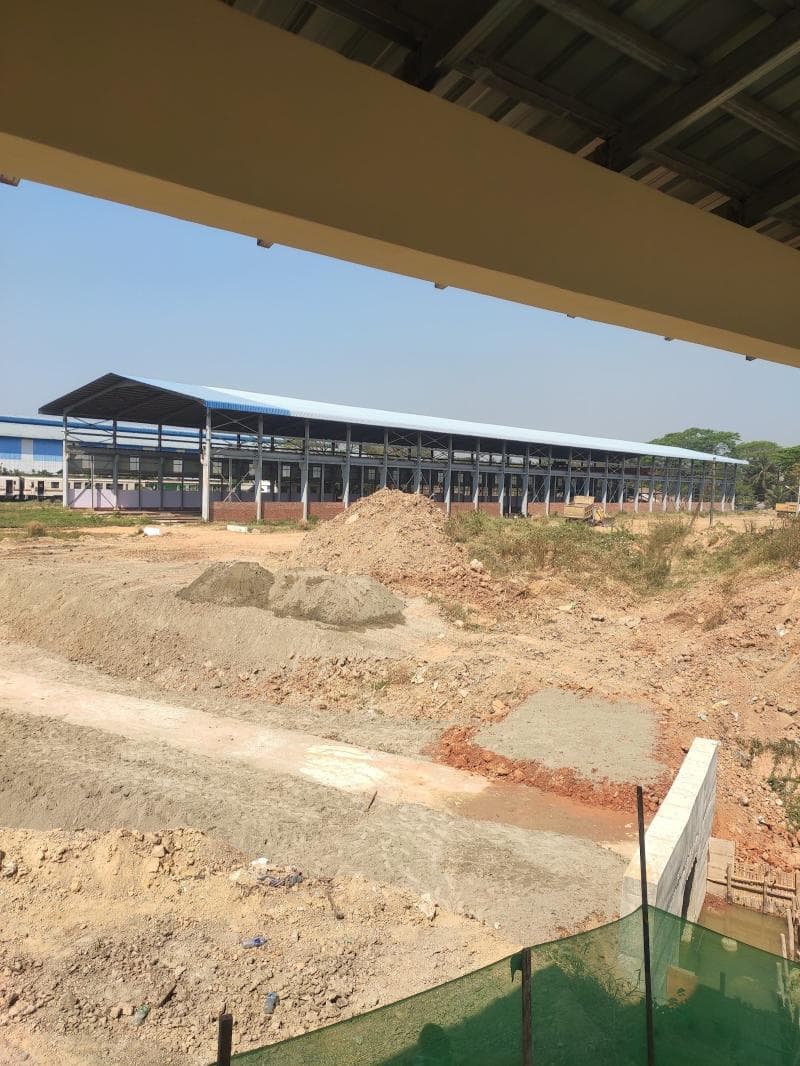
Discover the Rural Sections of the Yangon Circular Railway in Yangon, Myanmar, for an authentic glimpse into local life and scenic countryside.
Overview
The rural sections of the Yangon Circular Railway offer a captivating journey through the authentic heartland surrounding Yangon, Myanmar. This iconic 45.9-kilometer loop connects the city's economic hub with its sprawling suburban and rural towns, providing a vital transportation link for daily commuters and an extraordinary window into local life for visitors. The entire circuit, which typically takes about three hours to complete, gradually transitions from bustling urban landscapes to serene, picturesque countryside. As the train slowly chugs along, passengers witness a vibrant tapestry of life, making it a unique way to experience the diverse rhythms of Yangon.
History & Cultural Background
The Yangon Circular Railway system has deep historical roots, with its construction dating back to British colonial times in the 1930s. The double-track railway was put into use in 1954, connecting various parts of Yangon and its outlying areas. It was established to serve the burgeoning metropolitan area, linking satellite towns and suburban communities to the city center. Culturally, the railway is much more than just a mode of transport; it's an enduring institution, heavily utilized by lower-income commuters who rely on it as one of the most affordable ways to travel within Yangon. This continuous daily flow of people and goods highlights its integral role in the economic and social fabric of the region.
What Makes It Special
What truly sets the rural sections apart is the dramatic shift in scenery and atmosphere. As the train leaves the city's concrete embrace, the view transforms into lush green fields, traditional villages, and agricultural lands. Travelers observe farmers tending their crops, villagers going about their daily routines, and markets bustling with local produce. This unfiltered glimpse into a simpler, more traditional way of life is a stark contrast to the urban energy of downtown Yangon. The slow pace of the train allows for an intimate observation of these rural vignettes, revealing the strong connection Myanmar's people have to their land and its bounty.
Stories, Fun Facts & Local Details
The Yangon Circular Railway is a moving stage for everyday stories. One of its most charming aspects is the constant activity of vendors who hop on and off, selling everything from fresh produce and street food to local handicrafts. Passengers engage in lively conversations, often sharing stories and a sense of camaraderie that transcends language barriers. It's common to see people transporting oversized loads of goods, from massive bundles of vegetables to livestock, underscoring the train's vital function in local commerce. The affordability of tickets, sometimes just a few hundred Kyat, makes it an accessible and essential service for countless residents. This railway offers a unique 'time travel' experience, reflecting the enduring traditions of Myanmar.
Visitor Perspective
For visitors, a ride on the rural sections of the Yangon Circular Railway is an immersive cultural experience rather than merely a sightseeing tour. Expect a slow and often bumpy journey on older trains, some without air conditioning, but this contributes to its authenticity. The best time to experience it is often in the early morning to avoid the midday heat and witness the bustling commute. It's an unparalleled opportunity to interact with friendly locals, observe their daily lives up close, and capture candid photographs of Myanmar's diverse people and landscapes. While you can hop on and off at various stations, many recommend completing the full three-hour loop to fully appreciate the transition from urban to rural life. It's a journey that provides profound insights and lasting memories of Myanmar.
Coordinates: 96.15611, 16.80528
View on Google Maps💬 How Travelers Describe This Place
Based on community votes
Photogenic
997Unique
523Interesting
231Beautiful
149Must See
141
Traveler Stories
Discover memorable experiences shared by travelers who have visited this place.
No traveler stories yet.
Be the first traveler to share what made this place memorable.

Tour
By
Spot
Discover amazing places around the world. Your journey starts here.
Explore
© 2026 TourBySpot. All rights reserved.