Local Vendors
Yangon, Myanmar
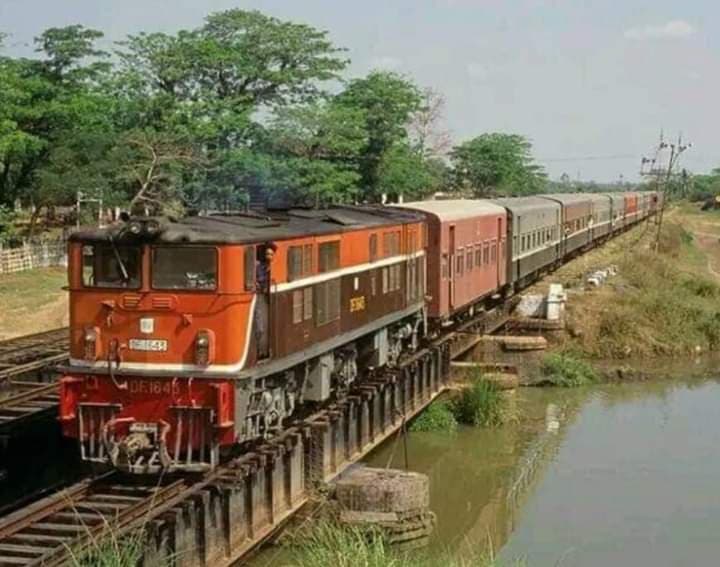
Explore the vibrant local vendors of the Yangon Circular Railway in Yangon, Myanmar. Discover a unique moving market offering authentic Burmese culture.
Overview
The Yangon Circular Railway offers a profound and authentic glimpse into the daily rhythm of life in Yangon, Myanmar. More than just a mode of transport, this 45.9-kilometer loop system, with its 39 stations, functions as a vibrant, moving marketplace. It is here that local vendors, an essential part of the journey, transform the train carriages and station platforms into bustling bazaars. As the train meanders through urban landscapes and rural outskirts, passengers encounter an array of hawkers selling everything from fresh produce to local delicacies, making each ride a unique cultural immersion.
This railway is a lifeline for many lower-income commuters, connecting satellite towns and suburban areas to the city center. It’s a place where the ordinary acts of commuting and commerce intertwine, providing an unfiltered view of Burmese society. Visitors to the circular railway are not just observers; they become part of a dynamic system where interactions with local vendors are as much a part of the experience as the changing scenery outside the window.
History & Cultural Background
The Yangon Circular Railway system traces its origins back to British colonial rule, with its initial construction during the 1930s. The double-tracked line, as it largely exists today, was established in 1954.
Historically, the railway was designed to connect the city's economic hub with its surrounding rural areas and nascent towns. Over decades, it evolved into the primary and most affordable transport option for residents, especially those commuting from the city's periphery. This affordability, partly due to government subsidies keeping ticket prices low, has cemented its role as a vital artery for daily life.
Culturally, the train symbolizes continuity and resilience. Despite its aging infrastructure, the railway has steadfastly served generations, facilitating not only the movement of people but also the trade of goods. It represents a shared public space where various segments of society—from farmers and factory workers to monks and street vendors—converge, creating a microcosm of Myanmar's diverse populace.
What Makes It Special
The most distinctive feature of the Yangon Circular Railway experience is the omnipresence and ingenuity of its local vendors. Unlike typical train journeys, this is a 'market on the move' where commerce is conducted directly within the train's carriages and on the platforms of its 39 stations.
Vendors, often with years of practiced skill, expertly navigate the slow-moving trains, balancing trays of goods on their heads or carrying large baskets. They offer an astonishing variety of items, ranging from seasonal fruits and fresh vegetables to prepared snacks, sweet milky tea (lapea yea), chewing tobacco (betel nut), and even small household items.
The train's unhurried pace, averaging about 20.3 kilometers per hour, allows for these lively transactions and fosters genuine interactions between passengers and sellers. At busier stops, particularly Danyingon Market, the platforms erupt into a riot of color and sound, with hundreds of vendors lining the tracks. This integrated market environment transforms a simple train ride into a dynamic, sensory-rich journey through the heart of Burmese culture.
Stories, Fun Facts & Local Details
Many vendors display remarkable skill, hopping on and off the train even as it is still in motion, carrying their wares with impressive agility. It is not uncommon to see women balancing entire kitchens on their heads, ready to assemble a fresh meal on demand for hungry travelers. If a passenger desires something, a simple signal brings the vendor over, who will then set down their stool, take their tray off their head, and prepare the item right there in the carriage.
A particularly notable stop for market activity is Danyingon Station. Here, a large, teeming market spills out right beside the tracks, offering everything from freshly shucked bamboo shoots and earthy taro to chiles and leafy greens. Farmers from surrounding villages use the railway to transport their produce to sell at these markets or directly on the train, providing an essential economic link for many. The scene at Danyingon is often described as chaotic but utterly captivating, a true photographer's feast of local life.
The sense of community on the train is palpable. Passengers often share conversations, and there's a relaxed atmosphere, despite the crowds. It's a place where monks, families, and business people ride alongside farmers and street vendors, illustrating a unique social tapestry.
Visitor Perspective
For a curious traveler, the Yangon Circular Railway and its local vendors offer an unparalleled opportunity for cultural immersion. This isn't a curated tourist attraction; it is daily life unfolding. The slow journey allows ample time to observe, absorb, and even participate in the vibrant marketplace atmosphere.
Embrace the sensory overload: the vibrant colors of fresh produce, the tantalizing aromas of street food, and the lively chatter of vendors and commuters. Engaging with the vendors, even with simple gestures, can be a rewarding experience, providing a direct connection to the local populace. While English signage is scarce, the warmth and hospitality of the Burmese people often bridge language barriers.
Taking this journey means witnessing the true heartbeat of Yangon—a city where tradition and everyday needs are met in the most organic and fascinating ways, all aboard a charmingly antiquated train. It's an adventure that promises a collection of meaningful memories and a deeper understanding of Myanmar's rich cultural fabric.
Coordinates: 96.16111, 16.78167
View on Google Maps💬 How Travelers Describe This Place
Based on community votes
Must See
997Unique
785Photogenic
571Interesting
546Beautiful
103
Traveler Stories
Discover memorable experiences shared by travelers who have visited this place.
No traveler stories yet.
Be the first traveler to share what made this place memorable.

Tour
By
Spot
Discover amazing places around the world. Your journey starts here.
Explore
© 2026 TourBySpot. All rights reserved.