Vietnam Museum Of Ethnology
Hanoi, Vietnam
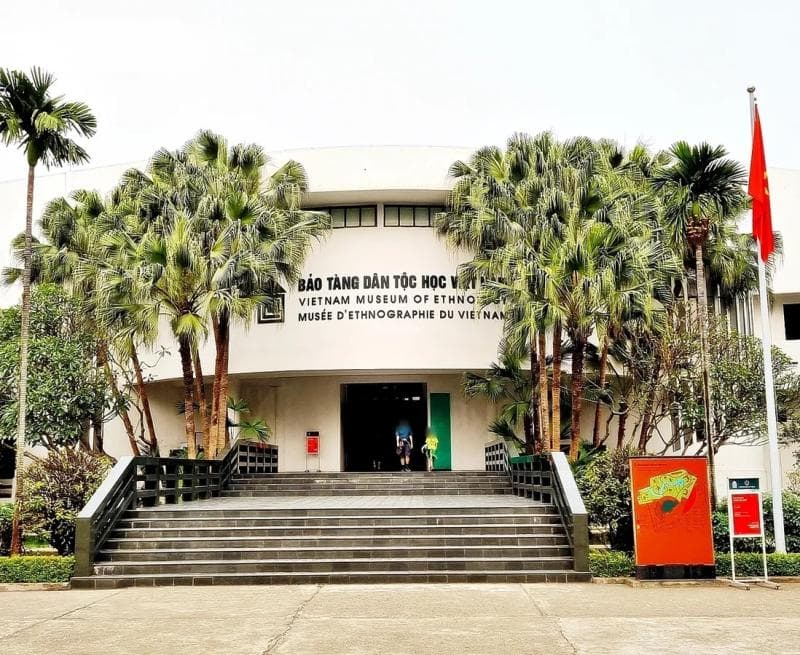
Explore Vietnam Museum of Ethnology in Hanoi, Vietnam, to discover the rich cultures, traditions, and daily lives of 54 ethnic groups. An immersive cultural journey awaits.
Overview
The Vietnam Museum of Ethnology, located in Hanoi, Vietnam, offers an insightful journey into the rich tapestry of cultures that define the nation. Situated in the Cầu Giấy District, approximately 8 kilometers from the city center, this esteemed institution is dedicated to preserving, researching, and exhibiting the cultural heritage of Vietnam's 54 officially recognized ethnic groups. The museum is thoughtfully divided into three main exhibition areas: the multi-story indoor Bronze Drum Building, the expansive outdoor exhibition area featuring life-size traditional houses, and a dedicated section for Southeast Asian ethnology.
As a member of the Vietnam Academy of Social Sciences, the museum serves as both a public exhibition space and a vital center for ethnographic research, contributing significantly to the understanding and appreciation of Vietnam's diverse communities.
History & Cultural Background
The establishment of the Vietnam Museum of Ethnology was a significant national undertaking, officially approved on December 14, 1987. Construction commenced shortly thereafter, spanning from 1987 to 1995, culminating in its grand opening to the public on November 12, 1997. The design of the main exhibition hall, known as the Bronze Drum Building, is a striking representation of Vietnamese heritage, conceived by the Tày ethnic architect Ha Duc Linh and inspired by the ancient Đông Sơn bronze drums, a powerful symbol of Vietnamese civilization.
The interior architecture was crafted by French architect Véronique Dollfus, blending traditional motifs with modern museum practices. Later, in 2013, a second exhibition building dedicated to Southeast Asian ethnology was opened, its unique kite-like design symbolizing aspirations and freedom. The museum's core mission from its inception has been to foster cultural understanding, preserve traditions, and promote the unique identities of Vietnam's ethnic mosaic.
What Makes It Special
What truly sets the Vietnam Museum of Ethnology apart is its immersive approach to cultural education. Inside the Bronze Drum Building, visitors can explore a vast collection of over 15,000 artifacts. These exhibits showcase traditional costumes, intricate jewelry, musical instruments, everyday tools, and sacred religious objects, each thoughtfully arranged to represent the distinct cultures, histories, and daily lives of Vietnam's ethnic groups. Interactive displays and documentary videos further enrich the experience, providing deeper insights into languages, customs, and spiritual practices.
The outdoor exhibition area is perhaps the museum's most compelling feature. Here, visitors can wander through beautifully reconstructed, life-size traditional houses from various ethnic groups, including the Tày stilt houses, Ede longhouses, and Bahnar communal houses. These structures offer an authentic glimpse into diverse architectural styles and ways of life, allowing visitors to step inside and experience these unique dwellings firsthand. Additionally, the museum features a dedicated Southeast Asia exhibition, broadening its scope to highlight the rich cultural traditions and cross-cultural connections with neighboring countries.
Stories, Fun Facts & Local Details
The museum is full of fascinating details that bring the cultures to life. For instance, when exploring the outdoor houses, you might find yourself climbing a slanted wooden ladder, much like the original inhabitants would have, and it's customary to remove your shoes before entering, offering a taste of traditional etiquette. Architect Ha Duc Linh, who designed the main building, is himself a member of the Tày ethnic group, bringing an authentic perspective to the museum's design.
On weekends, visitors can often enjoy traditional Vietnamese water puppet shows performed in a dedicated outdoor pond, a delightful art form deeply rooted in rural Vietnamese life. The museum also frequently hosts lively cultural festivals, such as the Lunar New Year Festival (Tết), featuring folk performances and traditional games, alongside hands-on workshops for pottery, weaving, and bamboo dancing. The scenic outdoor grounds, with their authentic village settings, have also become a popular backdrop for wedding photography, adding a charming local touch.
Visitor Perspective
Visiting the Vietnam Museum of Ethnology is an enriching and highly recommended experience for anyone curious about the heart and soul of Vietnam. It provides an unparalleled opportunity to understand the country's profound cultural diversity in an accessible and engaging manner. Many travelers find it to be one of Hanoi's most rewarding cultural attractions, offering a break from the city's bustling pace. The museum's thoughtfully curated exhibits, both indoors and outdoors, create an immersive environment where stories of traditions, beliefs, and daily life unfold before your eyes. It is particularly valuable for those who may not have the opportunity to travel to the remote regions where many of Vietnam's ethnic minorities reside. Allowing for about two to three hours, a visit here offers a memorable journey into the vibrant human mosaic that defines Vietnam.
Coordinates: 105.7987, 21.0406
View on Google Maps💬 How Travelers Describe This Place
Based on community votes
Beautiful
934Must See
741Unique
276Interesting
30Photogenic
16
Traveler Stories
Discover memorable experiences shared by travelers who have visited this place.
No traveler stories yet.
Be the first traveler to share what made this place memorable.
Things to see at Vietnam Museum Of Ethnology



Tour
By
Spot
Discover amazing places around the world. Your journey starts here.
Explore
© 2026 TourBySpot. All rights reserved.