Southeast Asia Gallery
Hanoi, Vietnam
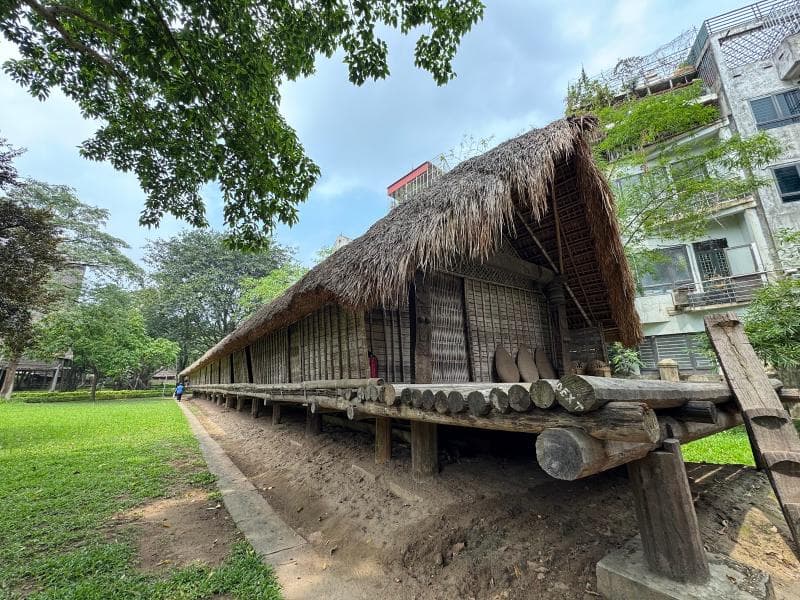
Explore the Southeast Asia Gallery at the Vietnam Museum of Ethnology in Hanoi, Vietnam, showcasing the diverse cultures of the wider region.
Overview
Deep within the expansive grounds of the Vietnam Museum of Ethnology in Hanoi lies a unique and insightful space known as the Southeast Asia Gallery, often referred to as the Kite Building due to its distinctive architectural design. Opened in 2013, this dedicated exhibition area extends the museum's primary focus beyond Vietnam's 54 diverse ethnic groups to encompass the rich tapestry of cultures found across the broader Southeast Asian region. It serves as a vital bridge, connecting Vietnamese ethnology with the shared heritage and distinctive traditions of its neighboring countries.
The gallery offers a compelling exploration of cultural similarities and differences, showcasing artifacts, traditional clothing, and art from nations such as Laos, Thailand, Indonesia, and Myanmar. Visitors can immerse themselves in the intricate details of regional life, from everyday objects to ceremonial attire, gaining a deeper understanding of the influences that have shaped this vibrant part of the world.
History & Cultural Background
The Vietnam Museum of Ethnology itself was established with the goal of preserving and presenting the cultural heritage of Vietnam's numerous ethnic groups, opening its main exhibition to the public in 1997. As the museum evolved, its vision expanded to include a regional perspective, recognizing the interconnectedness of cultures within Southeast Asia. The proposal for the museum was officially approved in 1987, with construction of the main 'Bronze Drum' building concluding in 1995.
The subsequent addition of the Southeast Asia Gallery, or Kite Building, in 2013 marked a significant expansion, allowing the museum to fulfill its intention of presenting the cultures and civilizations of other countries in the region. This development underscores the understanding that while each nation boasts unique traditions, they are also part of a larger, interwoven cultural landscape influenced by centuries of trade, migration, and shared beliefs.
What Makes It Special
What truly sets the Southeast Asia Gallery apart is its comparative approach to cultural presentation. Unlike many national museums that focus solely on their own country's heritage, this gallery explicitly highlights the dialogues and distinctions between Vietnamese cultures and those of its neighbors. It allows visitors to draw parallels and appreciate the nuances in art forms, religious practices, and social structures across the region.
The building's unique kite-shaped architecture is not just aesthetically pleasing but also symbolic, representing the aspiration to soar beyond national borders and embrace a wider regional identity. Inside, the exhibitions are thoughtfully curated with rotating thematic displays and multimedia presentations, making the exploration of complex cultural themes engaging and accessible for all ages. It's a place where history feels alive, and traditions are celebrated through tangible and interactive exhibits.
Stories, Fun Facts & Local Details
While the main museum's outdoor area features full-scale traditional houses from various Vietnamese ethnic groups, providing a hands-on experience of indigenous architecture, the Southeast Asia Gallery complements this with an intellectual journey through regional ethnography. Imagine discovering a traditional garment from Laos that shares striking similarities in weaving techniques with a textile from a Vietnamese highland community, or learning how ancient animistic beliefs in Indonesia resonate with practices still found in parts of Myanmar. These connections weave a compelling narrative of shared human experience.
The gallery's role in fostering appreciation for Southeast Asian diversity makes it a crucial educational hub. It's not just a collection of objects; it's a window into the daily lives, spiritual beliefs, and artistic expressions of millions of people. For a curious traveler, it's an opportunity to connect with the living heritage of a dynamic region, understanding the subtle ways history has shaped identities and traditions across national lines.
Visitor Perspective
Visiting the Southeast Asia Gallery offers a rewarding experience for anyone interested in culture and history. After exploring the detailed exhibits on Vietnam's ethnic groups in the main Bronze Drum Building and perhaps venturing into the outdoor architectural garden, the Kite Building provides a broader context. It encourages a reflective view of how different cultures coexist and influence one another within the Southeast Asian sphere.
The exhibitions are designed to be informative without being overwhelming, with clear explanations accompanying the diverse array of artifacts. It's a place where one can spend hours piecing together the vibrant mosaic of the region's heritage. The museum itself is well-regarded for its thoughtful curation and engaging presentations, making the entire visit, including the Southeast Asia Gallery, a highlight for many travelers to Hanoi. It offers a meaningful cultural deep-dive, far removed from purely tourist-centric attractions, leaving visitors with a richer appreciation for the intricate beauty of Southeast Asian traditions.
Coordinates: 105.7987, 21.0406
View on Google Maps💬 How Travelers Describe This Place
Based on community votes
Beautiful
921Interesting
831Unique
232Photogenic
211Must See
147
Traveler Stories
Discover memorable experiences shared by travelers who have visited this place.
No traveler stories yet.
Be the first traveler to share what made this place memorable.

Tour
By
Spot
Discover amazing places around the world. Your journey starts here.
Explore
© 2026 TourBySpot. All rights reserved.