Folk Artifact Displays
Hanoi, Vietnam
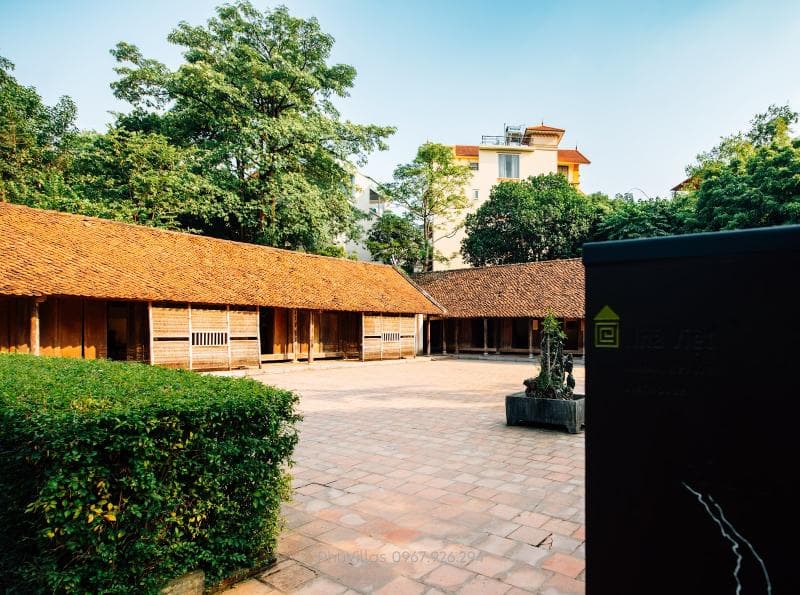
Explore the Folk Artifact Displays at the Vietnam Museum of Ethnology in Hanoi, Vietnam, showcasing the rich cultural heritage of 54 ethnic groups.
Overview
Nestled in the vibrant city of Hanoi, Vietnam, the Vietnam Museum of Ethnology stands as a profound tribute to the nation's rich tapestry of cultures. Established in November 1997, this esteemed institution is dedicated to preserving, researching, and exhibiting the cultural heritage of Vietnam's 54 officially recognized ethnic groups. More than just a collection of objects, the museum offers a comprehensive insight into the daily lives, traditions, and stories that define these diverse communities.
Located on Nguyen Van Huyen Street in the Cau Giay District, approximately eight kilometers from Hanoi's bustling Old Quarter, the museum is easily accessible for curious travelers. It serves both as a public museum and a significant center for ethnographic research, collecting oral histories, supporting academic studies, and organizing exhibitions that highlight the evolution of traditions in modern Vietnam. The museum houses an impressive collection of over 15,000 artifacts, complemented by more than 42,000 photographs, audiotapes, and videotapes, providing a rich, multimedia exploration of Vietnamese culture.
History & Cultural Background
Vietnam's identity is deeply rooted in its multi-ethnic composition, comprising 54 distinct groups, each with unique languages, customs, and lifestyles. Recognizing the imperative to safeguard and celebrate this invaluable cultural mosaic, the Vietnamese government initiated the establishment of the Vietnam Museum of Ethnology. The proposal was officially approved in 1987, with construction commencing shortly thereafter and culminating in its grand opening in November 1997.
The museum's main exhibition building, known as the Bronze Drum Building, is a striking architectural marvel designed by Ha Duc Linh, a member of the Tay ethnic group. Its design is symbolically inspired by the ancient Dong Son bronze drum, a powerful emblem of Vietnam's rich heritage and artistic ingenuity. This thoughtful design immediately connects visitors to a profound aspect of Vietnamese history even before they step inside. Beyond its public displays, the museum's core mission extends to rigorous scientific research, inventorying, and the preservation and restoration of the historical and cultural values of all 54 Vietnamese ethnic groups, contributing significantly to national pride and solidarity.
What Makes It Special
What truly sets the Folk Artifact Displays at the Vietnam Museum of Ethnology apart is its holistic and immersive approach to cultural understanding. Unlike many museums that merely present static displays, this institution combines extensive indoor galleries with a remarkable open-air exhibition. The indoor collections feature a vast array of traditional costumes, intricate jewelry, musical instruments, practical farming tools, and everyday household items, each telling a story of resilience and creativity. Labels in Vietnamese, English, and French ensure that visitors can fully grasp the cultural narratives behind each artifact.
The outdoor exhibition, often considered a highlight, transports visitors into the living heritage of Vietnam's ethnic minorities. Here, life-size, meticulously reconstructed traditional houses from various groups, such as the Tay stilt houses, Ede longhouses, and Bahnar communal houses, stand proudly. These structures were often built by ethnic artisans themselves, guaranteeing authenticity and offering a tangible sense of traditional daily life. Furthermore, the museum expands its scope with a dedicated Southeast Asia exhibit, exploring cultural similarities and differences with neighboring countries through artifacts and interactive displays, thereby fostering a broader regional understanding.
Stories, Fun Facts & Local Details
The Folk Artifact Displays are brimming with stories and cultural nuances that paint a vivid picture of Vietnam's ethnic diversity. The very architecture of the Bronze Drum Building, echoing the ancient Dong Son civilization, symbolizes a deep connection to the nation's historical roots and artistic achievements. Moving outdoors, the traditional houses are not just buildings; they are narratives in themselves. For instance, the Tay stilt houses, raised on wooden pillars, are ingeniously designed to adapt to environmental challenges like seasonal floods, reflecting generations of practical wisdom. The Ede longhouses, stretching impressively, offer a glimpse into their matrilineal social structures, housing extended families under one roof.
Visitors can also discover artifacts that reveal unique cultural practices. Imagine the elaborate betel nut kits, integral to traditional customs and ceremonies, or the intricate bamboo lunar calendars that illustrate ancient timekeeping methods of groups like the Muong. The museum's collection includes everything from traditional baskets and bamboo water containers to ceremonial cake molds, each piece showcasing the ingenuity and artistry embedded in everyday life. Beyond static displays, the museum frequently hosts lively cultural events, including traditional music and dance performances, craft demonstrations (like weaving or pottery-making), and engaging folk games such as throwing 'con' or swinging. These dynamic activities bring the artifacts to life, allowing visitors to connect with the living heritage and appreciate the skills passed down through generations.
Visitor Perspective
A visit to the Folk Artifact Displays within the Vietnam Museum of Ethnology promises an enriching and engaging experience for all ages. Travelers often find themselves spending a rewarding two to three hours exploring both the indoor galleries and the expansive outdoor architectural park. Weekdays typically offer a quieter atmosphere, while weekends might present opportunities for live performances or workshops, adding an extra layer of vibrancy to the visit. To enhance understanding, audio guides are available, providing deeper insights into the exhibits.
The museum is designed to be accessible and interactive, fostering a deeper appreciation for Vietnam's cultural heritage. Children and adults alike can participate in various workshops and craft demonstrations, gaining hands-on experience with traditional arts like weaving, pottery, or bamboo carving. Before departing, visitors can browse the museum's gift shop, which offers authentic products crafted by ethnic minorities, thereby supporting local artisans and helping to preserve traditional craftsmanship. The beautifully landscaped outdoor spaces, with peaceful gardens, also provide serene spots for relaxation and reflection after an immersive cultural journey. Many travelers consider it a 'must-visit' destination in Hanoi for anyone seeking to understand the country's diverse cultural soul.
Coordinates: 105.7987, 21.0402
View on Google Maps💬 How Travelers Describe This Place
Based on community votes
Interesting
847Unique
685Photogenic
513Beautiful
433Must See
211
Traveler Stories
Discover memorable experiences shared by travelers who have visited this place.
No traveler stories yet.
Be the first traveler to share what made this place memorable.

Tour
By
Spot
Discover amazing places around the world. Your journey starts here.
Explore
© 2026 TourBySpot. All rights reserved.