Tay Stilt House
Hanoi, Vietnam
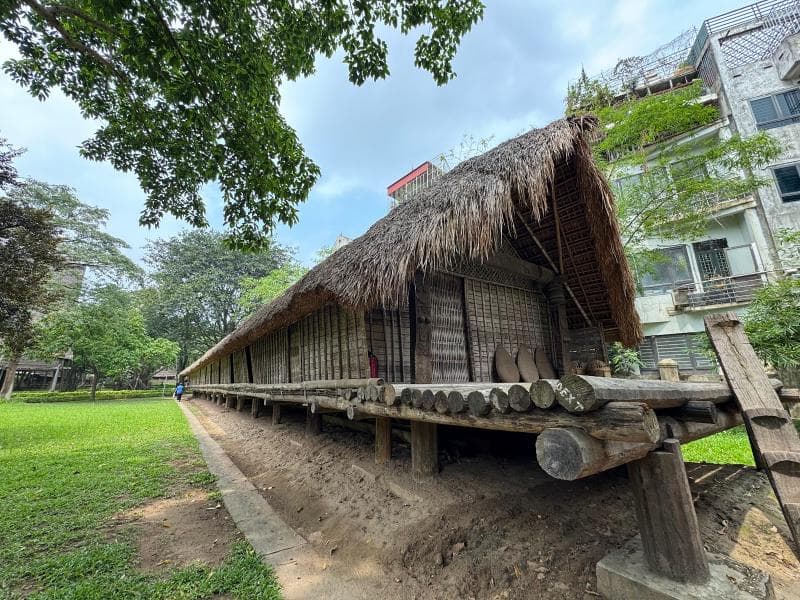
Explore the Tay Stilt House at the Vietnam Museum of Ethnology in Hanoi, Vietnam, and discover the unique architecture and cultural traditions of the Tay ethnic group.
Overview
Nestled within the expansive outdoor exhibition area of the Vietnam Museum of Ethnology in Hanoi, the Tay Stilt House offers a captivating glimpse into the traditional life and architectural ingenuity of the Tay ethnic group. As one of Vietnam's largest ethnic minorities, the Tay people have a rich cultural heritage, and their unique stilt houses are a profound reflection of their customs and adaptation to the natural environment. This life-sized replica is meticulously crafted, providing visitors with an immersive and authentic experience of Tay domestic life.
History & Cultural Background
The Tay people are among the oldest ethnic groups in northern Vietnam, having settled in fertile valleys near watercourses centuries ago. Their traditional stilt houses, or 'nhà sàn', were originally designed as practical solutions to environmental challenges, offering protection from seasonal floods and wild animals. The specific Tay house displayed at the Vietnam Museum of Ethnology was originally built in 1967 and belonged to the family of Mr. Dao The Dien in Tham Roc village, Thai Nguyen province. In a testament to cultural preservation and authenticity, it was carefully reconstructed at the museum in 1999 by a team of twelve Tay artisans from the same region, ensuring that traditional building techniques and spirit were maintained.
What Makes It Special
The Tay Stilt House is a marvel of traditional Vietnamese architecture, showcasing ingenious construction methods and a deep understanding of natural materials. The house sits on stilts approximately 1.8 meters (nearly six feet) high, elevating the living space above ground. Spanning over 100 square meters, its impressive roof is covered with around 6,000 palm leaves, providing excellent insulation to keep the interior cool in summer and warm in winter. A distinctive feature is the use of wood and bamboo, which are traditionally soaked in water and mud for three to six months to prevent woodworm, enhancing the structure's longevity. The walls and shutters are adorned with intricate patterns made from bamboo laths, naturally dyed black using a mixture of soot and brown tuber juice. These flower and diamond-shaped motifs are also commonly found in Tay textiles and basketry, linking architecture with other forms of artistic expression. The space beneath the house is utilitarian, typically used for sheltering domestic animals, storing firewood, tools, and agricultural implements like mills and mortars for pounding rice. It also serves as a shaded area where children play and older family members rest.
Stories, Fun Facts & Local Details
Life within a Tay stilt house is rich with cultural significance and defined by specific traditions. The interior space is symbolically divided, reflecting a patriarchal tradition where the family worships three generations of ancestors. The altar, a sacred space, is located in the interior part, and certain offerings, like buffalo or dog meat, are forbidden. Women during their menstrual periods and expectant mothers are traditionally not allowed near the altar, underscoring the spiritual importance of these areas. Before entering the house, visitors would traditionally wash their feet with water from a bamboo tube placed near the staircase, and staircases themselves often feature an odd number of steps, believed to bring good fortune. The hearth within the house is central to family life and social gatherings; it is considered disrespectful to spit into it, as the Tay believe it is the dwelling place of the Kitchen God. Family stories and conversations often unfold around this fire, and neighbors gather there to talk. Different areas of the house are designated for specific family members and guests, reflecting social hierarchy and customary hospitality.
Visitor Perspective
Exploring the Tay Stilt House at the Vietnam Museum of Ethnology offers an unparalleled opportunity for visitors to step directly into the cultural narrative of the Tay people. Unlike many museum exhibits, this full-scale house invites guests to walk inside, touch the materials, and experience the layout firsthand. This immersive approach allows for a deeper appreciation of the architectural design, the clever use of natural resources, and the intricate details that shape Tay daily life. It's a journey that transcends mere observation, fostering a tangible connection to the traditions and spirit of this vibrant ethnic community. The outdoor exhibition area, where the Tay house is situated among other ethnic dwellings, is a highlight of the museum, providing a comprehensive understanding of Vietnam's diverse ethnic architectural heritage.
Coordinates: 105.798671, 21.040297
View on Google Maps💬 How Travelers Describe This Place
Based on community votes
Beautiful
831Photogenic
685Interesting
433Must See
232Unique
211
Traveler Stories
Discover memorable experiences shared by travelers who have visited this place.
No traveler stories yet.
Be the first traveler to share what made this place memorable.

Tour
By
Spot
Discover amazing places around the world. Your journey starts here.
Explore
© 2026 TourBySpot. All rights reserved.