Water Puppet Area
Hanoi, Vietnam
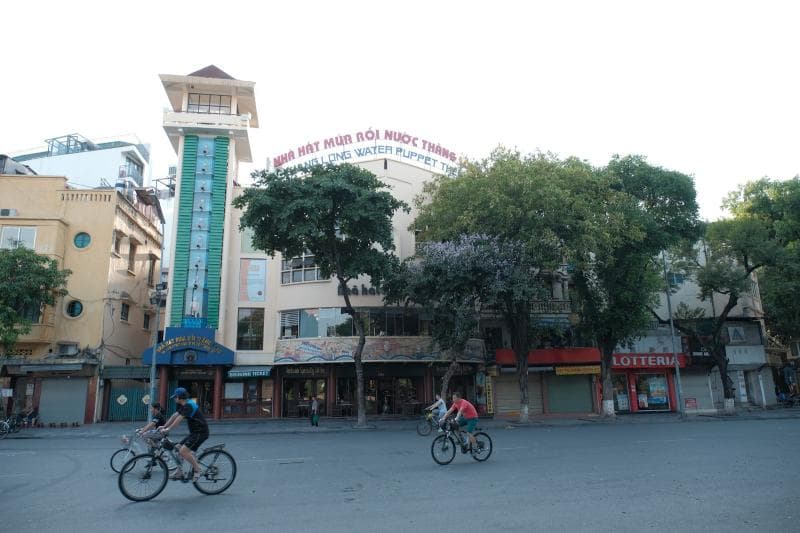
Experience traditional water puppetry at the Vietnam Museum of Ethnology in Hanoi, Vietnam. Discover ancient art, cultural stories, and unique performances.
Overview
Within the expansive grounds of the Vietnam Museum Of Ethnology in Hanoi, the Water Puppet Area offers a captivating glimpse into one of Vietnam's most cherished artistic traditions. This unique open-air pavilion, designed in a traditional style reminiscent of the ancient Thay Pagoda, serves as a dedicated stage for mesmerizing water puppet performances. It provides an authentic setting where visitors can experience the ancient art of Múa rối nước, or water puppetry, in an environment that echoes its rural origins. Beyond the live performances, a small exhibition in a nearby building further explores the craft, showcasing the intricate puppets themselves.
The Water Puppet Area is more than just a performance venue; it's an integral part of the museum's commitment to preserving and showcasing Vietnam's rich cultural diversity. The museum, a prominent institution focusing on the nation's 54 officially recognized ethnic groups, uses this dedicated space to bring a vibrant living tradition to its visitors. Performances typically take place on weekends and during special cultural programs, offering an immersive cultural experience that complements the museum's extensive indoor and outdoor exhibits.
History & Cultural Background
Vietnamese water puppetry, or Múa rối nước, is an ancient folk art form with roots stretching back to the 11th century. Originating in the fertile rice paddies of the Red River Delta in northern Vietnam, this art form emerged from the daily lives of farming communities. When seasonal floods submerged their fields, villagers ingeniously transformed these inundated landscapes into makeshift stages. The water itself became an essential element, both visually striking and functionally ingenious, serving to conceal the puppeteers and their intricate manipulation techniques.
Initially, water puppet shows were a form of entertainment during festivals and harvest celebrations, deeply intertwined with agricultural rituals and spiritual beliefs. They were seen as a way to appease water gods, praying for bountiful harvests and protection from floods. Over centuries, this art evolved from simple village entertainment into a sophisticated performance, even earning the patronage of royalty during the Ly Dynasty in the 12th century. The puppets, often carved from lightweight fig wood (known as 'sung' wood), are lacquered and painted to be waterproof and durable. Puppeteers, standing waist-deep behind a bamboo screen, skillfully control these figures using long bamboo rods and submerged strings, a technique that demands decades of practice to master.
What Makes It Special
The Water Puppet Area at the Vietnam Museum Of Ethnology offers a particularly authentic and enriching experience of Múa rối nước. Unlike some urban theaters, the museum's outdoor, pond-like setting provides an atmosphere that closely resembles the art form's original village performances. This natural environment, complete with natural light, allows visitors to connect more deeply with the historical context of water puppetry. The performances here often focus on themes directly related to the daily life and activities of Vietnam's diverse ethnic groups, aligning perfectly with the museum's broader mission.
Furthermore, the opportunity to witness one of Vietnam's authentic folk water puppetry troupes perform within the museum's cultural context provides a layer of understanding often missed elsewhere. Visitors can not only enjoy the spectacle but also appreciate its significance as a living cultural tradition alongside the museum's extensive artifact collections and full-scale traditional houses in the Outdoor Architecture Garden. On occasion, these shows are complemented by other cultural demonstrations, such as traditional games or craft-making, enhancing the overall immersive experience.
Stories, Fun Facts & Local Details
Water puppet shows are vibrant tapestries woven from Vietnamese folklore, rural life, and historical legends. Common narratives depict scenes of agricultural life, including rice planting, fishing, and buffalo herding, reflecting the deep connection between the Vietnamese people and their land. You might see mythical creatures like dragons, phoenixes, or turtles dance across the water, often playing roles in well-known legends such as the tale of Le Loi and the Golden Turtle, a story deeply embedded in Hanoi's history.
The accompanying music is an integral part of the experience, performed live by a Vietnamese orchestra using traditional instruments like drums, wooden bells, bamboo flutes, horns, and cymbals. This live soundtrack sets the mood and enhances the storytelling, even though the performances transcend language barriers due to their visual nature and expressive puppetry. The water itself is not merely a stage but a symbolic canvas, its ripples and reflections adding to the magic and mystique of the performance, while also subtly echoing its origins in the rice-growing regions of Vietnam.
Visitor Perspective
For any curious traveler to Hanoi, a visit to the Water Puppet Area at the Vietnam Museum Of Ethnology is an enriching and memorable experience. It's often cited as a 'must-do' activity, offering a direct encounter with a unique aspect of Vietnamese culture. Visitors can expect to be charmed by the colorful puppets and the skillful, hidden puppeteers who bring them to life from behind the water screen. The performances are engaging and accessible, making them suitable for all ages, including families with children.
To make the most of your visit, it's advisable to check the museum's schedule upon arrival, as water puppet shows primarily take place on weekends and special cultural occasions. Witnessing these live performances provides a deeper understanding of Vietnam's traditions and way of life, moving beyond mere observation of artifacts to a living cultural immersion. Combine it with exploring the museum's other fascinating exhibits, including the outdoor architectural garden, for a comprehensive journey into the heart of Vietnam's diverse heritage.
Coordinates: 105.798611, 21.040556
View on Google Maps💬 How Travelers Describe This Place
Based on community votes
Photogenic
998Must See
685Unique
472Beautiful
399Interesting
92
Traveler Stories
Discover memorable experiences shared by travelers who have visited this place.
No traveler stories yet.
Be the first traveler to share what made this place memorable.

Tour
By
Spot
Discover amazing places around the world. Your journey starts here.
Explore
© 2026 TourBySpot. All rights reserved.