Vatican Museums
Rome, Italy
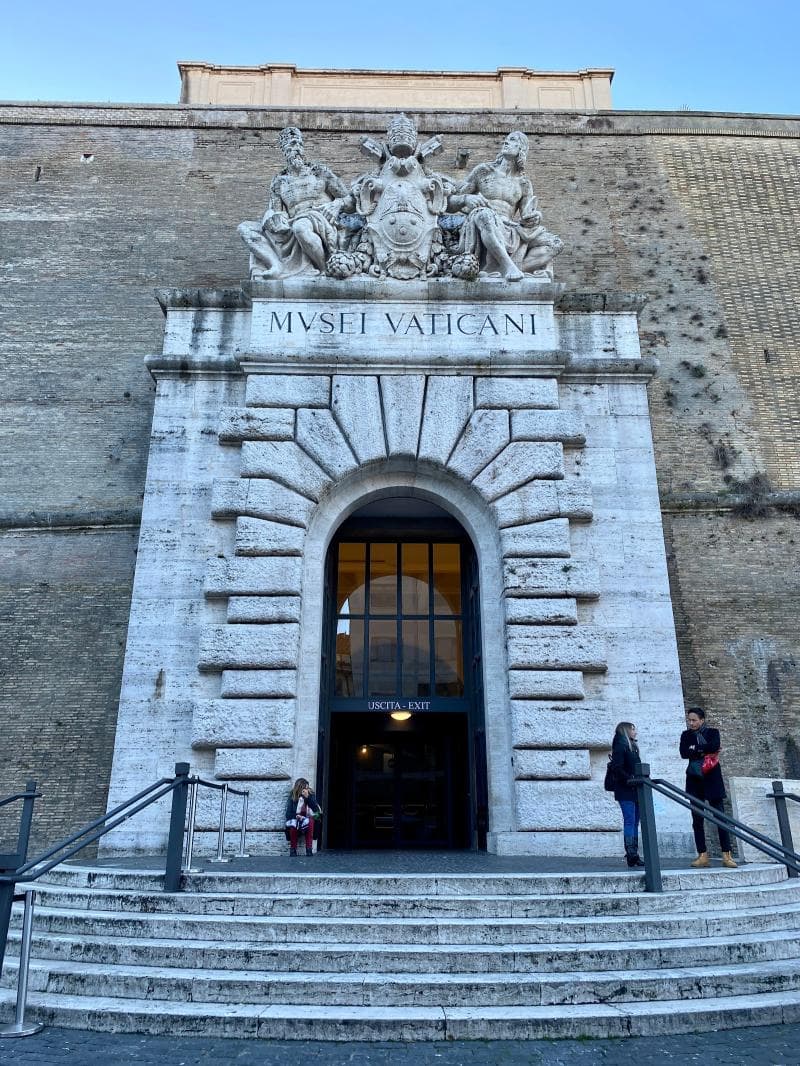
Explore the Vatican Museums in Rome, Italy, home to centuries of papal art and history. Discover Michelangelo's Sistine Chapel and Raphael's masterpieces.
Overview
Stepping into the Vatican Museums in Rome, Italy, is like embarking on an extraordinary journey through centuries of art, history, and faith. This monumental complex, located within Vatican City, is home to one of the world's most extensive and renowned art collections, meticulously amassed by the Catholic Church and the papacy over more than 500 years. It's a place where every corridor, gallery, and masterpiece tells a compelling story, inviting curious travelers to immerse themselves in unparalleled cultural richness.
The Vatican Museums showcase approximately 70,000 works, with about 20,000 pieces currently on public display, ranging from ancient Roman sculptures to magnificent Renaissance frescoes and modern religious art. Far more than just a series of galleries, the museums represent a profound visual narrative of human creativity and spiritual devotion, drawing millions of visitors annually. From the awe-inspiring Sistine Chapel to the intricate Raphael Rooms, the collections offer a comprehensive look at human artistic achievement throughout history.
History & Cultural Background
The origins of the Vatican Museums trace back to the early 16th century with Pope Julius II. The seminal moment occurred on January 14, 1506, following the discovery of the Hellenistic sculpture 'Laocoön and His Sons' in a vineyard near Santa Maria Maggiore in Rome. Pope Julius II, recognizing its profound artistic value, promptly purchased the sculpture and publicly displayed it at the Vatican, laying the cornerstone for what would become one of the world's greatest museum complexes.
Over the centuries, successive popes continued to expand these collections, adding new buildings and patronizing celebrated artists. Pope Nicholas V initiated significant construction and artistic projects in the mid-15th century, including tasks for Fra Angelico. Later, Pope Sixtus IV commissioned the construction of the Sistine Chapel itself in the late 15th century, bringing in artists like Sandro Botticelli and Pietro Perugino to decorate its side walls before Michelangelo's later, iconic work on the ceiling and altar wall. The 18th century saw the establishment of the Museo Pio-Clementino, dedicated to safeguarding ancient Greek and Roman antiquities, further cementing the museums' role as a repository of classical art. This continuous dedication by the papacy transformed a private collection into a publicly accessible treasury of global heritage.
What Makes It Special
What truly sets the Vatican Museums apart is the sheer depth and breadth of its collections, unparalleled in their historical and artistic significance. The absolute highlight for most visitors is, without a doubt, the Sistine Chapel. Michelangelo's frescoes, particularly 'The Creation of Adam' on the ceiling and 'The Last Judgment' on the altar wall, are considered among the most canonical works of Western art, drawing gasps of wonder from all who enter.
Beyond the Sistine Chapel, the Raphael Rooms (Stanze di Raffaello) captivate with their stunning frescoes, including the masterful 'The School of Athens,' showcasing Raphael's genius commissioned by Pope Julius II. The Pio-Clementino Museum houses legendary classical sculptures like the 'Apollo Belvedere' and the 'Laocoön Group,' pieces that have inspired generations of artists. Other notable areas include the Pinacoteca Vaticana, featuring works by Leonardo da Vinci, Raphael, and Caravaggio, and the Gregorian Egyptian Museum with its ancient artifacts. The Gallery of Maps, with its topographical maps of Italy painted on the walls, is another marvel, representing the world's largest pictorial geographical study. Each section reveals another layer of human civilization's artistic and cultural endeavors.
Stories, Fun Facts & Local Details
The Vatican Museums are rich with fascinating anecdotes. For instance, the very foundation of the museums in 1506 began with a single marble sculpture, 'Laocoön and His Sons,' a monumental work that was almost immediately put on public display after its discovery. Another intriguing detail within Michelangelo's Sistine Chapel frescoes involves the tree from which Eve plucks the forbidden fruit; it's depicted as a fig tree, not an apple tree, a subtle botanical choice by the master.
The sheer scale of the Vatican Museums is mind-boggling: if you were to join all the museum rooms together, they would stretch for an astonishing nine miles. Some say that if one were to spend just one minute looking at each piece on display, it would take four years to see everything. Hidden gems include the 'Room of Tears' (Stanza del pianto) near the Sistine Chapel, where a newly elected Pope traditionally retreats to change into his vestments before greeting the faithful. The modern double-helix Bramante Staircase, designed by Giuseppe Momo in 1932, is also a marvel, allowing visitors to ascend and descend simultaneously without crossing paths. The Vatican City itself is a unique sovereign state, the smallest in the world, and generates revenue partly through museum admissions and souvenir sales.
Visitor Perspective
For any traveler planning a visit to the Vatican Museums, a few key insights can significantly enhance the experience. Firstly, booking tickets in advance is highly recommended to avoid potentially lengthy queues, which can stretch for hours, especially during peak seasons. The official website offers direct online reservations.
Due to the sacred nature of Vatican City, a strict dress code is enforced: shoulders and knees must be covered. Sleeveless tops, very short shorts, and miniskirts are not permitted, and visitors who do not comply may be refused entry. Most visitors spend around three hours exploring the vast collections, though art enthusiasts could easily spend an entire day, or even several, to appreciate everything. The main entrance to the Vatican Museums is located on Viale Vaticano, 100, which is distinct from St. Peter's Square. While the museums are typically open Monday through Saturday, they also offer free entry on the last Sunday of every month, though this often means significantly larger crowds. Considering the immense size and popularity, approaching the visit with a plan, perhaps even with a guided tour or audio guide, can make the experience much more meaningful.
Coordinates: 12.4544, 41.9064
View on Google Maps💬 How Travelers Describe This Place
Based on community votes
Beautiful
839Photogenic
445Must See
388Unique
289Interesting
141
Traveler Stories
Discover memorable experiences shared by travelers who have visited this place.
No traveler stories yet.
Be the first traveler to share what made this place memorable.
Things to see at Vatican Museums



Tour
By
Spot
Discover amazing places around the world. Your journey starts here.
Explore
© 2026 TourBySpot. All rights reserved.