Gregorian Egyptian Museum
Rome, Italy
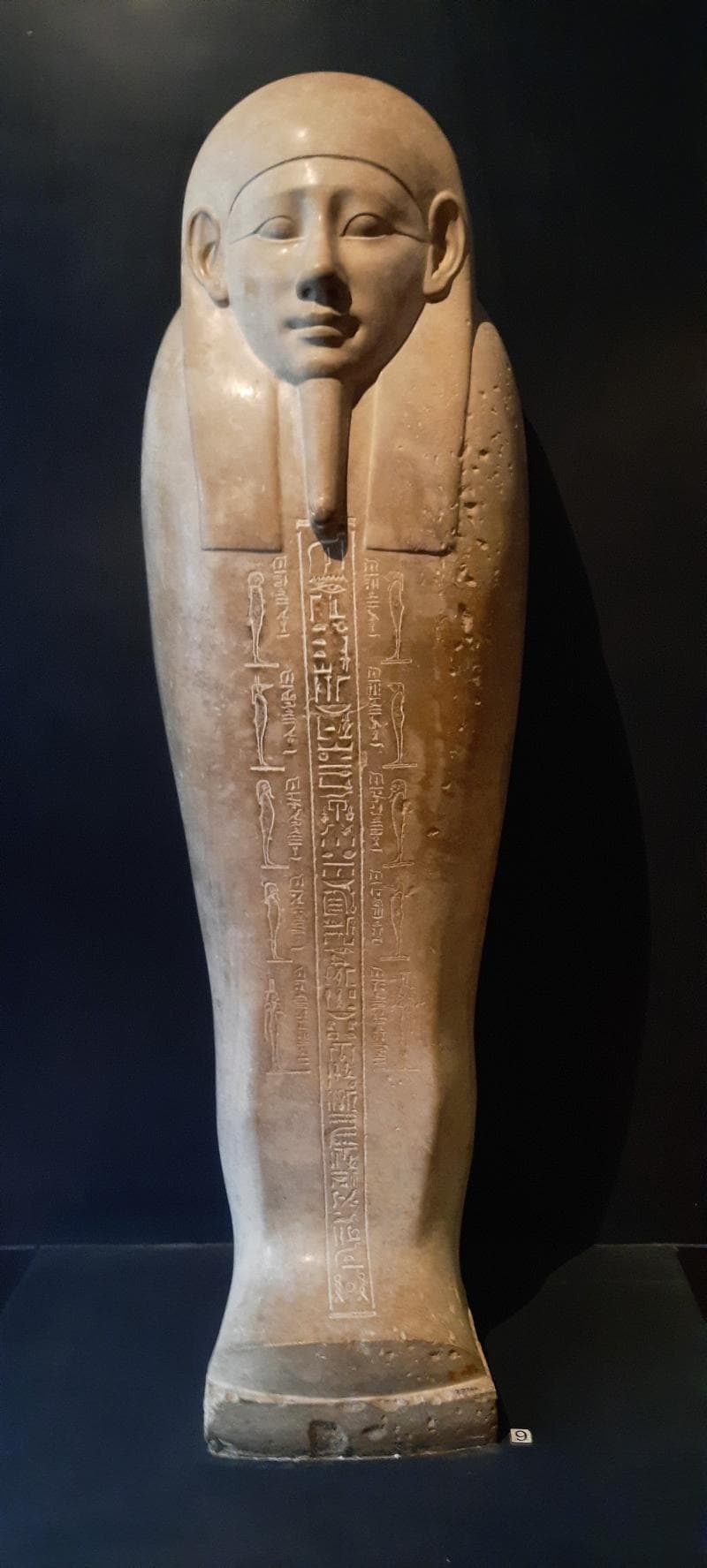
Explore the Gregorian Egyptian Museum in the Vatican Museums, Rome, Italy. Discover ancient Egyptian art, mummies, and the unique Roman-Egyptian cultural connection.
Overview
Nestled within the sprawling complex of the Vatican Museums in Rome, Italy, lies the fascinating Gregorian Egyptian Museum. Established by Pope Gregory XVI in 1839, this unique museum offers visitors a captivating journey into the art, culture, and daily life of ancient Egypt. Spread across nine distinct rooms, its extensive collection showcases not only a wealth of ancient Egyptian artifacts but also highlights the profound historical connections and influences between Egypt and the Roman Empire. It stands as a testament to the Vatican's long-standing interest in diverse global cultures and antiquities.
The museum's exhibits include everything from monumental statues of pharaohs and deities to delicate funerary objects, offering a comprehensive look at one of history's most influential civilizations. Beyond its aesthetic appeal, the museum provides rich historical and cultural context, inviting visitors to explore the religious beliefs and burial practices that defined ancient Egyptian society.
History & Cultural Background
The Gregorian Egyptian Museum was founded in 1839 by Pope Gregory XVI amidst a period of widespread 'Egyptomania' sweeping across Europe, following Napoleon's campaigns and the decipherment of the Rosetta Stone. This initiative was part of a broader Vatican effort to organize and present world cultures through specialized museum collections.
The core of its collection was initially formed from Egyptian artifacts already present in the Vatican, some dating back to the 17th century. Crucially, a significant portion of the museum's treasures comes from objects discovered within Rome and its surrounding areas, notably from Hadrian's Villa in Tivoli. Emperor Hadrian, who admired Egyptian exoticism, adorned his villa with numerous Egyptian works of art, which were later excavated and incorporated into the museum. This unique acquisition history paradoxically creates a direct link between Egypt and the Eternal City. The museum's scope expanded over time through acquisitions from private collections, diplomatic gifts, and archaeological campaigns in Egypt.
What Makes It Special
What truly distinguishes the Gregorian Egyptian Museum is its unparalleled focus on the interaction between ancient Egyptian culture and the Roman Empire. Unlike many other museums that focus solely on Pharaonic Egypt, this collection uniquely illustrates how Egyptian art and religious practices permeated and influenced Roman society.
Visitors can observe remarkable examples of syncretism, where Egyptian gods were adapted by Roman artists, and Roman figures were depicted with Egyptian attributes. The artifacts excavated from Hadrian's Villa, for instance, perfectly demonstrate this cross-cultural dialogue. The museum also broadens its scope by featuring objects from ancient Mesopotamia and Assyria, providing a wider perspective on ancient Near Eastern civilizations. This dual narrative makes the Gregorian Egyptian Museum a bridge between cultures, offering insights into how ancient traditions were interpreted and integrated into different societies.
Stories, Fun Facts & Local Details
Walking through the Gregorian Egyptian Museum, one encounters a wealth of compelling stories and details. The design of the museum itself, curated by Egyptologist Luigi Ungarelli, incorporated exotic architectural elements and wall decorations intended to evoke the atmosphere of the Nile, even within the Vatican's Belvedere Palace.
Among the celebrated pieces is a striking statue of Ramses II, depicting the pharaoh in a pose reminiscent of Osiris, symbolizing his divine nature after death. Another highlight is the collection of papyri, including fragments from the famous 'Book of the Dead,' complete with illustrations and spells intended to guide the deceased through the afterlife. The museum also proudly displays well-preserved mummies and elaborately painted sarcophagi, offering vivid insights into ancient Egyptian burial traditions and their strong belief in life after death. Additionally, the third room of the museum features divinities and artifacts from the Serapeum of Hadrian's Villa, offering a reconstruction of a temple dedicated to the Egyptian god Serapis.
Visitor Perspective
For the curious traveler, a visit to the Gregorian Egyptian Museum offers a profound and immersive experience. The nine galleries guide you through different facets of ancient Egyptian life, from funerary monuments and monumental sculpture to daily life objects and artifacts showcasing Egypt's presence in Rome. The exhibits are thoughtfully organized, allowing for a clear understanding of the historical and cultural significance of each piece.
Many visitors find the collection awe-inspiring, particularly the intricate details of the mummies and sarcophagi, and the powerful presence of the large statues. It provides a rare opportunity to connect with one of the world's oldest and most enigmatic civilizations right in the heart of Rome. The museum reminds visitors that the Vatican's collections extend far beyond Renaissance art, encompassing a vast history of cultural exchange and scholarly pursuit. It's a must-see for anyone with an interest in ancient civilizations and the fascinating interplay of cultures throughout history.
Coordinates: 12.453641, 41.906675
View on Google Maps💬 How Travelers Describe This Place
Based on community votes
Interesting
443Must See
414Unique
310Beautiful
277Photogenic
233
Traveler Stories
Discover memorable experiences shared by travelers who have visited this place.
No traveler stories yet.
Be the first traveler to share what made this place memorable.

Tour
By
Spot
Discover amazing places around the world. Your journey starts here.
Explore
© 2026 TourBySpot. All rights reserved.