Sistine Chapel
Rome, Italy
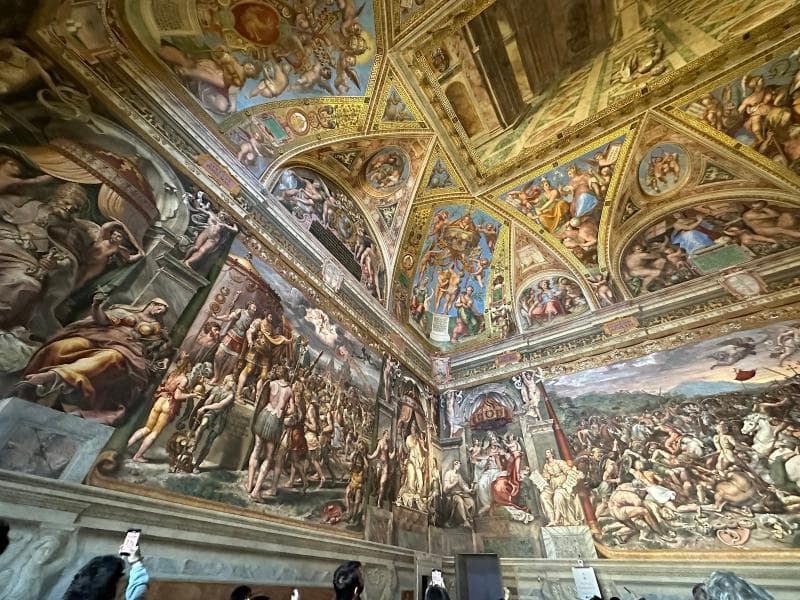
Discover the Sistine Chapel, a masterpiece of Renaissance art in the Vatican Museums, Rome, Italy. Explore Michelangelo's frescoes and its rich history.
Overview
Nestled within the sprawling Vatican Museums in Vatican City, a sovereign state within Rome, Italy, lies the breathtaking Sistine Chapel. This revered chapel, originally known as the Cappella Magna, is a cornerstone of Renaissance art and a site of immense spiritual significance for the Catholic Church. Millions of visitors each year are drawn to its sacred walls, eager to witness the monumental frescoes that adorn its interior, most famously those by Michelangelo.
The Sistine Chapel serves as the official chapel of the Pope and is an active place of worship. Its austere exterior belies the vibrant, complex, and profound artistic narratives contained within, making it an essential destination for anyone exploring the rich cultural tapestry of Rome and Vatican City.
History & Cultural Background
The Sistine Chapel owes its name to Pope Sixtus IV della Rovere, who commissioned its restoration and construction between 1473 and 1481, replacing an older chapel on the same site.
Initially, the chapel's walls were adorned with frescoes by some of the most celebrated artists of the 15th century, including Sandro Botticelli, Pietro Perugino, Domenico Ghirlandaio, and Cosimo Rosselli, along with their workshops. These early works depicted parallel stories from the lives of Moses and Christ, establishing a foundational layer of sacred imagery.
However, the chapel's destiny as a global artistic marvel was sealed with the commissions given to Michelangelo Buonarroti. In 1508, Pope Julius II, Sixtus IV's nephew, tasked Michelangelo with painting the chapel's ceiling. Despite Michelangelo's initial reluctance, viewing himself primarily as a sculptor, he completed this colossal work between 1508 and 1512.
Decades later, between 1535 and 1541, under Pope Paul III, Michelangelo returned to paint the awe-inspiring 'Last Judgment' on the altar wall, replacing earlier 15th-century frescoes.
What Makes It Special
What truly distinguishes the Sistine Chapel is its unparalleled artistic achievement and its enduring role in papal tradition. Michelangelo's frescoes on the ceiling, particularly the iconic 'Creation of Adam', are considered a pinnacle of Renaissance art, influencing Western art for centuries.
The intricate narratives, dynamic figures, and vibrant colors – famously revealed during extensive restorations – convey profound theological messages.
Beyond its artistic grandeur, the Sistine Chapel holds immense religious importance as the venue for the Papal Conclave, the assembly of cardinals convened to elect a new Pope. This sacred event, steeped in tradition, underscores the chapel's continuous function as a spiritual heart of the Catholic Church.
Stories, Fun Facts & Local Details
- Michelangelo's Reluctance and Labor: Michelangelo initially resisted the ceiling commission, feeling he was a sculptor, not a painter. The four-year endeavor was arduous, requiring him to paint while standing and craning his neck upwards, leading to physical suffering.
- The 'Fig Leaf Campaign': After Michelangelo's death, Pope Pius IV ordered draperies and fig leaves to be painted over some of the nude figures in the 'Last Judgment' during the 1560s. These additions, meant to preserve modesty, were largely removed during the 20th-century restoration, revealing the artist's original vision.
- A Defensive Fortress: The chapel was built with defense in mind. Its thick, strong walls and austere exterior were designed to protect the Vatican against potential attacks during the tumultuous 15th century.
- God's Unique Depiction: Michelangelo's depiction of God in the 'Creation of Adam' was groundbreaking, presenting God as a powerful, Zeus-like figure, a departure from earlier representations of divine light.
- The Conclave's Secret: During a Papal Conclave, cardinals are traditionally locked inside the chapel, communicating with the outside world only through smoke signals until a new Pope is elected.
Visitor Perspective
Visiting the Sistine Chapel is an unforgettable experience, though it requires planning. As it's located inside the Vatican Museums, access is typically granted through a Vatican Museums ticket.
Due to its immense popularity, the chapel can be extremely crowded. For a more tranquil experience, consider visiting early in the morning or late in the afternoon, or during off-peak seasons. Guided tours can provide valuable insights into the chapel's history and art.
Visitors are expected to adhere to a strict dress code, covering shoulders and knees, as it remains a sacred place of worship. Silence is requested inside the chapel, and photography is generally not permitted, encouraging visitors to fully immerse themselves in the artistry and spiritual ambiance.
Coordinates: 12.4544, 41.90293
View on Google Maps💬 How Travelers Describe This Place
Based on community votes
Beautiful
673Photogenic
219Interesting
186Must See
143Unique
80
Traveler Stories
Discover memorable experiences shared by travelers who have visited this place.
No traveler stories yet.
Be the first traveler to share what made this place memorable.

Tour
By
Spot
Discover amazing places around the world. Your journey starts here.
Explore
© 2026 TourBySpot. All rights reserved.