Vatican Gardens
Rome, Italy
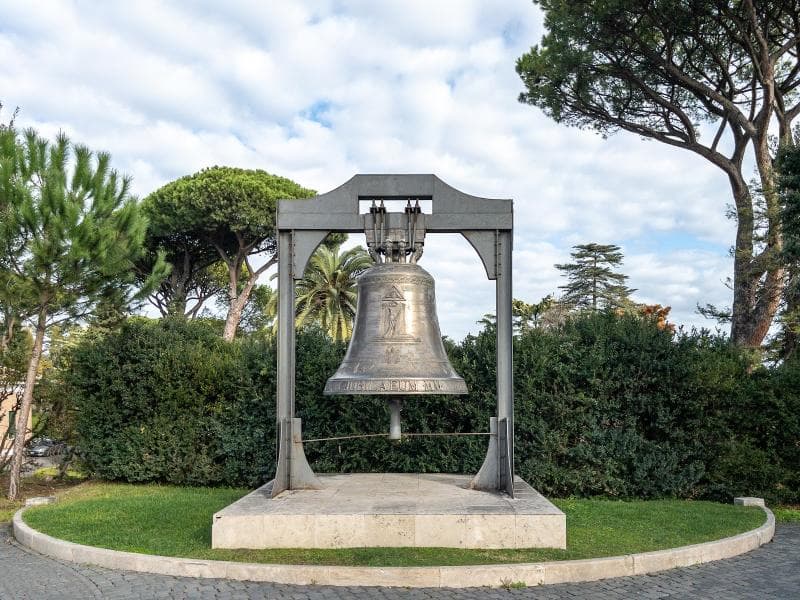
Explore the tranquil Vatican Gardens in Rome, Italy, a stunning blend of nature and art, serving as a private papal retreat.
Overview
Nestled within the smallest sovereign state in the world, the Vatican Gardens offer a breathtaking sanctuary of natural beauty, art, and profound spirituality. Sprawling across approximately 23 hectares, these meticulously cultivated grounds represent more than half of Vatican City's total area, creating a serene green heart amidst the bustling metropolis of Rome. More than just a collection of flora, the Vatican Gardens are a living testament to centuries of papal history, artistic vision, and a deep appreciation for nature's restorative power. They serve as a private retreat for the Popes, a place for contemplation and respite, rarely seen by the general public. Access to this exclusive paradise is carefully managed, ensuring its tranquil atmosphere is preserved for those fortunate enough to visit.
History & Cultural Background
The genesis of the Vatican Gardens can be traced back to the late 13th century, specifically to Pope Nicholas III, who, in 1279, relocated the papal residence from the Lateran Palace to the Vatican. He initiated the creation of an orchard, a lawn, and a formal garden, establishing the first papal 'viridarium' or green space within the protective walls he built around the new residence.
The gardens truly blossomed during the Renaissance and Baroque periods, evolving from utilitarian plots into elaborate landscapes that showcased the era's artistic and architectural grandeur. Visionaries like Donato Bramante and Pirro Ligorio, under the patronage of various popes, including Julius II and Paul V, redesigned and embellished the grounds. They introduced intricate terraces, fountains, and sculptures, transforming the gardens into a magnificent pleasure ground. By the 16th and 17th centuries, the Vatican Gardens became a vibrant canvas where nature and art converged, reflecting both papal power and a refined aesthetic sensibility.
What Makes It Special
What sets the Vatican Gardens apart is their remarkable blend of diverse landscaping traditions – Italian, French, and English styles harmoniously coexisting within a single, sacred space. The Italian garden, characterized by its formal and geometric layout, features intricate hedges and ornamental sculptures, a hallmark of Renaissance design. The French garden exhibits classical Baroque artistry with its grand symmetries, while the English garden embraces a more naturalistic approach with winding paths, rolling lawns, and softer water features.
Beyond the botanical diversity, the gardens are punctuated by countless architectural and sculptural treasures. Fountains like the elaborate Fontana della Galera, depicting a warship with cannons spouting water, and the majestic Fontana dell'Aquilone, dedicated to Pope Paul V, captivate visitors with their artistry and historical resonance. Medieval fortifications, grottoes, and even modern structures blend seamlessly into the landscape, offering a unique journey through time and culture.
Stories, Fun Facts & Local Details
The Vatican Gardens are rife with intriguing stories and unexpected details. One might be surprised to discover a piece of the original Berlin Wall nestled amidst the greenery, a powerful symbol of peace and unity. Throughout the gardens, numerous images and shrines dedicated to the Virgin Mary can be found, including a faithful replica of the Lourdes Grotto, providing a spiritual haven for reflection and prayer.
These expansive grounds are also home to several vital Vatican institutions. Visitors might glimpse the Vatican Heliport, the Vatican Radio Station, and the Governor's Palace, offering a rare peek into the daily operations of this unique city-state. Since Pope Nicholas III, the gardens have served as a cherished sanctuary for popes, a place where they could walk, meditate, and find solace away from their demanding duties. Pope Francis, for instance, has been known to use them for regular walks. The gardens rise to a maximum elevation of 60 meters (197 feet) above sea level on Vatican Hill, providing elevated viewpoints that occasionally offer glimpses of Rome beyond the Vatican walls.
Visitor Perspective
Visiting the Vatican Gardens is a privilege, offering a uniquely tranquil experience distinct from the bustling Vatican Museums and St. Peter's Basilica. Due to their status as a private papal domain, independent exploration is not permitted. Access is exclusively through guided tours, which typically include entry to the Vatican Museums and the Sistine Chapel.
Visitors can choose between guided walking tours, which offer an intimate, approximately 1.5-hour exploration of the main paths and monuments, or a more expansive tour via an electric open-top bus, complete with multilingual audio guides. Booking well in advance is highly recommended, especially during peak seasons, as the number of daily visitors is limited to preserve the gardens' serene atmosphere. Comfortable footwear is essential, particularly for those opting for the walking tour, as the journey covers a significant area. While often seen as an 'add-on' to the Vatican Museums, a tour of the gardens provides a profound opportunity to connect with a rarely seen aspect of the Vatican, offering both historical insight and a moment of peace and natural beauty.
Coordinates: 12.4521, 41.9039
View on Google Maps💬 How Travelers Describe This Place
Based on community votes
Photogenic
953Unique
695Beautiful
396Must See
286Interesting
22
Traveler Stories
Discover memorable experiences shared by travelers who have visited this place.
No traveler stories yet.
Be the first traveler to share what made this place memorable.

Tour
By
Spot
Discover amazing places around the world. Your journey starts here.
Explore
© 2026 TourBySpot. All rights reserved.