Trinity College
Dublin, Ireland
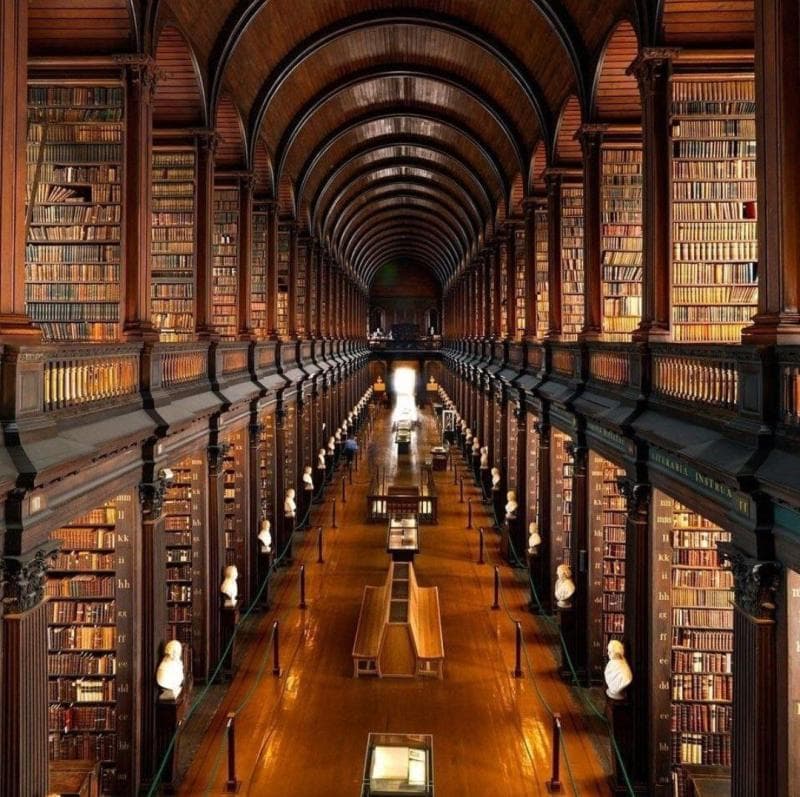
Explore Trinity College Dublin, Ireland's oldest university, home to the iconic Book of Kells and the stunning Long Room. Discover its rich history and famous alumni.
Overview
Trinity College Dublin, established in 1592, stands as Ireland's oldest university and a distinguished center of learning, nestled in the vibrant heart of Dublin city. Its historic campus offers a tranquil retreat amidst the urban bustle, inviting visitors to step back in time. More than just an academic institution, Trinity College is a significant cultural landmark, drawing over two million visitors annually to explore its revered grounds and iconic treasures.
History & Cultural Background
Founded by Queen Elizabeth I through a royal charter in 1592, Trinity College was initially conceived to bolster the Protestant Reformation and solidify English rule in Ireland. Modelled after the prestigious collegiate universities of Oxford and Cambridge, it was the sole constituent college of the University of Dublin. For centuries, the university was associated with the Protestant Ascendancy, with enrollment primarily restricted to Anglicans until 1793. Women were not admitted until 1904, marking a significant shift in its long-standing traditions. Built on the former site of the Priory of All Hallows, which was demolished by King Henry VIII, Trinity's foundation has left an indelible mark on Irish literature, contributing significantly during the Victorian and Georgian eras and playing a notable role in Dublin's recognition as a UNESCO City of Literature.
What Makes It Special
Among Trinity College's most celebrated attractions are the historic Old Library and its crown jewel, the Book of Kells. The Old Library, a magnificent architectural feat, houses the Long Room, a breathtaking chamber stretching an impressive 65 meters in length. This grand hall is often hailed as one of the world's most beautiful libraries, renowned for its towering oak bookcases filled with 200,000 of the library's oldest books. Its barrel-vaulted ceiling, added in the 1860s to accommodate the growing collection, creates a soaring and awe-inspiring space. Marble busts of eminent philosophers, writers, and scholars line the Long Room, gazing down upon visitors. Here, visitors can also see the Brian Boru Harp, a medieval instrument and a national symbol of Ireland, and a copy of the 1916 Proclamation of the Irish Republic. The Book of Kells, an illuminated manuscript of the four Gospels created by Columban monks around 800 AD, is Ireland's greatest cultural treasure and is displayed in the Old Library's Treasury as part of the Book of Kells Experience.
Stories, Fun Facts & Local Details
Trinity College has been the academic home to an extraordinary roster of luminaries who have shaped literature, politics, and science. Literary giants like Oscar Wilde, Samuel Beckett, Jonathan Swift, and Bram Stoker once walked these cobbled pathways. Political figures such as former Irish presidents Douglas Hyde and Mary Robinson, and Nobel laureates including Samuel Beckett (Literature) and Ernest Walton (Physics), are also among its distinguished alumni. The college boasts the world's oldest student society, 'The Hist', founded in 1770. Architecturally, Trinity showcases a blend of styles, with many older buildings exhibiting Neoclassical and Georgian influences. The striking Museum Building, for instance, is a seminal example of Ruskinian Gothic architecture, characterized by its intricate detailing and use of native Irish marbles.
Visitor Perspective
A visit to Trinity College Dublin is a journey through history and culture. The campus is centrally located and easily accessible, making it a perfect starting point for exploring Dublin. Guests can wander through the main gates into Parliament Square, with the iconic Campanile bell tower at its center, or join a student-led 'Trinity Trails' walking tour to learn about its rich history and hidden gems. For the Book of Kells Experience, timed entry tickets are essential, especially during peak season, and booking well in advance is highly recommended to secure a spot. The entire experience, including the Old Library and digital exhibitions, typically takes around 90 minutes. Trinity College truly offers a unique glimpse into Ireland's past, presenting an oasis of calm and intellectual curiosity in the heart of Dublin.
Coordinates: -6.2546, 53.3438
View on Google Maps💬 How Travelers Describe This Place
Based on community votes
Beautiful
948Unique
913Interesting
337Must See
196Photogenic
94
Traveler Stories
Discover memorable experiences shared by travelers who have visited this place.
No traveler stories yet.
Be the first traveler to share what made this place memorable.
Things to see at Trinity College



Tour
By
Spot
Discover amazing places around the world. Your journey starts here.
Explore
© 2026 TourBySpot. All rights reserved.