Long Room Library
Dublin, Ireland
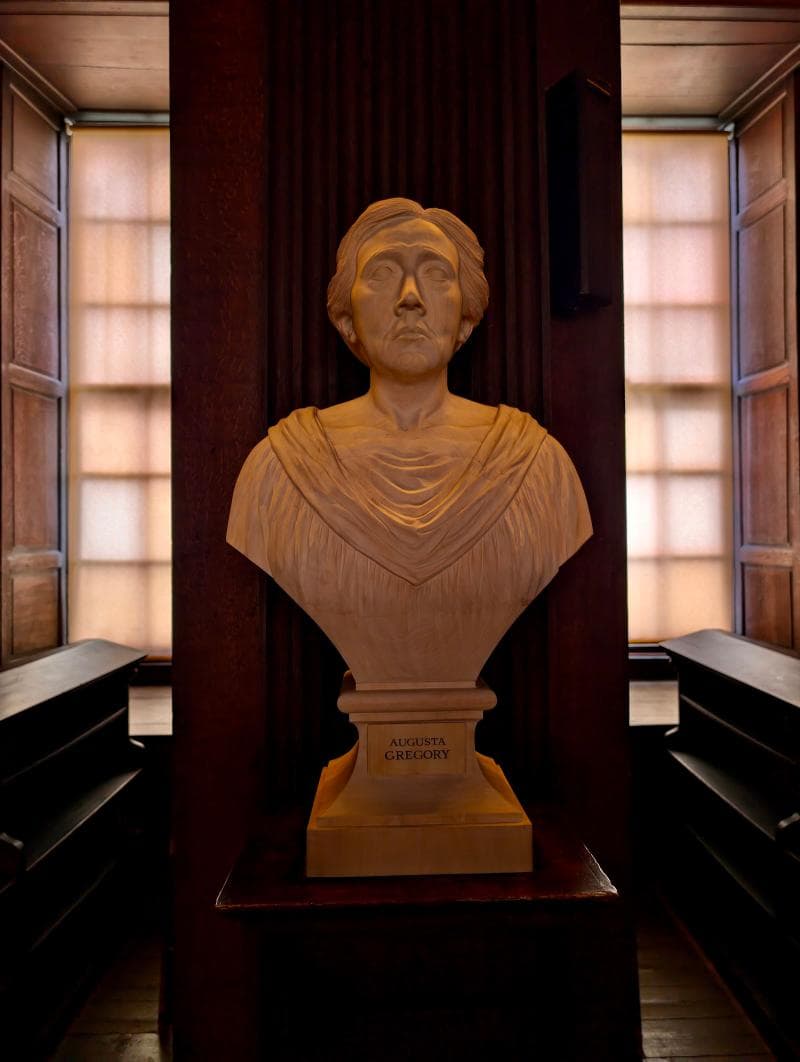
Explore the iconic Long Room Library at Trinity College Dublin, Ireland. Marvel at ancient books, the Book of Kells, and historic artifacts in this architectural gem.
Overview
Nestled within the historic walls of Trinity College in Dublin, Ireland, lies the awe-inspiring Long Room Library. As the main chamber of the Old Library, this architectural masterpiece is consistently hailed as one of the world's most beautiful libraries. Stretching approximately 65 metres in length, it houses around 200,000 of the library's oldest books, creating a profound sense of history and intellectual grandeur. It stands as a beacon of knowledge and a must-visit cultural landmark in the heart of Ireland's capital.
History & Cultural Background
The story of the Long Room begins with the founding of Trinity College itself in 1592, when a library was established to serve its scholars. The construction of the magnificent Old Library building, which encompasses the Long Room, commenced in 1712 and was completed in 1732, under the design of Thomas Burgh. Initially, the Long Room featured a flat ceiling and a single level of shelving. However, a pivotal moment in its history occurred in 1801 when the library was granted legal deposit status, entitling it to a copy of every book published in Britain and Ireland. This influx of literature quickly filled the existing shelves. To accommodate the burgeoning collection, a significant expansion took place in the 1850s and 1860s, which saw the roof raised and the iconic barrel-vaulted ceiling and upper galleries added, transforming it into the two-story haven for books seen today.
What Makes It Special
The Long Room's allure extends beyond its sheer scale. Its most renowned treasure is the Book of Kells, an extraordinary illuminated manuscript from around 800 AD containing the four Gospels of the New Testament. This masterpiece of Celtic art and Christian iconography is considered one of Ireland's greatest cultural treasures. The architectural design itself is breathtaking, with towering dark oak bookshelves reaching towards the vaulted ceiling. Lining the central walkway is a captivating collection of marble busts, commissioned starting in 1743 from sculptor Peter Scheemakers, depicting revered philosophers, writers, and figures associated with Trinity College. Among them is a notable bust of Jonathan Swift by Louis Francois Roubiliac. Other significant artifacts on display include the 15th-century Brian Boru Harp, the model for Ireland's national emblem, and one of the few remaining copies of the 1916 Proclamation of the Irish Republic, a foundational document in Irish history.
Stories, Fun Facts & Local Details
The Long Room has garnered a reputation that sometimes precedes it. It is frequently, though mistakenly, believed to be the inspiration or filming location for Hogwarts' library in the Harry Potter films, a testament to its magical and ancient atmosphere. Locally, the library is affectionately known as 'Ireland's front room', highlighting its cherished place in the national consciousness. A fascinating detail for visitors is the specially designed display case for the Book of Kells, installed in 2020 by the renowned company Goppion, which allows for the viewing of every page of the manuscript while ensuring its optimal preservation. The golden lettering beneath the upper gallery commemorates significant benefactors from the 17th and 18th centuries, subtly narrating a history of patronage and academic support. Currently, as part of a major redevelopment project for the Old Library, many of the books have been temporarily relocated to climate-controlled storage, and at times, temporary art installations, such as the impressive 'Gaia' sculpture, may be featured, offering a unique viewing experience.
Visitor Perspective
For any curious traveler, a visit to the Long Room is an experience that promises to be both humbling and inspiring. The journey typically begins with an exhibition dedicated to the Book of Kells, providing context and insight into this ancient manuscript, before culminating in the grand reveal of the Long Room itself. Stepping into the vast hall, with its towering shelves filled with venerable tomes and the busts of intellectual giants, is truly awe-inspiring. While the atmosphere encourages reverence for learning and history, visitors should note that direct access to the books is not permitted. Despite often having queues, the sheer spectacle and cultural significance of the Long Room ensure that it lives up to expectations, leaving a lasting impression on all who enter its hallowed space.
Coordinates: -6.2545716, 53.3437935
View on Google Maps💬 How Travelers Describe This Place
Based on community votes
Photogenic
958Unique
743Interesting
719Must See
629Beautiful
176
Traveler Stories
Discover memorable experiences shared by travelers who have visited this place.
No traveler stories yet.
Be the first traveler to share what made this place memorable.

Tour
By
Spot
Discover amazing places around the world. Your journey starts here.
Explore
© 2026 TourBySpot. All rights reserved.