Tram 28
Lisbon, Portugal
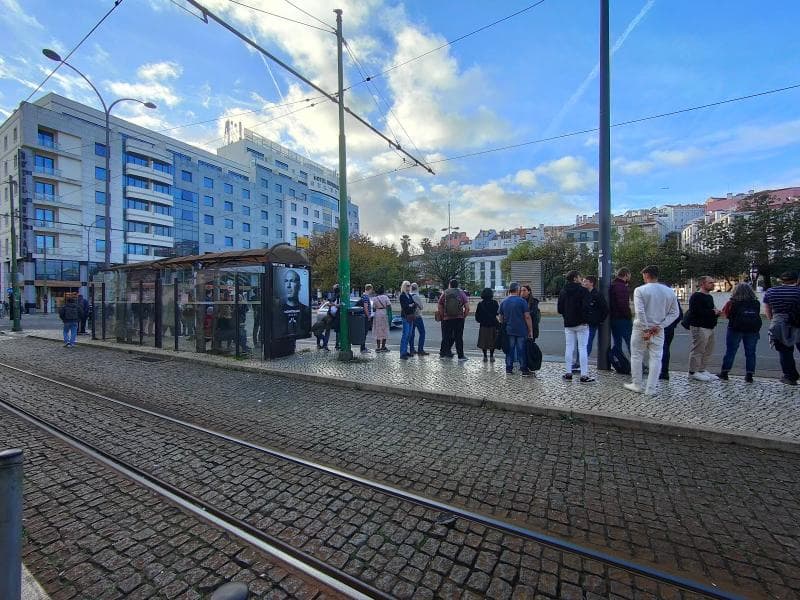
Experience Lisbon's iconic Tram 28, winding through historic neighborhoods like Alfama and Graça. Discover its history, unique route, and tips for visitors in Portugal.
Overview
Embark on a captivating journey through Lisbon's historic heart aboard Tram 28, often considered more than just a mode of transport – it is a true symbol of the city. This iconic yellow tram offers a unique sightseeing experience, winding through some of Lisbon's most picturesque and historic neighborhoods. From the bustling Largo do Martim Moniz, the tram begins its ascent, passing through vibrant districts such as Graça, Alfama, Baixa, Chiado, Estrela, and culminating in Campo de Ourique (Prazeres). The entire route, approximately 7 kilometers long, typically takes around 40 to 50 minutes, making it a perfect introduction to the city's diverse landscapes and rich history. Known affectionately as 'Eléctrico 28' by locals, a ride on this vintage streetcar provides an intimate glimpse into Lisbon's soul, showcasing its unique blend of ancient charm and vibrant daily life.
History & Cultural Background
The story of Lisbon's trams began long before the electric era. In 1873, the city saw its first horse-drawn carriages, known as 'americanos', paving the way for public transport. The advent of electric trams followed in 1901, a significant modernization for a city characterized by its challenging topography. Tram 28, specifically, commenced service in 1914, and its route gradually expanded, reaching its present form by the 1930s.
The trams currently in use on Line 28, known as 'Remodelados', date back to the 1930s. These vintage models are not merely preserved for nostalgia; they are a necessity. Modern, larger trams cannot navigate the impossibly narrow, steep streets and tight corners of Lisbon's oldest districts, like Alfama and Graça. While the popularity of trams waned in the 1960s with the rise of buses and private cars, Tram 28 has endured, transforming from a crucial daily commuter route into a cherished cultural icon, celebrated worldwide.
What Makes It Special
Tram 28 offers a 'moving piece of history', allowing travelers to experience Lisbon as it was decades ago. Its charm lies in its ability to access parts of the city that modern vehicles simply cannot. The tram navigates streets with gradients exceeding 13% and makes sharp turns with a minimum turning radius of approximately 9 meters, often passing mere inches from centuries-old buildings and their tiled façades. This intimate proximity to residential life, coupled with the rickety turns and the clang of its classic bell, creates an unforgettable sensory experience.
The route itself is a curated tour of Lisbon's soul, connecting iconic landmarks and breathtaking viewpoints. Passengers can glimpse the imposing Sé Cathedral, enjoy panoramic vistas from Miradouro Portas do Sol, and admire the majestic Basílica da Estrela, among many other historical sites. The distinct yellow color, wooden interiors, and brass details of the 'Remodelado' trams add to their photogenic appeal, making them one of Portugal's most photographed public transport lines.
Stories, Fun Facts & Local Details
The experience of riding Tram 28 is steeped in local anecdotes and interesting facts. During peak hours, locals once humorously referred to the crowded trams as 'the sardine can'. The tram's route traverses areas profoundly shaped by history, including the Baixa Pombalina district, famously rebuilt with a geometric grid layout after the devastating 1755 earthquake. Each journey offers a dynamic view into Lisbon's past and present, from medieval alleys to elegant squares. The tram's constant horn serves as a gentle reminder to pedestrians in the narrow, winding streets. Its compact size, specifically 2.4 meters wide, is a testament to the engineering required to fit through some of the tightest passages in the city.
For many visitors, Tram 28 acts as an affordable 'budget tour' or a 'DIY sightseeing tour', offering an extensive overview of Lisbon's most celebrated neighborhoods for the price of a regular public transport ticket. This combination of historical utility and scenic beauty makes it a beloved narrative thread in the story of Lisbon.
Visitor Perspective
While an enchanting experience, riding Tram 28 requires a bit of planning due to its immense popularity. The tram can become extremely crowded, especially between 10:00 AM and 5:00 PM. To ensure a more comfortable ride and better chance of securing a window seat, it is highly recommended to board early in the morning (before 9:00 AM) or later in the evening (after 7:00 PM). Starting your journey at one of the terminal stops, such as Martim Moniz or Campo de Ourique (Prazeres), also significantly increases your chances of finding a seat.
It is important to be vigilant about personal belongings, as crowded conditions on Tram 28, particularly on the stretch from Martim Moniz to Alfama, make it a known hotspot for pickpockets. Keeping bags secure and in front of you is a wise precaution. While a single ticket can be purchased onboard, travelers planning multiple rides or exploring other attractions may find better value in a 24-hour public transport pass or the Lisboa Card, which includes unlimited travel. Despite the crowds, the authentic charm and unparalleled views offered by Tram 28 make it a quintessential Lisbon experience, deeply cherished by those who ride its historic rails.
Coordinates: -9.13934, 38.72225
View on Google Maps💬 How Travelers Describe This Place
Based on community votes
Interesting
931Beautiful
692Unique
491Photogenic
266Must See
261
Traveler Stories
Discover memorable experiences shared by travelers who have visited this place.
No traveler stories yet.
Be the first traveler to share what made this place memorable.
Things to see at Tram 28



Tour
By
Spot
Discover amazing places around the world. Your journey starts here.
Explore
© 2026 TourBySpot. All rights reserved.