Baixa
Lisbon, Portugal
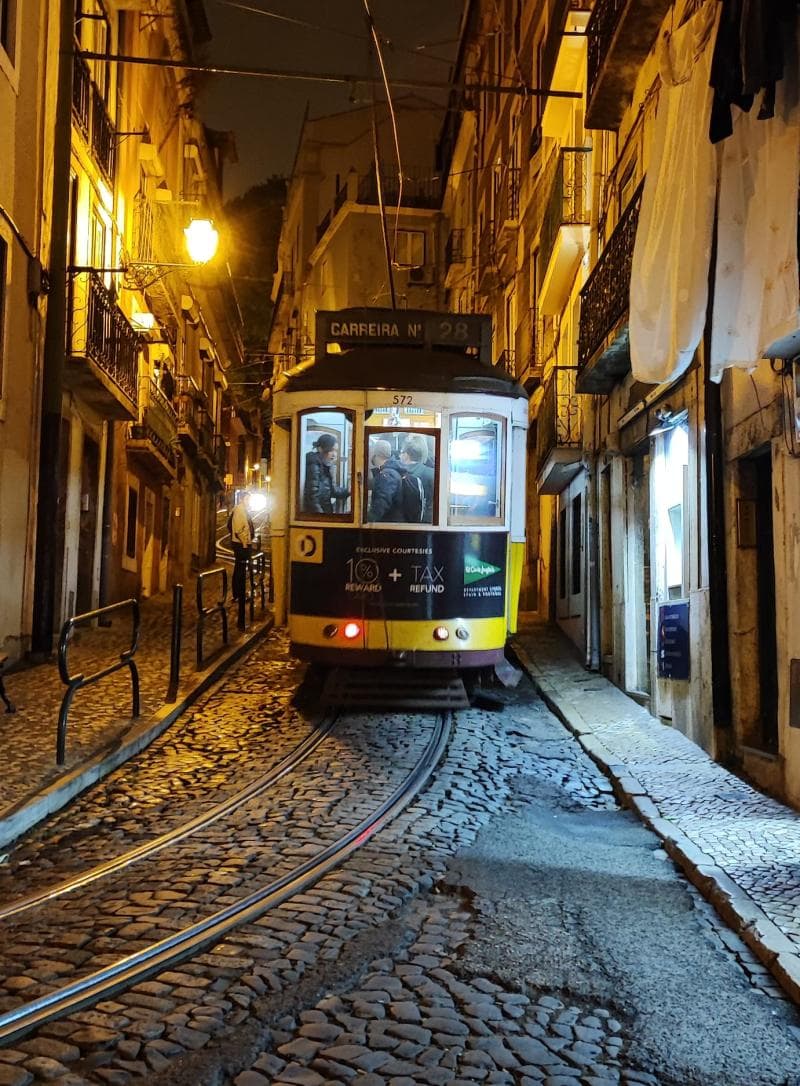
Discover Baixa, Lisbon's historic downtown, reborn from the 1755 earthquake. Explore its grid-like streets, neoclassical architecture, and vibrant culture in Portugal.
Overview
Welcome to Baixa, the vibrant and historic heart of Lisbon, Portugal. This iconic downtown district, often referred to as Baixa Pombalina, is a testament to resilience and visionary urban planning. Nestled in a valley between the city's famous hills, Baixa is distinguished by its elegant grid-like streets, grand squares, and neoclassical architecture, all reborn from the ashes of a devastating earthquake. It serves as a bustling commercial and cultural hub, inviting curious travelers to wander its orderly avenues and discover its unique charm. The famous Tram 28, with its distinctive yellow carriages, gracefully navigates through Baixa, offering passengers a moving panorama of this remarkable district.
History & Cultural Background
Baixa's profound character is rooted in a pivotal moment in Lisbon's history: the catastrophic earthquake of November 1, 1755. This natural disaster, followed by a tsunami and fires, laid waste to much of the city, including what was then a maze of narrow, medieval streets. The monumental task of rebuilding was entrusted to Sebastião José de Carvalho e Melo, the 1st Marquis of Pombal, who served as Prime Minister to King Joseph I.
Under Pombal's enlightened leadership, the district was not merely reconstructed but entirely reimagined. The result was the Baixa Pombalina, one of Europe's earliest examples of earthquake-resistant construction and modern urban planning. The Marquis imposed strict conditions, replacing the organic medieval layout with a rational, geometric grid of wide streets and large public squares. A fascinating innovation was the 'Pombaline cage,' a flexible wooden-lattice framework integrated into buildings to distribute seismic forces. Architectural models were even tested by having troops march around them to simulate an earthquake's tremors. This meticulous design showcased a blend of neoclassical aesthetics and pioneering engineering, aiming for both beauty and safety. Today, the Baixa Pombalina is recognized for its historical and architectural significance, having been placed on Portugal's 'tentative list' of potential World Heritage Sites.
What Makes It Special
The ordered beauty of Baixa sets it apart from Lisbon's other historic neighborhoods. Its flat, expansive layout is a welcome contrast to the city's famously steep hills, making it ideal for leisurely exploration on foot. The district boasts grand squares like the riverside Praça do Comércio, once the entry point for dignitaries arriving by sea, and the lively Rossio Square, a traditional gathering place for locals and visitors alike. Linking these squares is Rua Augusta, a bustling pedestrian street adorned with elegant neoclassical facades and culminating in the majestic Arco da Rua Augusta.
Walking through Baixa, you'll notice that many street names, such as Rua dos Sapateiros ('Cobbler's Street'), Rua da Prata ('Silver Street'), and Rua do Ouro ('Gold Street'), whisper tales of its commercial past, reflecting the trades that once thrived here. The district's architecture, characterized by uniform Pombaline buildings, intricate tile work, and mosaic pavements, creates a cohesive and elegant urban landscape that is both grand and inviting.
Stories, Fun Facts & Local Details
The story of Baixa is one of rebirth. Imagine soldiers marching around scale models of buildings, their synchronized steps replicating an earthquake to test the innovative Pombaline cage – a truly unique approach to architectural engineering in the 18th century! The very layout of Baixa, with its wide, straight streets, was a revolutionary concept, a stark departure from the winding alleys typical of European cities at the time, particularly in Lisbon's neighboring Alfama.
As you stroll, pay attention to the historic street names; they're not just labels but echoes of guilds and artisans who once populated these very blocks, like the silversmiths and shoemakers who gave their names to Rua da Prata and Rua dos Sapateiros. For a true local experience, consider a quick shot of Ginjinha, a traditional cherry liqueur, from one of the small, historic bars that dot the area. These charming details, combined with the constant clatter of the historic Tram 28 winding through its streets, offer a sensory journey into Lisbon's past and present.
Visitor Perspective
Exploring Baixa is an experience that caters to a curious traveler seeking both historical depth and vibrant city life. Its flat terrain makes it remarkably accessible and easy to navigate on foot, a welcome feature in Lisbon's otherwise hilly landscape. The district offers a delightful blend of bustling shops, charming cafes, and traditional restaurants, perfect for soaking in the local atmosphere or indulging in some people-watching in its grand squares.
A ride on the iconic Tram 28 provides an unparalleled perspective, rattling through Baixa's orderly streets before ascending into the narrower, more ancient alleys of adjacent neighborhoods. It's not just a mode of transport but a sightseeing adventure, revealing the city's diverse character. From admiring the architectural grandeur to discovering hidden artisanal shops, Baixa invites you to slow down, appreciate its intricate history, and immerse yourself in the enduring spirit of Lisbon.
Coordinates: -9.13708, 38.7108
View on Google Maps💬 How Travelers Describe This Place
Based on community votes
Unique
965Interesting
629Must See
443Beautiful
184Photogenic
176
Traveler Stories
Discover memorable experiences shared by travelers who have visited this place.
No traveler stories yet.
Be the first traveler to share what made this place memorable.

Tour
By
Spot
Discover amazing places around the world. Your journey starts here.
Explore
© 2026 TourBySpot. All rights reserved.