Narrow Streets
Lisbon, Portugal
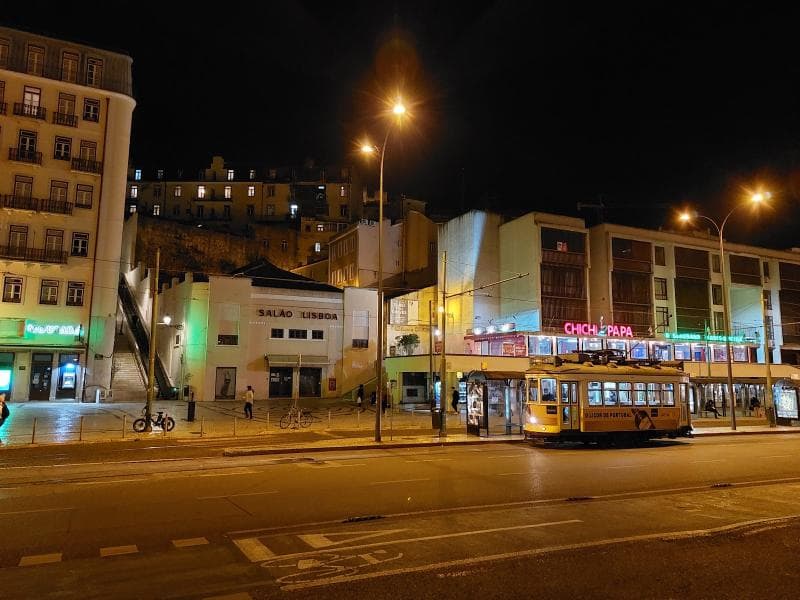
Explore Lisbon's historic 'Narrow Streets' along the iconic Tram 28 route in Alfama, Portugal. Discover ancient history and vibrant culture.
Overview
Lisbon's historic heart beats loudest in its labyrinthine 'Narrow Streets', particularly those embraced by the iconic Tram 28 route. These aren't merely pathways; they are living arteries that wind through centuries of history, connecting visitors to the true soul of the city. As the classic yellow trams, known as 'Eléctrico 28', rattle and weave through these ancient passages, they offer a unique window into Lisbon's enduring charm and character. The experience is less about getting from point A to B and more about immersing oneself in a timeless atmosphere, where every turn reveals a new facet of Portuguese heritage.
History & Cultural Background
The origins of Lisbon's narrow streets, especially in districts like Alfama and Mouraria, stretch back to the Moorish occupation in the 8th century. Designed for defensive purposes and to provide shade and coolness during scorching summers, these winding alleys contrast sharply with the grid-like planning seen in other parts of Lisbon, which were rebuilt after the devastating 1755 earthquake. Remarkably, Alfama, situated on bedrock, largely survived this cataclysm, preserving its medieval layout and character. This resilience means that these streets carry layers of history, showcasing influences from Roman, Visigothic, Jewish, and later Christian eras. They tell a story of resilience, housing generations of fishermen and working-class families, and becoming the birthplace of Fado music, Lisbon's melancholic and soulful musical expression.
What Makes It Special
What truly sets these narrow streets apart is their intricate dance with the legendary Tram 28. These vintage 'Remodelado' trams, dating back to the 1930s, are uniquely suited to navigate the impossibly tight corners, steep gradients, and undulating paths that modern vehicles simply cannot manage. The tram journey itself is a moving postcard, offering continuous, ever-changing views of pastel-colored buildings adorned with intricate tiles, clotheslines swaying overhead, and glimpses into local life. Beyond the tram, the streets themselves invite exploration on foot, leading to hidden courtyards, traditional tavernas, and breathtaking viewpoints, known as 'miradouros', that offer panoramic vistas of the Tagus River and the city's red-tiled rooftops.
Stories, Fun Facts & Local Details
The very name 'Alfama' is derived from the Arabic 'Al-hamma' or 'Al-hama', meaning 'hot springs' or 'good water', a nod to the area's ancient past. The drivers of Tram 28 are affectionately called 'guarda freios', or 'brakesmen', a testament to the demanding nature of maneuvering these classic trams up and down Lisbon's famously steep hills, with some tracks in Alfama considered among the world's steepest. As the tram navigates these close quarters, its bell rings constantly, a distinct sound echoing through the alleys, serving as a friendly warning to pedestrians. These streets are also where Fado music first emerged from the taverns, an emotional art form recognized by UNESCO as part of the World Intangible Cultural Heritage.
Visitor Perspective
Riding Tram 28 through Lisbon's narrow streets is often described as a quintessential Lisbon experience, a journey back in time. While incredibly popular, especially with tourists, it remains an integral part of the city's public transport network. For the best experience and a chance to secure a seat, it's often recommended to board early in the morning at the starting points like Martim Moniz or Campo de Ourique. However, many seasoned travelers suggest disembarking at various stops, particularly in Alfama, to explore the charming lanes on foot. This allows for a deeper appreciation of the district's hidden gems, from tiny cafes to artisanal shops, and to truly get lost in the authentic atmosphere that defines these historic streets.
Coordinates: -9.1293, 38.7121
View on Google Maps💬 How Travelers Describe This Place
Based on community votes
Unique
894Interesting
862Photogenic
443Beautiful
304Must See
35
Traveler Stories
Discover memorable experiences shared by travelers who have visited this place.
No traveler stories yet.
Be the first traveler to share what made this place memorable.

Tour
By
Spot
Discover amazing places around the world. Your journey starts here.
Explore
© 2026 TourBySpot. All rights reserved.