Graça District
Lisbon, Portugal
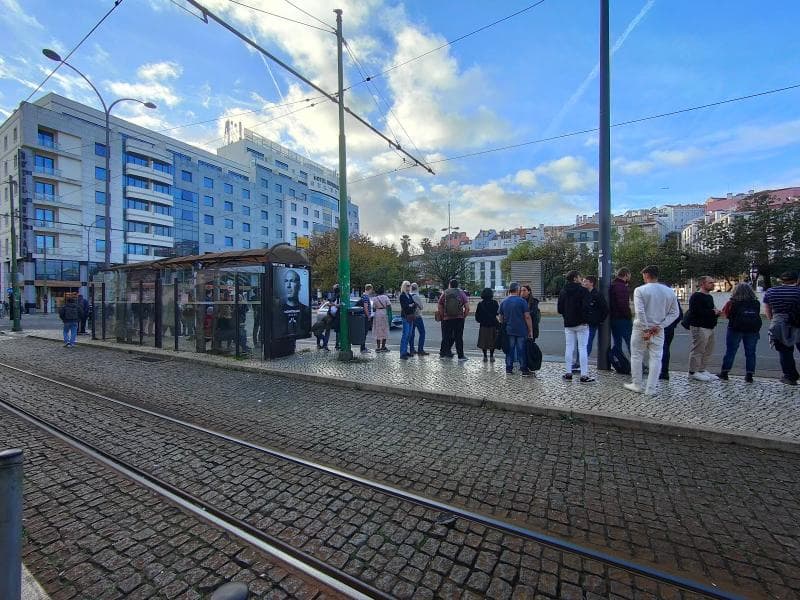
Discover Graça District in Lisbon, Portugal, an authentic neighborhood known for stunning panoramic viewpoints, rich history, and the iconic Tram 28 route.
Overview
Perched gracefully atop one of Lisbon's highest hills, the Graça District offers a captivating glimpse into the city's authentic soul, far removed from some of the more bustling tourist enclaves. This historic neighborhood, with its labyrinthine cobbled streets and traditional tiled facades, is intrinsically linked to the iconic Tram 28, which famously navigates its steep inclines and tight turns, bringing visitors and locals alike to its charming heart. Often described as a 'small-town' within the capital, Graça provides breathtaking panoramic vistas of Lisbon, the Tagus River, and the distant São Jorge Castle, particularly from its renowned ‘miradouros’ or viewpoints.
Graça distinguishes itself with a unique blend of quiet residential charm and vibrant local life. It's a place where history resonates in every corner, where traditional markets coexist with burgeoning street art, and where the sense of community remains strong despite its increasing popularity. Whether arriving by the rattling vintage tram or ascending on foot, Graça promises a rich and immersive experience for those eager to discover the true spirit of Lisbon.
History & Cultural Background
Graça's roots stretch back to medieval times, originally existing outside Lisbon's city walls. Its strategic elevation meant it was historically significant; military forces of King Afonso Henriques even settled here during the Siege of Lisbon in the 7th century. The district's name, ‘Graça’ (meaning ‘Grace’), originates from the Convento Nossa Senhora da Graça, a monastery founded in the following century.
The devastating 1755 earthquake profoundly reshaped Lisbon, and Graça played a crucial role in the city's rebuilding. Many homeless citizens and workers sought refuge here, settling on its affordable land and contributing to its post-earthquake population boom. Throughout the 19th and early 20th centuries, Graça evolved into a predominantly working-class neighborhood. The construction of the railway to Santa Apolónia station in 1865 transformed the area from rural to industrial, attracting workers who found accommodation in the distinctive ‘vilas operárias’ (workers' villages) built by factory owners.
What Makes It Special
What truly sets Graça apart are its unparalleled viewpoints and its preserved local character. As one of Lisbon's highest points, it offers several 'miradouros' that are among the city's finest. The Miradouro da Graça, officially known as Miradouro Sophia de Mello Breyner Andresen, is a popular spot, providing expansive views of São Jorge Castle, the Mouraria neighborhood, and central Lisbon. Just a short, steeper walk uphill leads to the Miradouro da Senhora do Monte, considered by many to offer the most panoramic view of almost the entire city, making it a favorite for sunset watchers.
Beyond the vistas, Graça retains a genuine residential atmosphere. Unlike some of Lisbon's more overtly commercialized areas, Graça feels lived-in and authentic, with local cafes, traditional restaurants, and neighborhood shops contributing to its welcoming community spirit. The presence of the iconic Tram 28, rumbling through its narrow streets, adds to its unique charm, providing a scenic and historic mode of transport that is part of the district's everyday rhythm.
Stories, Fun Facts & Local Details
Graça is a treasure trove of unique architectural and cultural details. Walking through its streets, one can observe decorative elements of Art Nouveau on some commercial spaces, reflecting its development in the early 20th century. The district is also known for its vibrant street art, including famous pieces like a work by Shepard Fairey and collaborations with Portuguese artists.
A notable feature is Vila Berta, a charming street from 1902, known for its strong community vibe and especially for its festive decorations during the annual 'Santos Populares' street festivals in June. The Feira da Ladra, Lisbon's oldest flea market, takes place nearby on Tuesdays and Saturdays, offering everything from antiques to unique crafts. For those seeking local flavors, Graça boasts traditional eateries, with some spots even serving inexpensive Portuguese meals favored by locals. The Igreja da Graça, originally built in 1271 and rebuilt after the 1755 earthquake, features baroque architecture and significant tile panels, and even houses an image of Christ taken through the streets in an annual Easter procession since 1587.
Visitor Perspective
Exploring Graça offers a profoundly rewarding experience for the curious traveler. Many begin their journey by taking the historic Tram 28 from Martim Moniz, an adventure in itself as the vintage tram climbs the steep, winding roads. Alighting in Graça, visitors are immediately immersed in a neighborhood that encourages slow exploration. The steep hills, while a challenge, are always rewarded with magnificent views.
A stroll allows for discovery of hidden courtyards, colorful tiled buildings, and the rhythmic daily life of Lisboners. The tranquil Jardim da Cerca da Graça offers a peaceful green space for relaxation, and several kiosks at the viewpoints provide a perfect spot to enjoy a drink while soaking in the scenery. Graça provides a sense of stepping back in time, offering an authentic and less-trodden path to understanding the heart of Lisbon, where history, local culture, and breathtaking vistas converge into an unforgettable experience.
Coordinates: -9.12949, 38.71827
View on Google Maps💬 How Travelers Describe This Place
Based on community votes
Unique
896Photogenic
550Must See
102Beautiful
95Interesting
28
Traveler Stories
Discover memorable experiences shared by travelers who have visited this place.
No traveler stories yet.
Be the first traveler to share what made this place memorable.

Tour
By
Spot
Discover amazing places around the world. Your journey starts here.
Explore
© 2026 TourBySpot. All rights reserved.