Toompea Castle
Tallinn, Estonia
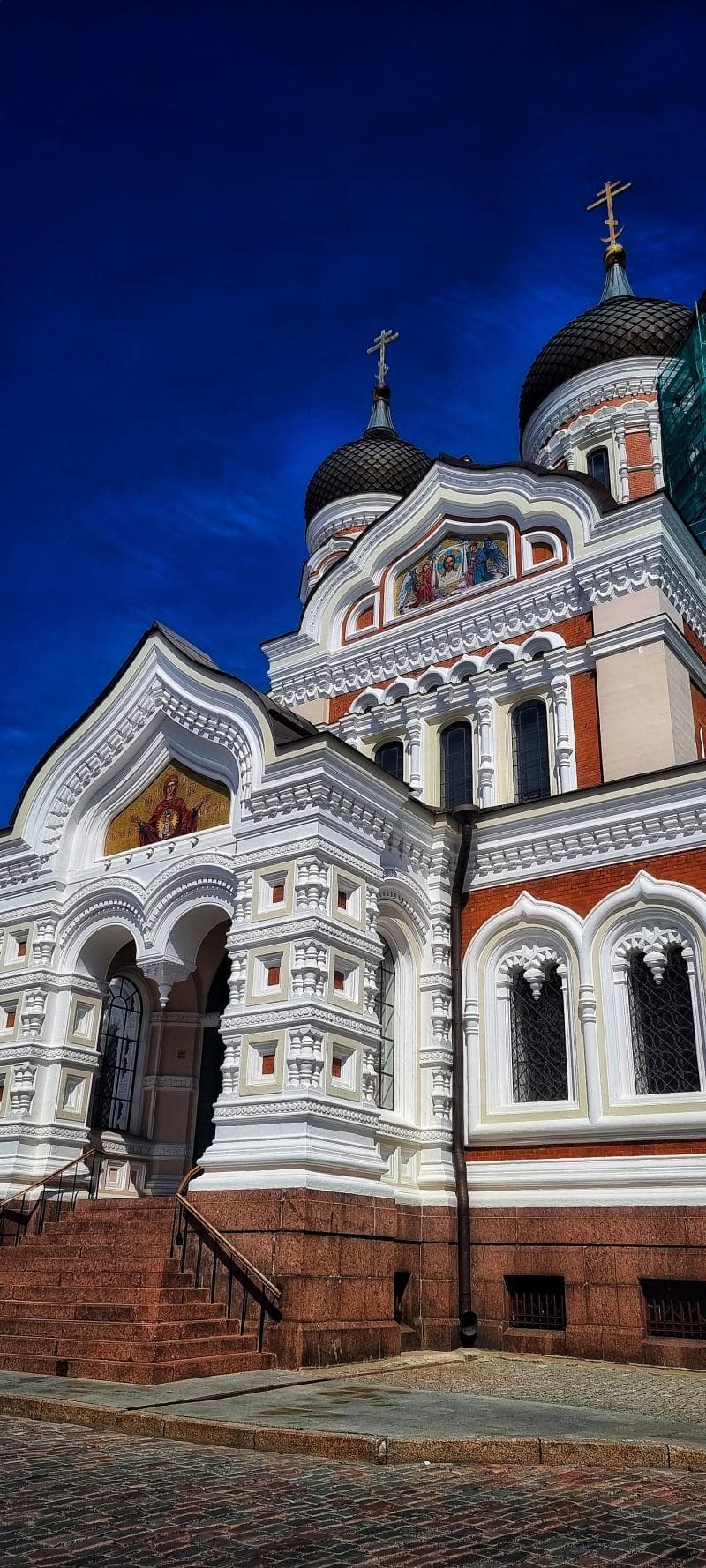
Explore Toompea Castle in Tallinn, Estonia, home to the Estonian Parliament. Discover its layered history, unique architecture, and iconic Tall Hermann tower.
Overview
Perched atop the ancient Toompea Hill in Tallinn, Estonia, Toompea Castle stands as a powerful symbol of the nation's enduring history and sovereignty. More than just a historic landmark, it serves as the current seat of the Estonian Parliament, known as the Riigikogu. Its distinctive facade, a striking blend of architectural styles from across centuries, tells a story of rulers and eras that have shaped Estonia. The castle complex, an integral part of Tallinn's UNESCO World Heritage-listed Old Town, invites visitors to step back in time and witness a living piece of Estonia's past and present.
History & Cultural Background
Toompea Castle's history is deeply intertwined with Estonia's very formation, acting as a continuous center of power for over 800 years. The earliest fortifications on Toompea Hill date back to at least the 9th century AD, initially as a wooden stronghold built by local Estonian rulers. A pivotal moment arrived in 1219 when Danish forces under Valdemar II conquered the site. The first stone castle was then established in 1227 by the German Knights of the Sword, marking the beginning of its transformation into a formidable stronghold. Over the centuries, control of Toompea Castle shifted among various powers, including the Danes, the Teutonic Order, Swedes, and Russians, each leaving their architectural and cultural imprint. A significant construction phase occurred between 1767 and 1773 under Catherine the Great, who ordered the addition of the Late Baroque and Neoclassical wing that now presents a palace-like main facade, contrasting with its medieval origins. Following Estonia's declaration of independence in 1918, a modern parliament building in an Expressionist style was constructed within the castle walls, unveiled in the early 1920s, symbolizing a new era for the nation.
What Makes It Special
What truly sets Toompea Castle apart is its remarkable architectural tapestry, showcasing a 'structural timeline' of Estonia's complex history. It's a rare example of a medieval fortress that continues to function as an active center of government. The blending of ancient limestone walls, the distinctive pink Baroque facade from the Russian imperial era, and the unique early 20th-century Expressionist parliament building creates an architectural mosaic unlike any other. At the heart of this complex stands the Pikk Hermann tower, also known as Tall Hermann. This impressive 45.6-meter (46m) high tower is an enduring national icon. Each morning, the blue, black, and white Estonian national flag is ceremoniously raised atop Tall Hermann, not only marking the start of the day but also serving as a powerful symbol of Estonia's independence and enduring spirit.
Stories, Fun Facts & Local Details
The history of Toompea Castle is rich with captivating tales and local legends. One popular myth suggests that the entire Toompea hill was not naturally formed but was lovingly constructed boulder-by-boulder by a mythological heroine named Linda. Another significant legend ties into the castle's Danish past: it's said that during a critical moment in the 1219 Battle of Lindanise, the Danish flag, Dannebrog, miraculously fell from the sky, rallying the Danish crusaders to victory. Interestingly, the modern name of Tallinn itself is possibly derived from 'Taani linna,' meaning 'Castle of the Danes' in archaic Estonian, reflecting the profound Danish influence on the city's early development. The castle's resilient nature is also a testament to its builders and caretakers; it has largely remained unconquered and undamaged by major fires, a fortunate fate that allows its diverse history to be appreciated today.
Visitor Perspective
Exploring Toompea Castle offers a unique glimpse into Estonia's political and architectural heritage. While the interior, as a high-security government building, requires specific access, visitors can freely explore the exterior and surrounding Toompea Hill. The vibrant pink Baroque facade, the imposing Tall Hermann tower, and the serene Governor's Garden are all easily accessible and provide excellent photo opportunities. Free guided tours of the Riigikogu (Parliament) building are available from Monday to Friday, offering insights into its history and current functions. These tours, which often require advance booking, are conducted in multiple languages, including English, Russian, and Estonian. It's also possible to observe parliament sessions from the public gallery. Whether you're admiring the castle's diverse architecture, watching the flag-raising ceremony, or delving into its storied past, Toompea Castle provides a meaningful connection to the heart of Estonia.
Coordinates: 24.737029108310807, 59.435731992086914
View on Google Maps💬 How Travelers Describe This Place
Based on community votes
Beautiful
673Photogenic
219Interesting
186Must See
143Unique
80
Traveler Stories
Discover memorable experiences shared by travelers who have visited this place.
No traveler stories yet.
Be the first traveler to share what made this place memorable.
Things to see at Toompea Castle



Tour
By
Spot
Discover amazing places around the world. Your journey starts here.
Explore
© 2026 TourBySpot. All rights reserved.