Tirana Castle
Tirana, Albania
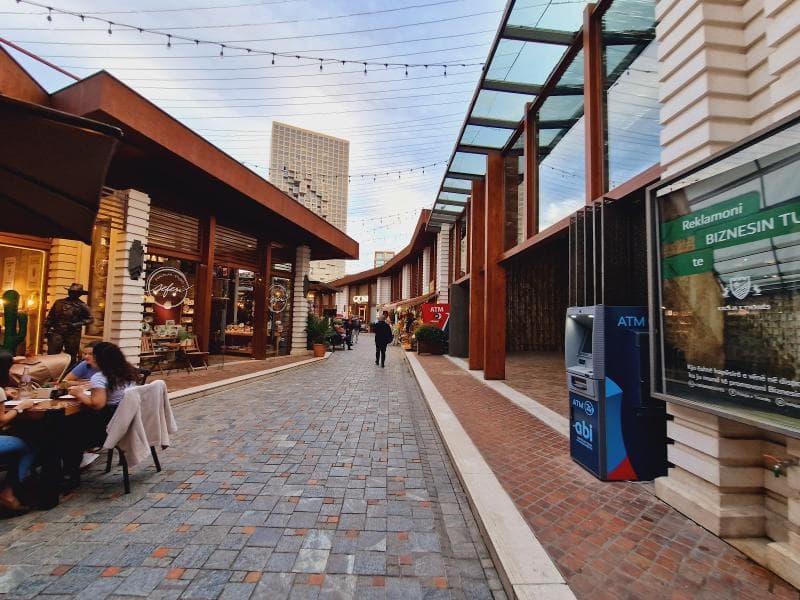
Explore Tirana Castle in Tirana, Albania – a historic site blending Byzantine origins with a vibrant modern cultural hub, artisan shops, and local cuisine.
Overview
Tirana Castle, locally known as Kalaja e Tiranës, stands as a captivating blend of ancient history and modern vibrancy in the heart of Albania's capital. Often referred to as the Fortress of Justinian, this historic site is more than just a collection of ancient ruins; it has been transformed into a dynamic cultural and commercial hub. Located in Tirana's bustling city center, it is easily accessible and serves as a natural starting point for exploring the city. Entry to the castle grounds is free of charge, making it an inviting destination for all who wish to immerse themselves in a unique atmosphere where tradition meets contemporary Albanian life.
History & Cultural Background
The origins of Tirana Castle stretch back to the Byzantine era, with its roots potentially dating to the 6th century. It is believed to have been built or rebuilt under Emperor Justinian I, hence its alternative name, the Fortress of Justinian. This strategic fortification played a crucial role, positioned at the crossroads of important ancient routes that connected the Adriatic coast with the interior, safeguarding the region from invasions.
Over centuries, the castle underwent significant transformations. During the Ottoman Empire's rule, beginning in the 15th century, the site was adapted to meet new defensive and administrative needs, with architectural elements added that reflect this period. In the late 18th century, Ahmet Pasha Bargjini reportedly built a new castle on its ruins, which later became associated with the powerful Toptani family. This led to a period of feuds and eventual demolition of the castle in 1832 by the Ottoman Grand Vizier Reşid Mehmed Pasha. Despite these tumultuous changes, segments of the original walls endured. The Castle of Tirana was recognized for its cultural significance, declared a monument of culture in 1973, with further wall sections receiving this protection in 2008. Since December 2018, the site has been revitalized, reopening to visitors as a modern cultural and commercial space.
What Makes It Special
What sets Tirana Castle apart is its innovative reincarnation from historical ruins into a lively pedestrian zone. It represents a living testament to Albania's layered past, seamlessly integrated into the present. The 'Old Bazaar' within the castle walls is a central highlight, featuring artisan shops, charming cafes, and traditional restaurants. Here, visitors can discover unique handmade crafts, sample local delicacies, and experience the fusion of old-world charm with contemporary Albanian creativity. The surrounding Murat Toptani Street, a pedestrian promenade, incorporates exposed wall foundations, allowing visitors to walk alongside tangible pieces of history. The castle serves not only as a point of historical interest but also as a vibrant cultural hub, regularly hosting events, art exhibitions, and concerts that attract both locals and tourists.
Stories, Fun Facts & Local Details
While commonly called Tirana Castle, it's important for visitors to manage expectations; it is not a fully preserved medieval fortress with towering battlements, but rather a compelling reinterpretation of a historical footprint. The allure lies in its contrast: ancient defensive masonry, visible in fragments and integrated into the urban fabric, against a backdrop of bustling modern life. The site's continuous occupation and adaptation speak volumes about Tirana's resilience. The association with Emperor Justinian I, though possibly a local memory attached to the original Byzantine fortress, underscores its deep historical roots. The Toptani family, prominent in Albanian history, played a significant role in the castle's later centuries, owning the property and contributing to its present-day development as a public-private partnership. Today, it stands as an engaging example of urban regeneration, where history provides the foundation for a thriving cultural and culinary environment focused on traditional Albanian offerings.
Visitor Perspective
Visiting Tirana Castle is an enjoyable and insightful experience for any traveler. Its central location makes it incredibly convenient to reach, often just a short walk from other major Tirana landmarks like Skanderbeg Square and the National History Museum. The pedestrian-friendly environment encourages leisurely exploration, inviting guests to wander through its charming courtyards. With free entry to the grounds, visitors can leisurely browse the artisan shops, sip traditional Albanian coffee at cozy cafes, and savor local cuisine in the restaurants. Many find the castle particularly enchanting in the evening when the atmosphere comes alive with social activity. It offers a unique opportunity to connect with Tirana's rich past while simultaneously experiencing the city's dynamic present-day culture, making it an essential stop on any Albanian journey.
Coordinates: 19.81866, 41.32744
View on Google Maps💬 How Travelers Describe This Place
Based on community votes
Beautiful
476Unique
465Interesting
276Must See
128Photogenic
126
Traveler Stories
Discover memorable experiences shared by travelers who have visited this place.
No traveler stories yet.
Be the first traveler to share what made this place memorable.
Things to see at Tirana Castle



Tour
By
Spot
Discover amazing places around the world. Your journey starts here.
Explore
© 2026 TourBySpot. All rights reserved.