Artisan Shops
Tirana, Albania
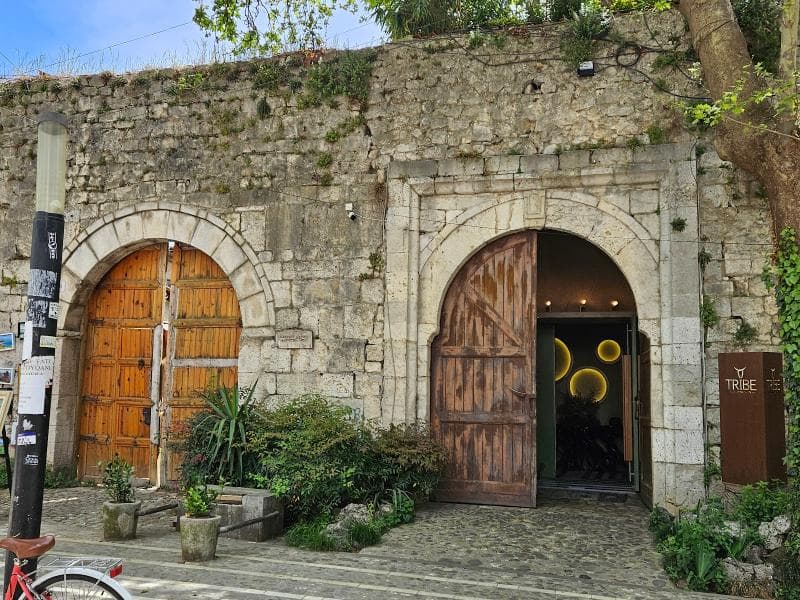
Discover unique handmade crafts and local products at the Artisan Shops within Tirana Castle, Tirana, Albania. Immerse in history and culture.
Overview
Nestled in the vibrant heart of Tirana, Albania, the Artisan Shops at Tirana Castle (Kalaja e Tiranës) offer a captivating blend of ancient history and contemporary culture. More than just a historical monument, this revitalized pedestrian zone has transformed into a lively hub where visitors can immerse themselves in traditional Albanian craftsmanship. Within the castle's old perimeter, an 'Old Bazaar' thrives, showcasing a rich array of handmade goods and local products. It serves as a testament to Albania's enduring artisan traditions, providing a unique shopping and cultural experience away from the bustling city streets.
History & Cultural Background
Tirana Castle, also known as the Fortress of Justinian, boasts a history stretching back to the 6th century under Emperor Justinian I. Originally a Byzantine stronghold, it was strategically built to protect trade routes and the fertile plains where modern Tirana now stands. Over centuries, the fortress witnessed the city's growth and underwent expansions during the Ottoman Empire, serving vital defensive and administrative roles. While much of the original fortress structure has evolved or blended into the urban landscape, remnants of its imposing walls can still be observed along Murat Toptani Street, a beloved pedestrian promenade. The castle's transformation into a cultural and commercial space, including the development of the 'Old Bazaar,' began to truly flourish around December 2018, breathing new life into these ancient grounds.
What Makes It Special
The Artisan Shops within Tirana Castle are a celebration of Albanian heritage, offering an authentic glimpse into skills passed down through generations. Unlike generic souvenir stalls, these shops are deeply rooted in local tradition. Visitors can find an impressive variety of handmade jewelry, intricate ceramics, and beautifully woven textiles, each piece telling a story of Albanian artistry. Beyond crafts, the bazaar also features local culinary delights, such as olive oil, wine, and herbal products, allowing travelers to taste the region's bounty. The charm lies in its immersive atmosphere, where one can wander among stone archways and wooden stalls, and even observe artisans at work, creating their masterpieces. This direct engagement fosters a genuine connection between the visitor and the vibrant Albanian culture, ensuring a meaningful and memorable experience.
Stories, Fun Facts & Local Details
The spirit of Tirana Castle's artisan district is one of revival and connection. The revitalization of this historic site, involving collaborations between the Toptani family (who own parts of the castle) and the Tirana Municipality, has turned what was once a mere ruin into a dynamic cultural destination. The 'Old Bazaar' inside the castle is considered a 'newest jewel' of Tirana, symbolizing a meeting point where modern life embraces ancient traditions. The pedestrian zone itself, Kalaja e Tiranës, hosts art galleries, bookstores, and traditional restaurants, further enriching the cultural tapestry. It's a place where history resonates not just through ancient stones, but through the hands of contemporary artisans who keep Albania's cultural flame alive, offering handcrafted items that reflect the nation's identity and artistic talent.
Visitor Perspective
For a curious traveler, the Artisan Shops at Tirana Castle offer an enriching and sensory journey. It's an opportunity to step away from the usual tourist paths and delve into the authentic heart of Tirana. Walking through the castle's historic walls, visitors are greeted by a lively mix of sights, sounds, and smells. You can browse unique, handmade crafts, engage with local artisans, and perhaps even find the perfect, one-of-a-kind souvenir to take home. The central location makes it easily accessible, providing a peaceful oasis where history and contemporary life merge seamlessly. It's a place to linger, to appreciate the craftsmanship, enjoy a coffee in a charming cafe, and truly feel the pulse of Albanian tradition in a beautifully restored setting.
Coordinates: 19.82258, 41.32655
View on Google Maps💬 How Travelers Describe This Place
Based on community votes
Must See
873Photogenic
521Unique
477Beautiful
422Interesting
157
Traveler Stories
Discover memorable experiences shared by travelers who have visited this place.
No traveler stories yet.
Be the first traveler to share what made this place memorable.

Tour
By
Spot
Discover amazing places around the world. Your journey starts here.
Explore
© 2026 TourBySpot. All rights reserved.