Courtyard Spaces
Tirana, Albania
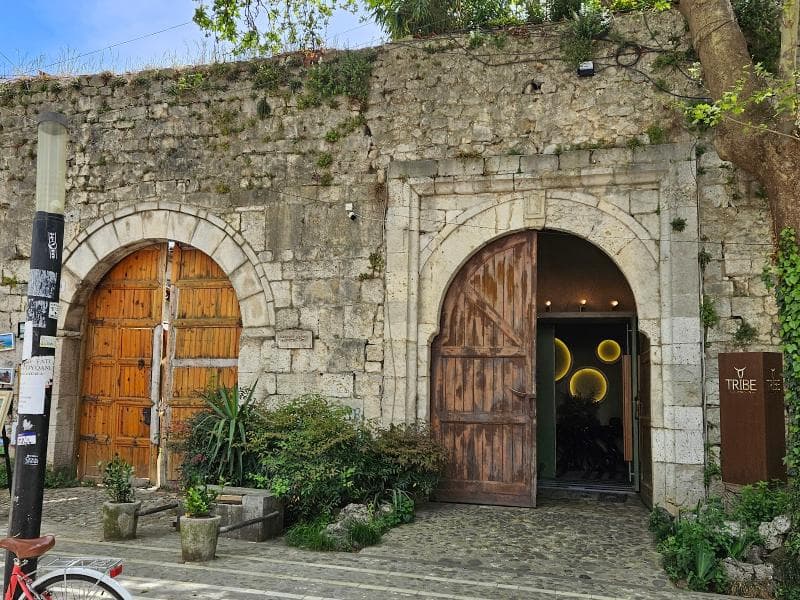
Explore the vibrant Courtyard Spaces of Tirana Castle, a cultural hub in Tirana, Albania, blending ancient history with modern life.
Overview
Tirana Castle, locally known as Kalaja e Tiranës, offers a unique blend of ancient history and vibrant modern life right in the heart of Albania's capital. While not a traditional towering fortress, what remains has been thoughtfully revitalized into dynamic 'Courtyard Spaces' – an engaging cultural and commercial center. This area, often referred to as the 'Old Bazaar' of the castle, invites travelers to step into a pedestrian-friendly oasis where history is palpable and contemporary Albanian culture thrives. It's a place where old stone walls, remnants of Byzantine and Ottoman eras, now frame bustling cafes, artisan shops, and traditional restaurants, creating a captivating atmosphere for exploration and relaxation.
Situated strategically near key city landmarks like Skanderbeg Square, the castle grounds provide a charming escape. Visitors can wander through cobbled paths, discover local crafts, and savor traditional Albanian cuisine, all within a setting that gracefully marries the past with the present. It serves as a testament to Tirana's enduring spirit and its ability to reinvent its historical treasures for a new generation of locals and international guests alike.
History & Cultural Background
The origins of Tirana Castle, also known as the Fortress of Justinian, stretch back to the Byzantine era, with its history dating prior to 1300. Some historians suggest it may have been built or rebuilt by the 6th-century Emperor Justinian I, a testament to its ancient roots and strategic importance. This fortress occupied a crucial position where the main east-west and north-south roads intersected, making it the very heart of the early town of Tirana. Over centuries, the castle witnessed various transformations, including significant Ottoman influences.
During the late 18th century, a new castle was erected on these ancient ruins, followed by periods of feuding and eventual demolition in 1832 under Ottoman orders. Despite its turbulent past, what remains today, including a six-meter-high Ottoman-era wall, has been preserved and declared a monument of culture. The castle's transformation into its current form began in December 2018, opening its 'Courtyard Spaces' as a modern cultural and commercial hub. This revitalization project, a collaboration between the Toptani Family (who owned portions of the land) and Tirana Municipality, breathed new life into these historic grounds, ensuring their relevance in contemporary Tirana.
What Makes It Special
The 'Courtyard Spaces' of Tirana Castle are special because they represent a living bridge between Tirana's ancient past and its dynamic present. Unlike many historical sites that stand as static ruins, this area has been reimagined as a vibrant, functional space where daily life unfolds amidst centuries-old stones. What makes it truly unique is the successful integration of a traditional bazaar concept within a historical fortress. Here, the 'Old Bazaar' is not merely a collection of shops, but a cultural and culinary environment that celebrates Albanian heritage.
Visitors are drawn to its charming blend of old-world architecture and modern amenities. The pedestrianized Murat Toptani Street, incorporating newly exposed wall foundations, guides visitors through a delightful array of traditional restaurants, craft shops, and cafes. It's a place where you can dine on traditional Albanian dishes, find unique souvenirs reflecting the city's history and art, or simply enjoy a coffee in a setting steeped in historical ambiance. The absence of an entrance fee for public areas further enhances its appeal, making it an accessible cultural experience for everyone.
Stories, Fun Facts & Local Details
The phrase 'Gurë gurë bëhet mur, mur mur bëhet kala' ('Stone stone becomes a wall, wall wall becomes a fortress') is a local Albanian proverb that perfectly encapsulates the spirit of Tirana Castle's enduring presence and its ongoing evolution. It suggests that great things are achieved through small, continuous steps. This proverb mirrors the castle's history, which has seen it rebuilt and repurposed over centuries, continually adapting to the needs of the city.
A fun aspect of the 'Courtyard Spaces' is their transformation into a vibrant cultural marketplace, often drawing comparisons to an open-air museum where traditions are kept alive. You might find local artisans demonstrating their craft, from intricate mosaics to traditional textiles, offering a glimpse into skills passed down through generations. The castle complex is sometimes informally referred to as 'Toptani Castle' due to the influential Toptani family's long association with the site and their involvement in its recent revitalization. This family, originating from Krujë, played a significant role in Tirana's history, even governing parts of Albanian territories during the Ottoman rule.
Visitor Perspective
From a visitor's perspective, the 'Courtyard Spaces' of Tirana Castle offer a delightfully cozy and inviting experience. It's not the grand, imposing fortress one might typically imagine, but rather a charming pedestrian zone that prioritizes atmosphere and cultural immersion over monumental scale. Many travelers appreciate the opportunity to simply stroll along the cobblestone paths, explore the diverse eateries and artisan shops, and soak in the vibrant ambiance that is particularly enchanting in the evenings when the area is beautifully lit.
The ease of access, being located centrally and reachable on foot from Skanderbeg Square, makes it a convenient stop on any Tirana itinerary. While some visitors might initially expect more significant ancient ruins, the blend of historical fragments with modern commercial and cultural activity provides a unique insight into Tirana's contemporary identity. It's an excellent place to enjoy local street food, discover unique souvenirs, and engage with the city's living culture, offering a dynamic and memorable experience rather than just a historical observation.
Coordinates: 19.82194, 41.32639
View on Google Maps💬 How Travelers Describe This Place
Based on community votes
Interesting
722Unique
698Must See
276Beautiful
126Photogenic
19
Traveler Stories
Discover memorable experiences shared by travelers who have visited this place.
No traveler stories yet.
Be the first traveler to share what made this place memorable.

Tour
By
Spot
Discover amazing places around the world. Your journey starts here.
Explore
© 2026 TourBySpot. All rights reserved.