Stone Passageways
Tirana, Albania
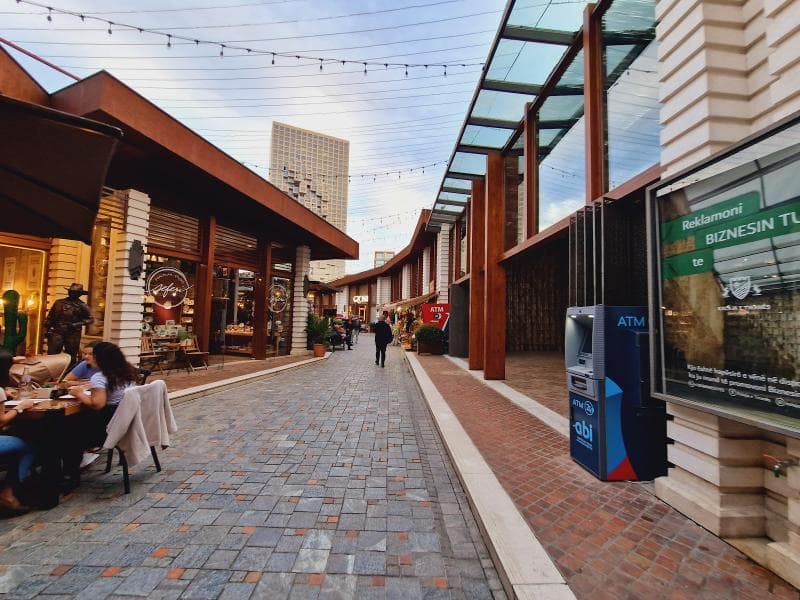
Explore the ancient Stone Passageways of Tirana Castle in Tirana, Albania, where Byzantine foundations blend with a vibrant cultural hub.
Overview
Deep within the vibrant heart of Tirana, Albania, lies a captivating convergence of past and present known as Tirana Castle. More than just a ruin, this site, often referred to as the Fortress of Justinian, has been thoughtfully transformed into a bustling cultural and commercial hub. Amidst modern cafes and artisan shops, visitors can discover the ancient 'Stone Passageways' – not elaborate underground tunnels, but rather the preserved remnants of the castle's original stone foundations, walls, and pathways that whisper tales of centuries past. These exposed archaeological layers offer a tangible link to Tirana's profound historical lineage, inviting curious travelers to walk through history while engaging with contemporary Albanian life.
History & Cultural Background
The history of Tirana Castle stretches back to the Byzantine era, with its origins potentially dating to the 4th to 6th centuries AD, or even earlier, before 1300. It was initially known as the Fortress of Justinian, named after Emperor Justinian I, who was renowned for fortifying many Balkan sites. This strategic fortification stood at the crucial intersection of major east-west and north-south roads, establishing itself as the very heart of the burgeoning town that would eventually become Tirana.
Over the centuries, the castle endured numerous transformations. During the Ottoman period, particularly in the late 18th century, Ahmet Pasha Bargjini rebuilt parts of the castle on its older foundations. Later, it became a focal point of conflict between powerful Albanian families, notably the Toptanis, who took control in 1798. The castle suffered significant damage during a five-month siege in 1817. By 1832, much of the fortress was deliberately demolished by Ottoman orders, yet its resilient spirit lived on.
Today, the 'Stone Passageways' you encounter are primarily the recently unearthed and integrated wall foundations, remnants of these Byzantine and Ottoman eras. Sections of 6-meter-high Byzantine walls remain visible, and these ancient stones, once part of a formidable defensive structure, now guide visitors through the pedestrianized Murat Toptani Street, weaving history into the urban fabric.
What Makes It Special
What truly sets the 'Stone Passageways' within Tirana Castle apart is their seamless integration into modern Tirana. Unlike traditional, fully preserved castles, this site presents a unique archaeological park where ancient stone walls and excavated foundations are not merely artifacts behind ropes but living parts of a contemporary urban space. The site offers a rare opportunity to literally walk upon layers of history. Imagine stepping onto stones that have witnessed Byzantine emperors, Ottoman pashas, and the daily lives of countless generations.
The current cultural and commercial space built around these ancient remnants creates a vibrant atmosphere where the past is not isolated but celebrated and made accessible. It is a place where one can sip a coffee or browse local crafts surrounded by the very stones that defined Tirana's earliest existence. This blend of ancient craftsmanship and modern utility makes the Stone Passageways a compelling testament to Tirana's continuous evolution and its dedication to preserving its rich heritage.
Stories, Fun Facts & Local Details
- The Byzantine Crossroads: The castle's original location was chosen for its strategic importance at the crossing of major ancient routes, making it a bustling center for trade and military control.
- Whispers of Fortification: The remaining walls, some reaching 6 meters in height, are tangible evidence of the castle's formidable Byzantine defenses. Archaeological excavations have uncovered a wealth of artifacts, including coins, pottery, and inscriptions, helping historians piece together its complex story.
- A Proverb in Stone: An Albanian proverb, 'Gurë gurë bëhet mur, mur mur bëhet kala' ('Stone by stone a wall is built, wall by wall a castle is made'), beautifully encapsulates the essence of this site. It speaks to the incremental effort of building something great, much like the castle itself was built over centuries, one stone at a time.
- Modern Revival: Since December 2018, the castle area has been open to visitors as a cultural space, featuring an 'Old Bazaar' with traditional cooking, art, and souvenir shops, all nestled within and around the historical stone structures.
Visitor Perspective
Visiting the 'Stone Passageways' at Tirana Castle is not like exploring a traditional, grand medieval fortress with intact towers and battlements. Instead, it offers a more intimate and integrated historical experience. As you wander through the pedestrian zones, the ancient stone foundations and walls emerge from beneath your feet and alongside pathways, inviting you to touch the smooth, time-worn surfaces. It’s a chance to connect with the very bedrock of Tirana's past, feeling the echoes of bygone eras amidst the lively hum of the present.
The charm lies in this unexpected fusion: finding history not in a secluded relic, but alive and breathing within the daily rhythms of the city. You're encouraged to take your time, appreciate the intertwining of ancient stone with modern architecture, and perhaps ponder the lives that unfolded within these walls over more than a millennium. It's a unique opportunity to witness how Tirana embraces its layered history, making it an accessible and meaningful part of contemporary urban life.
Coordinates: 19.82194, 41.32639
View on Google Maps💬 How Travelers Describe This Place
Based on community votes
Must See
569Unique
476Interesting
465Photogenic
276Beautiful
128
Traveler Stories
Discover memorable experiences shared by travelers who have visited this place.
No traveler stories yet.
Be the first traveler to share what made this place memorable.

Tour
By
Spot
Discover amazing places around the world. Your journey starts here.
Explore
© 2026 TourBySpot. All rights reserved.