Fortress Walls
Tirana, Albania
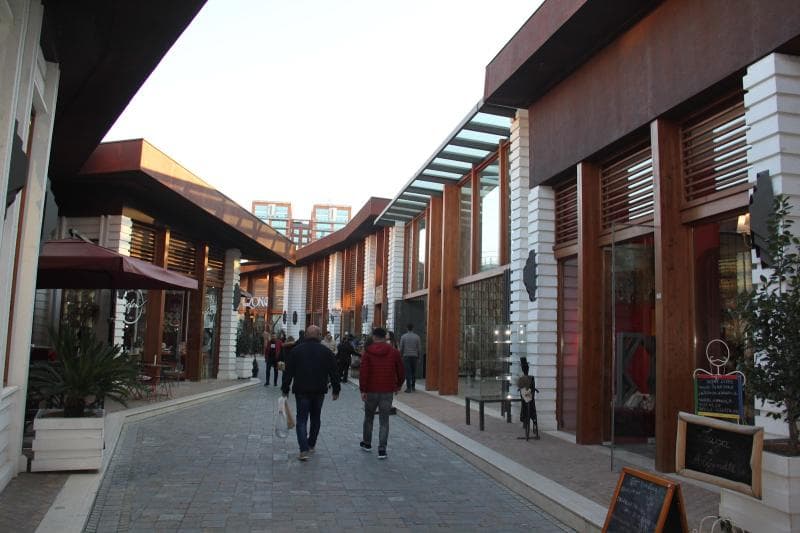
Explore the ancient Fortress Walls of Tirana Castle in Tirana, Albania. Discover Byzantine and Ottoman history, cultural insights, and a vibrant pedestrian hub.
Overview
The Fortress Walls, nestled within Tirana Castle (also known as Kalaja e Tiranës or the Fortress of Justinian), offer a captivating journey through Albania's layered past. Located in the very heart of Tirana, this site is not a sprawling, fully preserved medieval castle in the traditional sense. Instead, it represents the resilient fragments of Tirana's ancient fortified core, woven seamlessly into the fabric of the modern city. What remains visible today are sections of these historic walls, carefully preserved and integrated into a lively pedestrian zone. This area now thrives as a cultural and commercial hub, boasting an array of shops, inviting cafes, and traditional restaurants. The castle's strategic location, where principal east-west and north-south ancient roads once intersected, underscores its historical significance as the nucleus of the early settlement that eventually blossomed into the vibrant capital city of Tirana.
History & Cultural Background
The origins of Tirana Castle's Fortress Walls trace back to the Byzantine era, with archaeological evidence suggesting construction or significant reconstruction as early as the 4th to 6th centuries AD under Emperor Justinian I. These fortifications were crucial in their time, acting as a vital military stronghold that safeguarded the nascent city and surrounding areas against various invasions, while also controlling important trade routes across the Balkans. As centuries passed, the castle underwent considerable transformations. With the advent of Ottoman rule in the 15th century, the fortress was further reinforced, with new walls and defensive structures added to meet evolving military demands. A prominent feature still visible today is an approximately 6-meter (20-foot) high Ottoman-era wall, partially covered in verdant vines, offering a tangible link to this period. The castle also holds a connection to the influential Toptani family, who were associated with its rebuilding after a significant siege in 1817. Tragically, much of the castle was later demolished in 1832 by the Ottoman Grand Vizier Reşid Mehmed Pasha. Recognizing its profound historical value, the Castle of Tirana was officially declared a first-category cultural monument in 1973, with newly uncovered sections of the walls receiving similar protection in 2008, affirming their enduring legacy.
What Makes It Special
The unique charm of Tirana Castle's Fortress Walls lies in their extraordinary ability to bridge millennia of history with contemporary urban life. Unlike many ruins that stand as isolated historical remnants, these walls have been thoughtfully re-envisioned as a dynamic, living space. They form the backdrop for a distinctive cultural and commercial hotspot, often referred to as a 'bazaar-like area,' where the echoes of ancient civilizations harmoniously coexist with the pulse of modern Tirana. This innovative integration allows visitors to literally walk alongside history while engaging with the present. It serves as a 'living testament' to Albania's rich and diverse heritage, showcasing a seamless blend of Byzantine and Ottoman architectural influences. Within the pedestrianized confines defined by these ancient fortifications, a vibrant ecosystem of traditional Albanian restaurants, artisan craft shops, and various cultural events has flourished, creating an immersive and multi-sensory experience that is truly one-of-a-kind.
Stories, Fun Facts & Local Details
The Fortress Walls of Tirana Castle are imbued with stories and cultural nuances that bring its stones to life. A meaningful local Albanian proverb, 'Gurë gurë bëhet mur, mur mur bëhet kala,' which translates to 'Stone stone becomes a wall, wall wall becomes a fortress,' encapsulates the spirit of perseverance and incremental progress reflected in the castle's long history. It suggests that even monumental achievements begin with small, deliberate steps. Visitors today can observe how recently unearthed wall foundations have been thoughtfully incorporated into the modern pedestrian Murat Toptani Street, showcasing a respectful blend of past and present urban planning. Furthermore, archaeological efforts have unveiled Byzantine-era mosaics, hinting at the artistic and architectural sophistication of earlier periods. A significant development in recent history was the castle's transformation into a public attraction. Following extensive restoration efforts, partly in collaboration with the Toptani Family and the Tirana Municipality, the site officially opened its doors to visitors in December 2018. As dusk falls, the Fortress Walls take on a new allure, often beautifully illuminated. This magical lighting creates a warm and romantic ambiance, inviting visitors for an evening stroll, a leisurely dinner, or simply to capture picturesque moments.
Visitor Perspective
For the curious traveler, a visit to the Fortress Walls of Tirana Castle offers a deeply engaging and unique experience. It is essential to approach this site not as a grand, imposing fortress with intact towers and battlements, but rather as a captivating fragment – a 'quieter glimpse' into Tirana's foundational past before it evolved into the bustling capital it is today. Visitors are encouraged to stroll along the ancient walls and navigate the charming cobblestone paths that wind through the interior. Here, one can soak in the vibrant atmosphere created by the blend of historical architecture and modern amenities. The area functions as a welcoming cultural, dining, and shopping quarter, providing numerous opportunities to relax at a cafe, savor traditional Albanian cuisine, or browse local artisan crafts. The entrance to this historical area is typically free, making it an accessible and enriching destination for all. Appreciating the Fortress Walls means embracing this distinctive fusion of heritage and contemporary life, understanding that the true essence of Tirana Castle lies in its resilient stones, which continue to tell stories of empires, trade, and the enduring spirit of the city.
Coordinates: 19.81889, 41.3275
View on Google Maps💬 How Travelers Describe This Place
Based on community votes
Beautiful
915Interesting
873Photogenic
422Must See
123Unique
53
Traveler Stories
Discover memorable experiences shared by travelers who have visited this place.
No traveler stories yet.
Be the first traveler to share what made this place memorable.

Tour
By
Spot
Discover amazing places around the world. Your journey starts here.
Explore
© 2026 TourBySpot. All rights reserved.