Tbilisi Botanical Garden
Tbilisi, Georgia
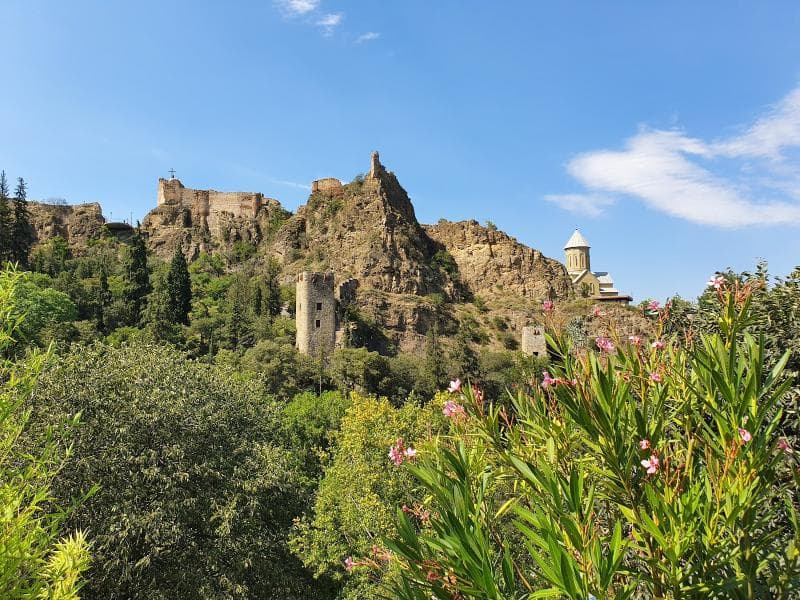
Discover the National Botanical Garden of Georgia in Tbilisi, a historic oasis boasting over 4,500 plant species and centuries of history.
Overview
The National Botanical Garden of Georgia, commonly known as the Tbilisi Botanical Garden, offers a verdant sanctuary in the bustling capital of Tbilisi, Georgia. Spanning approximately 161 hectares, this extensive green space functions as a leading research and conservation institution. Nestled within the picturesque Tsavkisis-Tskali Gorge, on the southern foothills of the Sololaki Range, the garden presents a stunning natural landscape integrated with the city's historical backdrop.
Its diverse terrain, featuring winding paths and lush groves, provides a peaceful urban escape. The garden boasts over 4,500 plant species, showcasing flora from the Caucasus region and various global origins. A highlight is the majestic Tsavkisistskali Waterfall, where water cascades down a cliffside, creating a serene and picturesque scene.
History & Cultural Background
The Tbilisi Botanical Garden's history spans over three centuries, making it one of the region's oldest. Its origins trace back to royal gardens established in the 17th century. French traveler Jean Chardin documented these royal gardens in 1671. Prince Vakhushti Bagrationi's 1735 map of Tbilisi also depicted these 'fortress gardens.'
After being pillaged in the 1795 Persian invasion, the garden was revived in the early 19th century. It officially became the 'Tiflis Botanical Garden' in 1845, marking its transformation into a formal scientific institution. Through continuous expansion and scholarly contributions, it developed into the distinguished National Botanical Garden of Georgia recognized today.
What Makes It Special
The Tbilisi Botanical Garden stands out due to its unique blend of natural beauty, historical significance, and active conservation. Unlike many manicured European gardens, a significant portion maintains a semi-wild character, offering an experience closer to a refreshing hike. Its hilly terrain, with varied elevations, creates diverse microclimates and spectacular views.
The garden acts as a vital living archive of Georgian flora, safeguarding numerous rare and endangered plant species. It serves as a genetic repository, actively engaging in environmental education, collaborative research, and international seed exchange. This scientific commitment is balanced with its aesthetic appeal, showcased through thematic zones such as the tranquil Japanese Garden, the vibrant Rose Garden, and a fragrant Lilac Garden.
Architectural and natural features further define its distinctiveness. The Tsavkisistskali River carves through the garden, creating picturesque gorges and waterfalls. Historic bridges, including one from 1898 and an arching bridge from 1914 over the main waterfall, offer breathtaking photographic opportunities. Its location bordering the ancient Narikala Fortress, with visible remnants of old structures, intrinsically weaves Georgia's past into its stunning natural present.
Stories, Fun Facts & Local Details
The Tbilisi Botanical Garden is rich with intriguing stories. An old Muslim cemetery within its grounds serves as a poignant historical remnant and burial site for figures like Azerbaijani writer Mirza Fatali Akhundov. This offers reflection on Tbilisi's diverse cultural history.
A curious detail is a tunnel, carved through rock between 1909 and 1914, once a functional gateway. This historic tunnel was repurposed into 'Gvirabi', reputedly Georgia's largest nightclub, adding an unexpected contemporary layer.
For adventure seekers, a 270-meter zipline descends from Narikala Fortress, offering a unique aerial perspective. A remarkable natural wonder is an oak tree, over 300 years old, affectionately called 'Grandpa' by locals. Its massive trunk stands as a silent witness to centuries of history, having survived invasions and natural disasters.
Historically, the garden distributed free seedlings to city residents in 1845. During the Soviet era, it functioned as a vital research center, focusing on Caucasian flora and plant development.
Visitor Perspective
Visiting the National Botanical Garden of Georgia offers a distinct and enriching experience. It provides a wonderful contrast to the bustling streets of Old Tbilisi, offering tranquility and connection with nature just minutes from the city center. The garden's hilly terrain means exploration often feels like a refreshing hike, so comfortable footwear is highly recommended.
Access is convenient via a steep path from the sulfur baths district along Botanikuri Street to the main entrance. Alternatively, for panoramic city views, a cable car from Rike Park leads to Narikala Fortress, providing easy access to the garden's upper entrance. This allows for a pleasant downhill walk, concluding near the sulfur baths.
While beautiful year-round, early spring to autumn is particularly enchanting, with many plants in bloom, filling the air with fragrances and vibrant colors. A visit typically spans two to three hours. Beyond aesthetics, the garden offers a cooler environment during Tbilisi's hotter months, serving as a natural refuge. It is an ideal spot for nature lovers, photographers, and anyone seeking a quiet retreat to immerse themselves in Georgia's rich botanical heritage.
Coordinates: 44.80283, 41.68583
View on Google Maps💬 How Travelers Describe This Place
Based on community votes
Beautiful
517Unique
422Interesting
394Photogenic
269Must See
251
Traveler Stories
Discover memorable experiences shared by travelers who have visited this place.
No traveler stories yet.
Be the first traveler to share what made this place memorable.
Things to see at Tbilisi Botanical Garden



Tour
By
Spot
Discover amazing places around the world. Your journey starts here.
Explore
© 2026 TourBySpot. All rights reserved.