Bridges
Tbilisi, Georgia
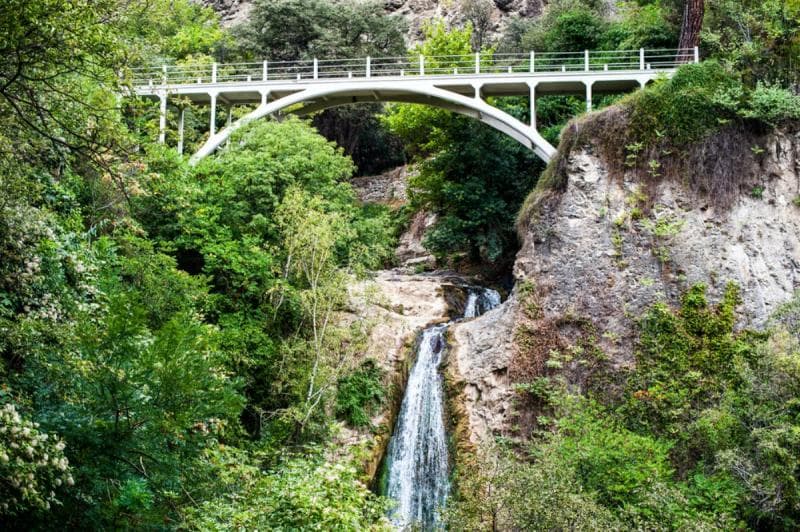
Discover the historic bridges of Tbilisi Botanical Garden, Georgia, offering stunning views over the Tsavkisistskali River and its iconic waterfall.
Overview
Within the verdant expanse of the National Botanical Garden of Georgia in Tbilisi, a series of enchanting bridges crisscross the scenic Tsavkisistskali River, also known as the Leghvtakhevi or 'Fig gorge'. These bridges are more than mere crossings; they are integral to the garden's charm, offering breathtaking views and connecting visitors to its diverse landscapes. The most iconic among them is the majestic Waterfall Bridge, a prominent landmark that gracefully arches over one of the garden's most picturesque natural features.
The Tsavkisistskali River, carving its way through the garden, necessitates these structures, making them essential for navigation and exploration. From robust concrete constructions to smaller, more intimate pathways, the bridges invite a leisurely journey through this historical green sanctuary, revealing new vistas and tranquil spots at every turn.
History & Cultural Background
The history of the Tbilisi Botanical Garden itself stretches back centuries, with origins as royal gardens in the 17th century. These ancient gardens were first noted by travelers in 1671 and officially established as the Tiflis Botanical Garden in 1845.
The bridges within this historic setting bear witness to its continuous evolution. The famous Waterfall Bridge, a reinforced concrete structure with twin segmental arches, was constructed in 1914. Positioned high above the cascading water, it became a symbolic landmark of the garden. While a wooden bridge from 1898 is also mentioned as offering unparalleled views of the waterfall, the 1914 concrete bridge stands out as the most recognized and enduring structure.
Beyond its utilitarian function, the bridges are woven into the garden's cultural fabric, linking various historical elements and natural wonders. Hints of ancient water pipelines and references to a 'Queen Tamar's bridge' further underscore the deep historical roots of this area, blending natural beauty with human ingenuity.
What Makes It Special
The bridges of Tbilisi Botanical Garden are special for several reasons. Firstly, their strategic placement over the Tsavkisistskali River and its waterfalls provides unique vantage points, allowing visitors to immerse themselves in the garden's dramatic scenery. The Waterfall Bridge, in particular, offers spectacular, unobstructed views of the powerful cascade and the lush gorge below, making it a favorite spot for photography and contemplation.
Secondly, these structures serve as vital conduits in the garden's hilly terrain, enabling seamless exploration of its vast 161-hectare expanse. They are not merely functional but are thoughtfully integrated into the landscape, enhancing the visitor's journey through diverse botanical collections and natural rock formations.
Lastly, the blend of historical architecture, such as the 1914 concrete bridge, with the surrounding natural beauty creates a timeless atmosphere, making each bridge a distinct experience in itself.
Stories, Fun Facts & Local Details
The river flowing through the garden, Tsavkisistskali, is often referred to as Leghvtakhevi, meaning 'Fig gorge'. This name hints at the historical abundance of fig trees in the area, adding a layer of local character and natural heritage to the bridges' surroundings.
The sound of rushing water from the river and waterfalls is a constant companion while exploring the garden, providing a soothing soundtrack to a walk across these bridges. It's said that remnants of ancient water pipelines still gurgle water through them, connecting the past to the present.
These bridges, particularly the Waterfall Bridge, are often featured in postcards and travel photographs, symbolizing the serene yet dramatic beauty of the Tbilisi Botanical Garden. They are testaments to early 20th-century engineering harmonizing with nature's grandeur.
Visitor Perspective
For any curious traveler, traversing the bridges within the Tbilisi Botanical Garden is an essential part of the experience. They offer moments of tranquility and stunning photographic opportunities, especially the Waterfall Bridge which often feels like a gateway to a natural wonderland. Visitors often pause here to absorb the powerful beauty of the waterfall and the expansive views of the garden.
To fully appreciate the winding paths and varying elevations connected by these bridges, it's advisable to wear comfortable, sensible shoes. The journey across these structures, with the river flowing beneath and lush greenery all around, creates a feeling of peaceful escape from the bustling city, making it a meditative stroll for many.
Coordinates: 44.80291, 41.68553
View on Google Maps💬 How Travelers Describe This Place
Based on community votes
Must See
539Unique
517Interesting
422Photogenic
394Beautiful
251
Traveler Stories
Discover memorable experiences shared by travelers who have visited this place.
No traveler stories yet.
Be the first traveler to share what made this place memorable.

Tour
By
Spot
Discover amazing places around the world. Your journey starts here.
Explore
© 2026 TourBySpot. All rights reserved.