Rare Plant Collections
Tbilisi, Georgia
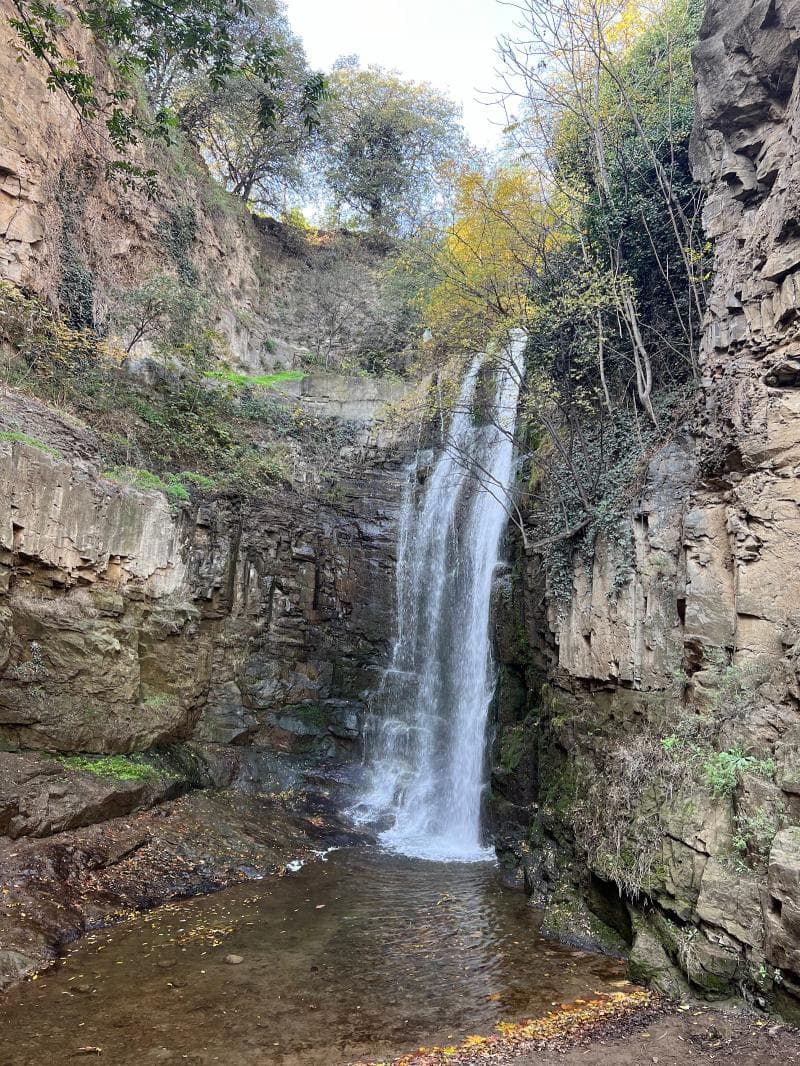
Discover the rare plant collections at Tbilisi Botanical Garden in Tbilisi, Georgia, showcasing unique native and global species. Explore biodiversity and conservation efforts.
Overview
Nestled in the historical heart of Tbilisi, the National Botanical Garden of Georgia serves as a verdant sanctuary, renowned for its extensive and diverse flora. Spanning over 161 to 165 hectares, this sprawling green expanse is home to an impressive collection of over 4,500 species and taxonomic groups of plants from across the globe. Among these are invaluable rare plant collections, a testament to the garden's dedication to botanical research and conservation. It offers a tranquil escape from the urban bustle, inviting visitors to immerse themselves in a world where nature's beauty and scientific preservation intertwine.
History & Cultural Background
The roots of the Tbilisi Botanical Garden stretch back centuries, far beyond its formal establishment. Its predecessor, a royal garden, existed as early as the 17th century, noted by travelers like Jean Chardin in 1672 and Joseph Pitton de Tournefort in 1701 for its ornamental and medicinal plants. This ancient garden played a crucial role, reflecting the region's rich botanical heritage. In 1845, it was officially designated as the Tiflis Botanical Garden, marking a new era of scientific endeavor. Over time, the garden evolved into a leading research institution, expanding its collections significantly. During the Soviet era, it was a major center for studying Caucasian flora, acclimatizing plants from other regions, and breeding new varieties. Its strategic location within the Tsavkisistskali gorge, nestled between the Narikala Fortress and the historic Abanotubani sulfur baths, also highlights its deep connection to Tbilisi's cultural landscape.
What Makes It Special
The 'Rare Plant Collections' within the Tbilisi Botanical Garden are not confined to a single, labeled section, but rather represent a fundamental aspect of the entire garden's mission and ecological richness. The garden acts as a vital genetic repository for rare and endangered plant species, showcasing its profound commitment to conservation. Visitors will discover a wide array of unique flora, including many rare and endemic species from the Caucasus region itself, alongside botanical treasures from the Himalayas, China, Japan, North America, and other parts of the world. Key areas and features contribute to these collections, such as the 'Garden of Georgian Flora', which proudly displays local plants adapted to the country's diverse climates. The garden also cultivates medicinal herbs in its 'Apothecary Garden', a nod to its historical use as a source of healing plants. A truly unique spot is the 'Alley of Forgotten Fruits', dedicated to rare varieties of fruit trees, a collaborative project honoring a renowned Italian playwright. The presence of specific rare species, some endemic to Georgia or the broader Caucasus region, underscores the garden's significance in global biodiversity efforts. Many of Georgia's 4,400 vascular plant species are considered at risk, with the garden playing a crucial role in their preservation and study.
Stories, Fun Facts & Local Details
Imagine wandering through paths once part of ancient trade routes, including the Silk Road, which connected Tbilisi with distant lands. The garden's landscape itself holds remnants of history, such as old water pipelines and Queen Tamar's bridge, offering a glimpse into bygone eras. A delightful find is the Japanese Garden, featuring authentic plants, including sakura (cherry blossoms) that create a spectacular display in spring, inviting meditation and relaxation. During the summer, the garden hosts a popular ice cream festival, while winter brings the New Year's Chocolate Festival, blending natural beauty with local festivities. It's a place where the grandeur of ancient trees and the delicate beauty of endemic species coexist, providing a peaceful retreat that feels surprisingly remote despite its central city location.
Visitor Perspective
Exploring the diverse rare plant collections of the Tbilisi Botanical Garden is an experience of gentle discovery. The pathways invite leisurely strolls, leading visitors through varied landscapes from lush groves to serene ponds. Each turn offers new botanical wonders, from the aromatic Lilac Garden when in bloom to the unique bamboo alley creating a green tunnel. It's an opportunity to connect with nature's resilience and diversity, appreciating the meticulous efforts behind preserving these invaluable species. The garden offers not just visual splendor but also a sense of tranquility and an educational journey into the world of botany and conservation.
Coordinates: 44.80283, 41.68583
View on Google Maps💬 How Travelers Describe This Place
Based on community votes
Unique
897Must See
695Beautiful
605Interesting
498Photogenic
481
Traveler Stories
Discover memorable experiences shared by travelers who have visited this place.
No traveler stories yet.
Be the first traveler to share what made this place memorable.

Tour
By
Spot
Discover amazing places around the world. Your journey starts here.
Explore
© 2026 TourBySpot. All rights reserved.