Narikala Access Route
Tbilisi, Georgia
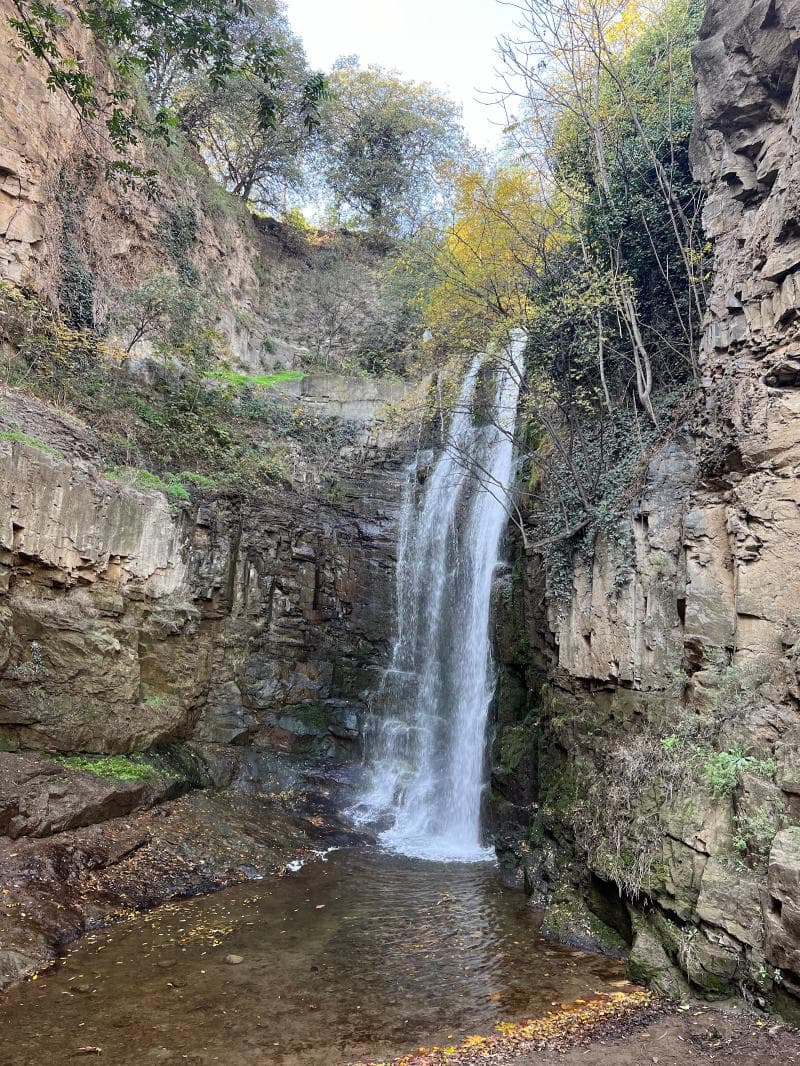
Explore the historic Narikala Access Route in Tbilisi, Georgia, connecting the ancient Narikala Fortress with the lush Tbilisi Botanical Garden.
Overview
The Narikala Access Route refers to the scenic and historically rich pathways that connect the ancient Narikala Fortress with the sprawling Tbilisi Botanical Garden in Tbilisi, Georgia. Perched dramatically above the Old Town, Narikala Fortress stands as a silent sentinel, while the Botanical Garden offers a verdant escape in the valley below. This route is not a single, defined path but rather a collection of interconnected trails, including walking ascents from the Old Town, paths around the fortress, and the direct entry points into the botanical garden from the fortress area. It provides a unique opportunity to immerse oneself in Tbilisi's layered history and vibrant natural beauty, offering breathtaking panoramic views of the city and the Mtkvari River.
Visitors can choose various ways to experience this area, from the exhilarating cable car ride ascending to the fortress from Rike Park, to meandering footpaths that weave through historic districts and into the tranquil gardens. The journey along these routes is a discovery of contrasts: the formidable stone walls of the fortress giving way to the lush, diverse flora of the garden, all against the backdrop of one of Europe's most captivating cities.
History & Cultural Background
The history of this area is deeply intertwined with the very foundation and defense of Tbilisi. Narikala Fortress, often called 'the heart and soul of Tbilisi,' dates back to the 4th century AD, when it was established as a Persian citadel. Over centuries, it underwent numerous expansions and transformations under various rulers, including Arab emirs in the 7th and 8th centuries and later Georgian kings like David the Builder. Known historically by names such as 'Shuris-tsikhe' (the Rival Fortress) and 'Dedatsikhe' (the Mother Fortress), its strategic location allowed it to control crucial trade routes, including parts of the ancient Silk Road. The fortress sustained significant damage in 1827, likely from a massive gunpowder explosion or an earthquake, resulting in the romantic ruins visible today.
Adjacent to this historical stronghold lies the National Botanical Garden of Georgia, whose origins can be traced to royal gardens from the early 17th century. These royal grounds, noted by European travelers like Jean Chardin, were formally established as the Tbilisi Botanical Garden in 1845. The garden has grown significantly since then, covering 161 hectares and housing over 4,500 plant species, a testament to centuries of botanical preservation and study.
What Makes It Special
What makes the Narikala Access Route truly special is the unparalleled blend of ancient history, dramatic architecture, and serene natural beauty it offers. As travelers traverse these paths, they are treated to some of the most iconic views of Tbilisi. From the fortress walls, the entire panorama of the Old Town unfolds below, featuring the distinct domed roofs of the Abanotubani sulfur baths, the intricate carved balconies of Sololaki, the modern elegance of the Peace Bridge, and the meandering Mtkvari River.
The journey itself is an experience, transitioning from the rugged, fortified landscape of Narikala to the lush, peaceful environment of the Botanical Garden. Within the garden, highlights include picturesque waterfalls, such as the Tsavkisistskali Waterfall, and specialty areas like the Japanese Garden, offering moments of quiet contemplation amidst diverse flora. This symbiotic relationship between a historic landmark and a natural sanctuary provides a rich, multi-sensory exploration unique to Tbilisi.
Stories, Fun Facts & Local Details
One of the most enduring symbols of Tbilisi, the Mother of Georgia (Kartlis Deda) statue, stands prominently on the ridge near Narikala. Erected in 1958, this monumental aluminum figure embodies the Georgian national character: her right hand holds a bowl of wine to welcome guests as friends, while her left grasps a sword to meet enemies. This dual symbolism beautifully captures the country's legendary hospitality paired with its fierce independence.
For those seeking an adventurous twist, a zipline experience begins from near Narikala Fortress and whisks visitors over the Tsavkisistskali River Valley, landing directly in the Botanical Garden. It's a thrilling way to witness the changing landscape from fortress to garden. The cable car ride, a popular way to reach Narikala, offers not only convenience but also glass-bottomed cabins, providing spectacular aerial views of the city below during the short, scenic ascent.
Visitor Perspective
Experiencing the Narikala Access Route is an essential part of any visit to Tbilisi. Travelers have several options for navigating this unique landscape. Many recommend taking the cable car from Rike Park up to Narikala Fortress for panoramic views, and then descending on foot. This allows for exploration of the fortress grounds, a visit to the Mother of Georgia statue, and then a leisurely walk into the Botanical Garden, eventually leading down to the historic Abanotubani district.
Walking routes from the Old Town, particularly those through Abanotubani, are often described as atmospheric, albeit steep. While Narikala Fortress is generally open 24/7 with free entry, the Botanical Garden has a modest entrance fee. Given the hilly terrain and sometimes uneven paths, comfortable walking shoes are highly recommended to fully enjoy the journey through this remarkable historical and natural expanse. The route offers a peaceful respite from the city's bustle, inviting visitors to connect with Tbilisi's enduring spirit.
Coordinates: 44.7929, 41.7099
View on Google Maps💬 How Travelers Describe This Place
Based on community votes
Must See
799Photogenic
539Unique
424Interesting
234Beautiful
30
Traveler Stories
Discover memorable experiences shared by travelers who have visited this place.
No traveler stories yet.
Be the first traveler to share what made this place memorable.

Tour
By
Spot
Discover amazing places around the world. Your journey starts here.
Explore
© 2026 TourBySpot. All rights reserved.