Seurasaari Open-Air Museum
Helsinki, Finland
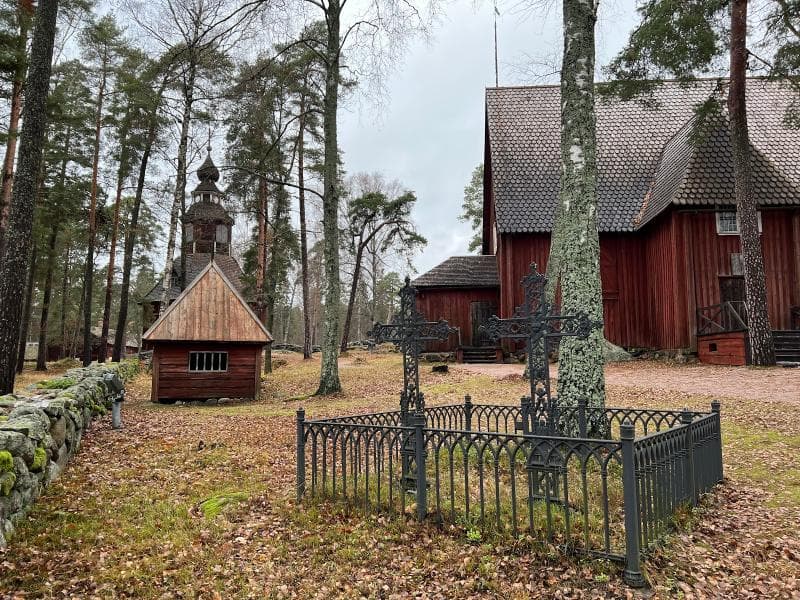
Explore Seurasaari Open-Air Museum in Helsinki, Finland. Discover traditional Finnish rural life, historic buildings, and cultural heritage on a beautiful island.
Overview
Nestled on a picturesque island in Helsinki, Finland, the Seurasaari Open-Air Museum offers a captivating journey back in time, showcasing traditional Finnish rural life from the 18th to the 20th centuries. Often referred to as 'rural Finland in miniature,' this unique museum gathers over 80 authentic wooden buildings from various regions across the country, each meticulously relocated and preserved on the island.
Seurasaari island itself serves as a public park, providing a tranquil escape from the bustling city center, accessible year-round via a pedestrian bridge. While the island's natural beauty and recreational opportunities are free to enjoy throughout the year, the museum's historical buildings are open seasonally, typically from mid-May to mid-September.
History & Cultural Background
The Seurasaari Open-Air Museum was founded in 1909 by ethnographer Professor Axel Olai Heikel. Its establishment coincided with a period of Romantic nationalism in Finland, when the country was part of the Russian Empire. The museum's core mission was to preserve and present the rich tapestry of Finnish folk history and traditional ways of life for future generations.
The city of Helsinki acquired the island in the 1870s, initially using it for cattle grazing. By 1889, it had transformed into a folk park, offering Helsinki residents a pleasant recreational area. The idea of an open-air museum, inspired by similar initiatives in other Scandinavian countries, soon took root, leading to the museum's official opening. The buildings, representing diverse architectural styles and functions from different provinces, were carefully dismantled, transported to Seurasaari, and reassembled, creating a living exhibition of Finland's past.
What Makes It Special
What truly sets the Seurasaari Open-Air Museum apart is its extensive and diverse collection of relocated structures. Visitors can explore everything from humble crofts and grand manors to historic churches, working windmills, and even a unique tar boat from Oulu. These 80-plus buildings offer a comprehensive look at the daily lives, work, and traditions of rural Finns through several centuries.
The museum's island setting enhances the experience, allowing visitors to immerse themselves in a serene, natural environment that complements the historical exhibits. It's a place where you can wander through forested paths, discover traditional Finnish craftsmanship, and gain a hands-on appreciation for the country's heritage.
Moreover, the island is famed for its spectacular Midsummer (Juhannus) celebrations, when a colossal bonfire is built on a small isle just offshore and ignited by a newlywed couple. This ancient pagan tradition draws thousands of locals and tourists alike, creating an unforgettable cultural spectacle.
Stories, Fun Facts & Local Details
One of the most delightful aspects of Seurasaari is its famously tame wildlife. The island is home to numerous bird species, as well as red squirrels and hares. The squirrels, in particular, have become quite accustomed to human presence and are often seen interacting with visitors, thanks to years of gentle feeding.
Among the many fascinating structures, the Niemelä tenant farm stands out as the museum's oldest building group, originally from Konginkangas in Central Finland, featuring a smoke sauna dating back to the 1790s. The Ivars farmstead, built in 1764, holds a royal anecdote: an elegant porch was added to it specifically for the visit of Tsar Alexander I in 1819. You can also see examples of tar boats, which were crucial for Finland's main export in the 1700s.
A more contemporary local detail involves former Finnish President Urho Kekkonen. An avid outdoorsman, Kekkonen would often jog on Seurasaari, and his route included a set of 'fitness stairs' which he would attempt to leap up in a single bound, a testament to his athletic prowess.
Visitor Perspective
Visiting the Seurasaari Open-Air Museum is an immersive experience that transports you away from modern life. The island is easily accessible from central Helsinki; bus number 24 provides a convenient connection, bringing you directly to the pedestrian bridge leading to the island. While the island park itself is always free to explore, entry to the museum's buildings during the operating season requires a ticket.
The best time to experience Seurasaari is during the spring and summer months (mid-May to mid-September), when the museum buildings are open, and the island's nature is in full bloom. Plan for a visit lasting 2 to 4 hours to comfortably explore the buildings, enjoy the scenic paths, and perhaps stop at one of the on-site cafes. Guided tours, often available daily in English, offer deeper insights into Finnish rural life. Remember to wear comfortable walking shoes, as you'll be traversing natural trails and uneven terrain.
Coordinates: 24.884032825561775, 60.18146540715844
View on Google Maps💬 How Travelers Describe This Place
Based on community votes
Photogenic
846Must See
564Beautiful
201Unique
121Interesting
87
Traveler Stories
Discover memorable experiences shared by travelers who have visited this place.
No traveler stories yet.
Be the first traveler to share what made this place memorable.
Things to see at Seurasaari Open-Air Museum



Tour
By
Spot
Discover amazing places around the world. Your journey starts here.
Explore
© 2026 TourBySpot. All rights reserved.