Folk Dance Areas
Helsinki, Finland
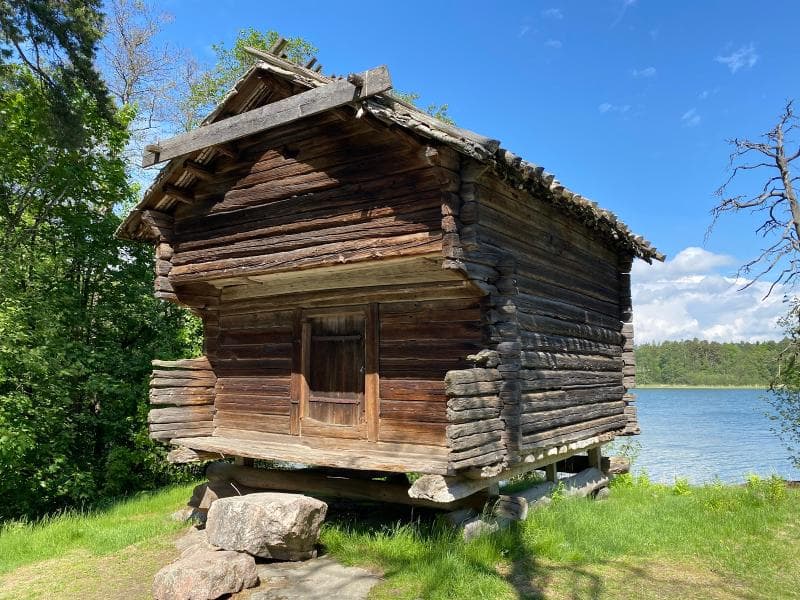
Discover the vibrant Folk Dance Areas at Seurasaari Open-Air Museum in Helsinki, Finland. Experience authentic Finnish traditions, lively performances, and rich cultural heritage.
Overview
Nestled on a serene island just a short distance from Helsinki's bustling city center, the Seurasaari Open-Air Museum offers a captivating journey into Finland's rich cultural past. Among its many authentic exhibits, the 'Folk Dance Areas' stand out as vibrant spaces where the spirit of Finnish tradition comes alive through music and movement. This enchanting open-air museum, a verdant escape, showcases historical wooden buildings meticulously relocated from across Finland, providing a living tableau of rural life from the 17th to the 20th centuries. The folk dance areas are not merely performance stages; they are focal points where age-old customs, communal joy, and the artistry of Finnish folk dance are passionately preserved and shared with curious travelers from around the world.
Visitors to Seurasaari can expect an immersive experience, encountering skilled dancers often adorned in colorful national costumes, performing traditional Finnish dances that tell stories of everyday life, celebrations, and community bonds. These dedicated spaces ensure that the energetic rhythms and intricate steps of Finland's dance heritage continue to resonate, offering a unique window into the nation's soul.
History & Cultural Background
The history of Seurasaari Island as a cultural and recreational hub dates back to the late 19th century. In 1889, the island, then known as Fölis, was established as a folk park by the City of Helsinki, a popular destination for locals seeking respite and entertainment. The Open-Air Museum itself was founded in 1909 by Professor Axel Olai Heikel, driven by a vision to safeguard Finland's disappearing wooden architectural heritage and traditional way of life.
Early developments on the island included the construction of amenities to support its role as a public park, such as pathways, a restaurant, and notably, two dance halls. These halls underscore the long-standing importance of dance as a social and cultural activity in Finland. Finnish folk dance, deeply rooted in the country's agrarian past, served as a vital form of expression and entertainment. It traditionally marked seasonal changes, harvests, weddings, and other significant community gatherings. Dances like Jenkka, Humppa, Polkka, and Schottische, often accompanied by lively accordion and fiddle music, were integral to communal life, fostering togetherness and preserving regional identities.
The museum's folk dance areas carry forward this rich legacy, presenting performances that reflect centuries of Finnish traditions. By hosting these events, Seurasaari ensures that the cultural narratives embedded in each step and melody are not forgotten but are actively experienced and appreciated by new generations.
What Makes It Special
The folk dance areas at Seurasaari Open-Air Museum are special because they offer more than just a performance; they provide an authentic encounter with Finnish cultural heritage in its natural, historical setting. The primary location for many of these vibrant displays is often Antti Square, or the Antti Event Grounds, a central area within the museum that buzzes with activity during cultural events.
What truly sets these areas apart is the commitment to authenticity. Performers, often members of local folk dance groups from across the Helsinki metropolitan area, are meticulously dressed in traditional national costumes that vary by region, reflecting the diverse folk history of Finland. These costumes are not mere adornments but are historical artifacts in themselves, each stitch and pattern telling a story of past lives and craftsmanship. The dances themselves, from the fast-paced Jenkka with its hopping steps to the lively Humppa, are performed with an energy that is infectious, transforming visitors from passive observers into captivated participants in a living tradition.
The open-air setting, surrounded by the museum's historic farmsteads, cottages, and the island's serene nature, adds an unparalleled layer of atmosphere. It creates a sense of stepping back in time, where the boundaries between past and present blur, and the echoes of centuries-old celebrations feel remarkably real. This dedication to presenting folk dance within its historical context makes it a profoundly moving and educational experience.
Stories, Fun Facts & Local Details
One of the most celebrated times to experience folk dance at Seurasaari is during the Midsummer festivities. This annual event is a highlight of the Finnish summer, drawing thousands to the island to partake in traditional celebrations, including bonfires, music, and abundant folk dancing. The sight of dancers in traditional attire, performing against the backdrop of the long, bright Nordic summer night, is truly magical and embodies the deep connection Finns have to their traditions.
Helsinki Day also sees lively folk dance performances at Antti Square, with various groups participating, showcasing a spectrum of Finnish folk dance traditions. These events often draw inspiration from themes like 'Strength from Our Roots,' emphasizing the cultural significance of the performances. It's a wonderful opportunity to witness the communal spirit of these dances, where the joy of movement and music is shared openly.
Historically, the island's early development included two specific dance halls, highlighting how deeply ingrained social dancing was in the recreational life of Helsinki's inhabitants. While these specific structures might have evolved, their legacy lives on in the designated areas where today's folk dancers continue the tradition. Fun fact: Finnish folk dance is not just about precise steps; it's also about the spirit of improvisation and the interaction between dancers and musicians, often inspiring each other in a spontaneous cultural dialogue.
Visitor Perspective
For the curious traveler, visiting the Folk Dance Areas within the Seurasaari Open-Air Museum offers a deeply enriching cultural encounter. Imagine wandering through the peaceful paths of the museum, discovering centuries-old farmsteads, and then suddenly being drawn by the lively strains of a fiddle and the rhythmic beat of feet. You'll find yourself amidst a performance where history is not just displayed but danced.
The experience is often interactive; while formal performances by groups like Tanhu-Visa or Virvatuli are captivating to watch, the atmosphere during larger festivals like Midsummer often encourages visitors to join in simpler dances or simply revel in the communal joy. The chance to see Finnish folk dance performed in its authentic cultural context, on an island dedicated to preserving Finnish rural life, is truly unforgettable. It's a place where you can feel the pulse of Finnish heritage, appreciate the dedication of those keeping these traditions alive, and perhaps even feel the urge to tap your feet to the spirited melodies. The Folk Dance Areas at Seurasaari provide a poignant reminder of the enduring beauty and vitality of Finnish folk culture.
Coordinates: 24.88475, 60.18123
View on Google Maps💬 How Travelers Describe This Place
Based on community votes
Interesting
494Must See
242Photogenic
193Unique
125Beautiful
82
Traveler Stories
Discover memorable experiences shared by travelers who have visited this place.
No traveler stories yet.
Be the first traveler to share what made this place memorable.

Tour
By
Spot
Discover amazing places around the world. Your journey starts here.
Explore
© 2026 TourBySpot. All rights reserved.